February 5, 2012
 Florida Mold Information On Health Department Website
Mold is a fungi that travels through the air as tiny spores, and can grow and spread quickly under wet conditions.
Mold can irritates the eyes, nose and throat and can cause serious reactions and respiratory problems.
The Florida Health Department offers detailed information about mold cleanup on its website at www.healthvermont.gov. Including detailed instructions for cleaning homes, yards and properties, disinfecting and testing drinking water, and food safety.
• John P. Lapotaire, CIEC
• Certified Indoor Environmental Consultant
• Microshield Environmental Services, LLC
• www.Microshield-ES.com
Share this with the #IAQS:
 Leave a Comment » |
  Residential IAQ | Tagged: air quality, ASTM, Chapter 468, ciec, Department of Business and Professional Regulation, Florida DBPR, Florida Statutes, HB 4171, HB 5005, HB 5007, healthy home, House Bill 713, IEQ 3.2, IESO, indoor air quality, Indoor Environmental Standard Organization, john lapotaire, John P. Lapotaire, LEED, microshield, mold, mold inspection, mold pretreatment, mold prevention, mold remediation, mold removal, mold testing, Mold-Related Services Licensing Program, new home mold, Part XVI, PCB BCAS 11-01, Residential Mold Assessment, SB 1244, Senate Bill 2234, USGBC |
  Permalink
 Posted by John P. Lapotaire, CIEC
February 5, 2012
Symptoms Of Florida Household Mold Exposure
Exposure to mold in central florida and orlando area homes has several symptoms. Mold can cause serious problems in many people.
Here are the More Common Symptoms:
- Skin Rash – You can develop redness in your skin simply from inhaling the fumes from the mold.
- Eye Irritation – Mold can cause both redness and watering of the eyes.
- Headaches – Breathing in mold can cause headaches in some people. This is especially true of people who suffer with migraines.
- Feeling Tired – Feeling tired for several days in a row
- Sore Throat – Experiencing a raw feeling when swallowing or hoarseness when speaking
- Shortness of Breath -Breathing in mold spores can cause respiratory difficulties in some people
- Runny Noses – If you are constantly reaching for a tissue to catch your runny nose this can also be a strong symptom of mold exposure.
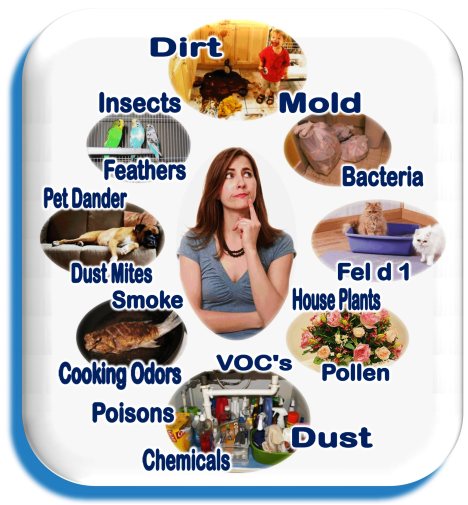
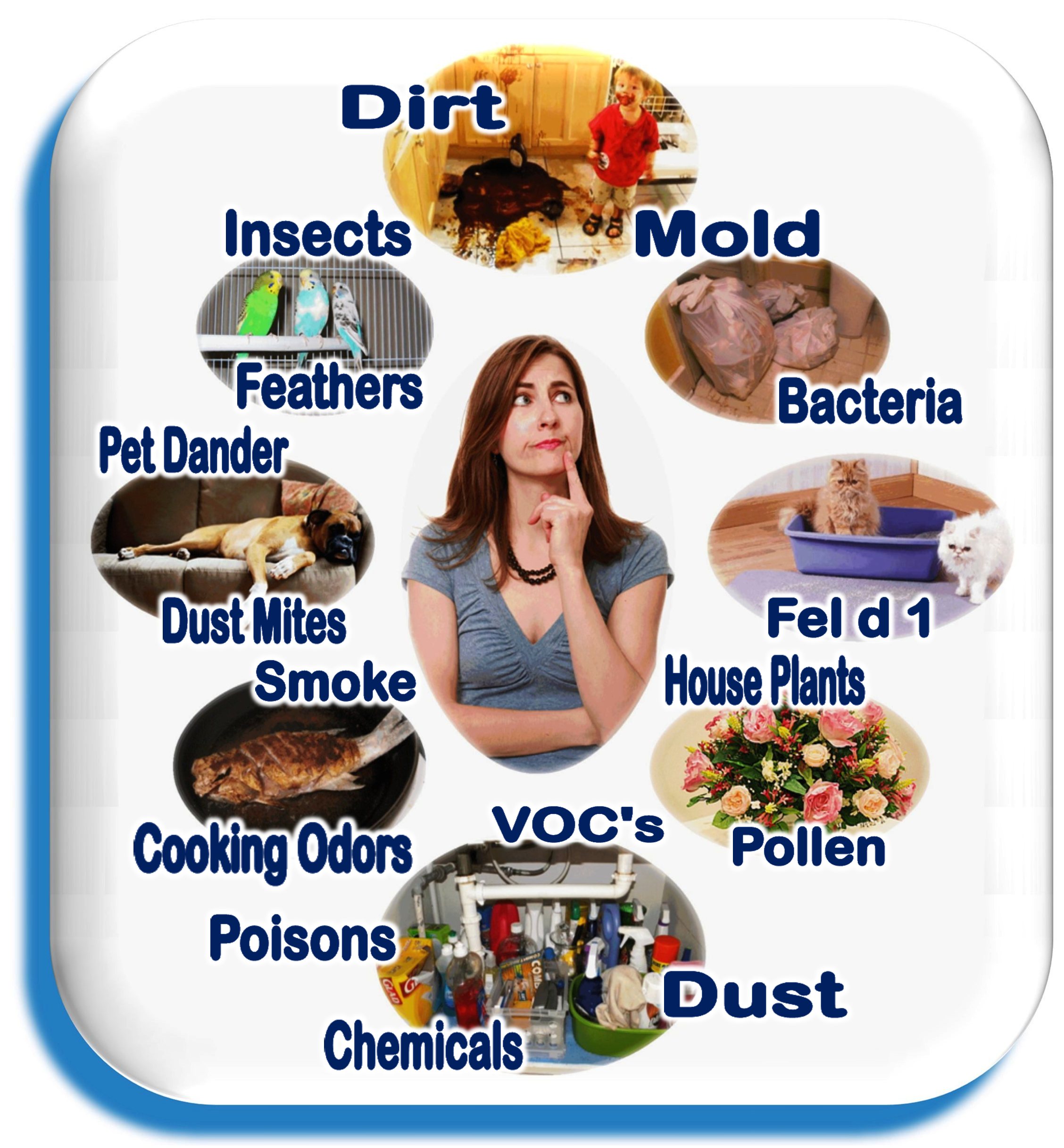
Microshield IAQ Whats In The Air you Breathe
• John P. Lapotaire, CIEC
• Certified Indoor Environmental Consultant
• Microshield Environmental Services, LLC
• www.Microshield-ES.com
Share this with the #IAQS:
Leave a Comment » | Residential IAQ | Tagged: air quality, ASTM, Chapter 468, ciec, Department of Business and Professional Regulation, Florida DBPR, Florida Statutes, HB 4171, HB 5005, HB 5007, healthy home, House Bill 713, IEQ 3.2, IESO, indoor air quality, Indoor Environmental Standard Organization, john lapotaire, John P. Lapotaire, LEED, microshield, mold, mold inspection, mold pretreatment, mold prevention, mold remediation, mold removal, mold testing, Mold-Related Services Licensing Program, new home mold, Part XVI, PCB BCAS 11-01, Residential Mold Assessment, SB 1244, Senate Bill 2234, USGBC | Permalink
Posted by John P. Lapotaire, CIEC
January 13, 2012
 By: Monica McNeal | WSAV-TV
Published: January 07, 2012
Winter is a tough time for children with asthma. As the temperature drops and kids are more exposed to colds and flu germs at school, the opportunity for asthma to be triggered greatly increases.
According to the Journal of Alllergy and Clinical Immunology. Three ways winter is tough on kids with asthma and their families: kids are indoors and exposed to more germs and pollutants, kids with asthma miss more school in the colder months, and last there are more emergency room visits from asthma suffers.
Doctors say that the key to a successful episode-free winter is symptom control. They suggest to minimize exposure to triggers and to become more vigilant about taking asthma medications. But asthma triggers are not completely within the sufferer’s control. Even when a parent is diligent about germ control-like getting everyone in the household flu shots, and being careful about environmental irritants such as using low allergy cleansers and household products; doctors strongly recommend being especially diligent about sticking to prescribed medication regimens.
Share this with the #IAQS:
Leave a Comment » | Residential IAQ | Tagged: air quality, ASTM, Chapter 468, ciec, Department of Business and Professional Regulation, Florida DBPR, Florida Statutes, HB 4171, HB 5005, HB 5007, healthy home, House Bill 713, IEQ 3.2, IESO, indoor air quality, Indoor Environmental Standard Organization, john lapotaire, John P. Lapotaire, LEED, microshield, mold, mold inspection, mold pretreatment, mold prevention, mold remediation, mold removal, mold testing, Mold-Related Services Licensing Program, new home mold, Part XVI, PCB BCAS 11-01, Residential Mold Assessment, SB 1244, Senate Bill 2234, USGBC | Permalink
Posted by John P. Lapotaire, CIEC
January 13, 2012
 IAQA 15th ANNUAL MEETING & INDOOR AIR EXPO: MARCH 5-7 IN LAS VEGAS
Register by January 31st and Save $50!
The Technical Committee is excited about the high quality of the presentations selected for the program this year. The most important objective of the technical committee this year was to bring ever stronger presenters and more solid presentations to the conference. A major theme throughout the program is to clearly cite the science underpinning our practices – or to acknowledge where there are gaps in the science. List of speakers and sessions available here. Full conference details and online registration at www.iaqa.org/expo
Share this with the #IAQS:
Leave a Comment » | Commercial IAQ, Residential IAQ | Tagged: air quality, ASTM, Chapter 468, ciec, Department of Business and Professional Regulation, Florida DBPR, Florida Statutes, HB 4171, HB 5005, HB 5007, healthy home, House Bill 713, IEQ 3.2, IESO, indoor air quality, Indoor Environmental Standard Organization, john lapotaire, John P. Lapotaire, LEED, microshield, mold, mold inspection, mold pretreatment, mold prevention, mold remediation, mold removal, mold testing, Mold-Related Services Licensing Program, new home mold, Part XVI, PCB BCAS 11-01, Residential Mold Assessment, SB 1244, Senate Bill 2234, USGBC | Permalink
Posted by John P. Lapotaire, CIEC
November 25, 2011
 TITUSVILLE — It could cost as much as $200,000 to rid the Titusville Police Department Headquarters of mold. According to a city report, about 30 percent of the building has evidence of mold.
The Titusville City Council tonight will vote on a $200,000 budget amendment for the mold remediation project at the building at 1100 John Glenn Blvd.
Mold was discovered behind wallpaper in several offices in the building on Oct. 21, and the city has been working with private companies to correct the problem.
“We’re moving with a sense of urgency,” Titusville Support Services Director Tom Abbate said.
In a report prepared for tonight’s council meeting, Abbate said testing indicated that five offices at police headquarters “were found to have hazardous levels of mold” and 37 other offices “needed various lesser levels of mold remediation and renewal.”
“We’re erring on the side of caution,” Abbate said, in doing work in parts of the building that had what were considered nonhazardous levels of mold.
Abbate blames the mold in the 27-year-old, 40,000-square-foot building on water intrusion through the roof and windows of the building.
Abbate said environmental testing is complete, and the remediation is about half-done. Next, the city will hire a company to do repairs to the building, including replacing drywall, repainting and replacing carpeting. He hopes to have the work completed by early January.
In the meantime, some police staff members who worked in affected areas have temporarily moved to other parts of the building not affected by the mold issue.
In his report, Abbate said the council has no alternative but to approve funds for the project, saying: “Immediate remediation of existing mold and the timely return of the affected spaces to a safe, operating condition is essential to maintain the operational efficiency, and health and well-being of city employees.”
Titusville police and public works officials have deferred comment on the issue to Abbate, on direction of City Manager Mark Ryan.
In a previous prepared statement about the mold problem, issued Oct. 31, the police department said that “despite the challenges this represents, the building issues will not affect service levels” to the public, “and all operations will continue as we relocate employees temporarily.”
In that statement, Titusville Police Chief Tony Bollinger said, “Our concern, first and foremost, is the welfare of our employees.”
Abbate said, if the city council approves the plan, funding for the project will come from money previously budgeted as a match for a federal economic development grant the city sought, but that was not awarded.
Read More
Contact Berman at 321-360-1016 or dberman@floridatoday.com.
• John P. Lapotaire, CIEC
• Certified Indoor Environmental Consultant
• Microshield Environmental Services, LLC
• www.Microshield-ES.com
Share this with the #IAQS:
Leave a Comment » | Commercial IAQ, Residential IAQ | Tagged: air quality, ASTM, Chapter 468, ciec, Department of Business and Professional Regulation, Florida DBPR, Florida Statutes, HB 4171, HB 5005, HB 5007, healthy home, House Bill 713, IEQ 3.2, IESO, indoor air quality, Indoor Environmental Standard Organization, john lapotaire, John P. Lapotaire, LEED, microshield, mold, mold inspection, mold pretreatment, mold prevention, mold remediation, mold removal, mold testing, Mold-Related Services Licensing Program, new home mold, Part XVI, PCB BCAS 11-01, Residential Mold Assessment, SB 1244, Senate Bill 2234, USGBC | Permalink
Posted by John P. Lapotaire, CIEC
November 25, 2011
 What to look for in assessing indoor air quality and how to achieve a healthy level.
By Stephanie RogersWed, Nov 09 2011 at 1:56 PM EST
Your eyes are watering, your throat is dry and itchy, your head hurts and you’re finding it hard to breathe. If these symptoms last longer than the typical cold — and you don’t normally suffer from allergies — they may be signs of poor indoor air quality.
Whether at home or at work, persistent exposure to pollutants in the air can have serious effects on your health. How do you achieve healthy air quality? Here’s what to look for, and a few tips for cleaner, more breathable air.
Causes of poor indoor air quality
According to the
United States Environmental Protection Agency, poor indoor air quality is associated with illnesses like asthma, hypersensitivity pneumonitis, and what’s known as ‘humidifier fever.’ In addition to allergy-like symptoms, people who sit for hours in buildings with polluted air may experience unusual levels of fatigue, dizziness, nausea, irritability and forgetfulness. If symptoms of illness seem to abate when you leave your home or office, that’s a strong sign pointing to air quality issues.
There are many factors that detract from healthy air quality indoors. In poorly ventilated structures, pollutants like asbestos, formaldehyde and other volatile organic compounds can build up in the air. These toxic compounds are emitted by products like cleaning supplies, air fresheners, insulation, carpeting, adhesives, office equipment and hobby products. Pollutants resulting from combusting appliances like oil heaters, woodstoves and gas cookstoves, can also be retained indoors.
Improper ventilation not only prevents these pollutants from leaving the building, it can also introduce outdoor pollution like automobile exhaust, boiler emissions and fumes from dumpsters into the air inside due to poorly located air intake vents.
How to achieve healthy air quality
First and foremost, check your ventilation systems. Have a professional inspect and service your home’s HVAC system on a regular basis as well as any ventilation associated with appliances, including your chimney.
While having a tightly sealed home is great for conserving energy, you should ensure that the air within your home is refreshed on a regular basis. Use window or attic fans when weather permits, and install bathroom and kitchen ventilation fans to push potentially polluted air directly outdoors.
Limit pollutants inside your home by storing items like pesticides, paints and thinners, adhesives and fuels in a shed or garage. Choose non-toxic cleaning products and household items with no- or low-
VOCs including furniture, finishes, carpeting, bedding and drapery.
It’s also a good idea to grow an indoor garden.
House plants like ficus, bamboo palms, pothos and peace lilies actively work to strip pollutants out of the air. These plants will not only beautify your space and bring in a little of the outdoors, but act as a natural air filter.
If you live in an apartment, take steps to temporarily increase the ventilation indoors. Avoid blocking air supply vents, and open the windows every now and then to let in fresh air. Speak to your building management about following the
EPA‘s
Building Air Quality guidelines.
If your’e concerned about the air quality in your workplace, talk to your co-workers, supervisors and union representatives to see if others are experiencing similar adverse health effects and discuss possible solutions with your employers. If your building managers refuse to address the problem, you can call the National Institute for Occupational Safety and Health (1-800-35NIOSH) to learn about obtaining a health hazard evaluation of your workplace.
•
John P. Lapotaire, CIEC
• Certified Indoor Environmental Consultant
• Microshield Environmental Services, LLC
•
www.Microshield-ES.comShare this with the #IAQS:
Leave a Comment » | Commercial IAQ, Residential IAQ | Tagged: air quality, ASTM, Chapter 468, ciec, Department of Business and Professional Regulation, Florida DBPR, Florida Statutes, HB 4171, HB 5005, HB 5007, healthy home, House Bill 713, IEQ 3.2, IESO, indoor air quality, Indoor Environmental Standard Organization, john lapotaire, John P. Lapotaire, LEED, microshield, mold, mold inspection, mold pretreatment, mold prevention, mold remediation, mold removal, mold testing, Mold-Related Services Licensing Program, new home mold, Part XVI, PCB BCAS 11-01, Residential Mold Assessment, SB 1244, Senate Bill 2234, USGBC | Permalink
Posted by John P. Lapotaire, CIEC
November 25, 2011
 By Associated Press, Published: November 16
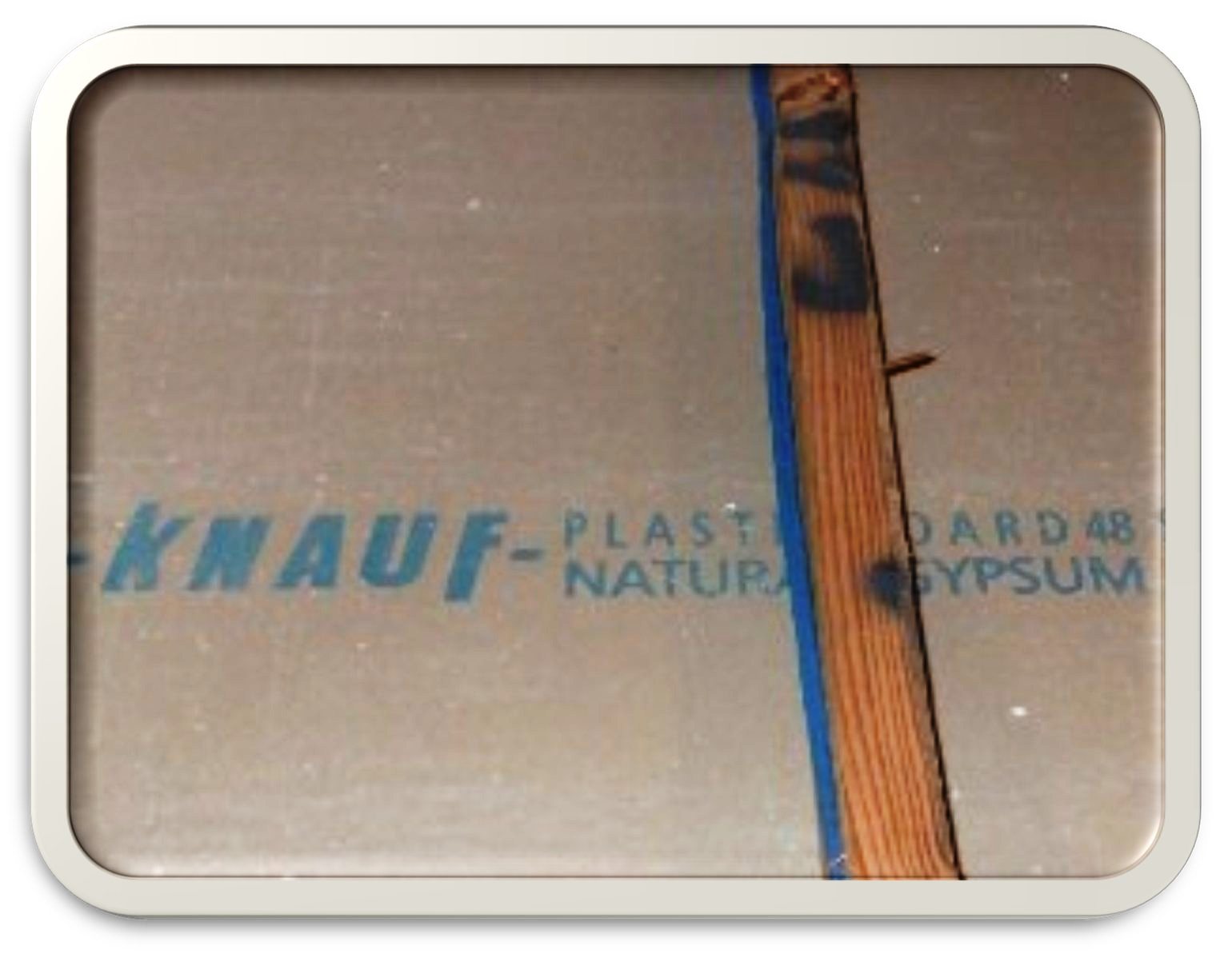
NEW ORLEANS — A settlement outlined Wednesday between a major manufacturer of Chinese-made drywall and homebuilders who used the tainted product in Florida, Texas, Louisiana and Mississippi could affect anywhere from 800 to 1,500 homes, attorneys said.
Lawyers called it a significant step toward resolving problems with some 10,000 buildings blamed on the drywall.
Read More
• John P. Lapotaire, CIEC
• Certified Indoor Environmental Consultant
• Microshield Environmental Services, LLC
• www.Microshield-ES.com
Share this with the #IAQS:
Leave a Comment » | Residential IAQ | Tagged: air quality, ASTM, Chapter 468, ciec, Department of Business and Professional Regulation, Florida DBPR, Florida Statutes, HB 4171, HB 5005, HB 5007, healthy home, House Bill 713, IEQ 3.2, IESO, indoor air quality, Indoor Environmental Standard Organization, john lapotaire, John P. Lapotaire, LEED, microshield, mold, mold inspection, mold pretreatment, mold prevention, mold remediation, mold removal, mold testing, Mold-Related Services Licensing Program, new home mold, Part XVI, PCB BCAS 11-01, Residential Mold Assessment, SB 1244, Senate Bill 2234, USGBC | Permalink
Posted by John P. Lapotaire, CIEC
November 14, 2011
 Specialty certification programs are a benefit to consumers and professionals alike.
Certifications with a narrow focus are the best way for professionals to explain their expertise to potential customers – and the best way for consumers to find experts who can help them. Specialty certifications give specific information about skills and experience that broad, industry-wide designations cannot duplicate.
Whether you are a professional or a consumer, look for specialty certifications that match your needs – you’ll be connected with the right people in no time!
Did you know?
All decisions to award an ACAC certification are made by unanimous agreement of a board of expert industry volunteers. No paid staff members participate in ACAC board-awarding decisions at any time. Currently, more than 100 industry experts serve on ACAC certification boards.
Charlie Wiles, executive director
Share this with the #IAQS:
Leave a Comment » | Commercial IAQ, Flood Information, Hurricane Information, Residential IAQ, Storm Damage Information | Tagged: air quality, ASTM, Chapter 468, ciec, Department of Business and Professional Regulation, Florida DBPR, Florida Statutes, HB 4171, HB 5005, HB 5007, healthy home, House Bill 713, IEQ 3.2, IESO, indoor air quality, Indoor Environmental Standard Organization, john lapotaire, John P. Lapotaire, LEED, microshield, mold, mold inspection, mold pretreatment, mold prevention, mold remediation, mold removal, mold testing, Mold-Related Services Licensing Program, new home mold, Part XVI, PCB BCAS 11-01, Residential Mold Assessment, SB 1244, Senate Bill 2234, USGBC | Permalink
Posted by John P. Lapotaire, CIEC
November 13, 2011
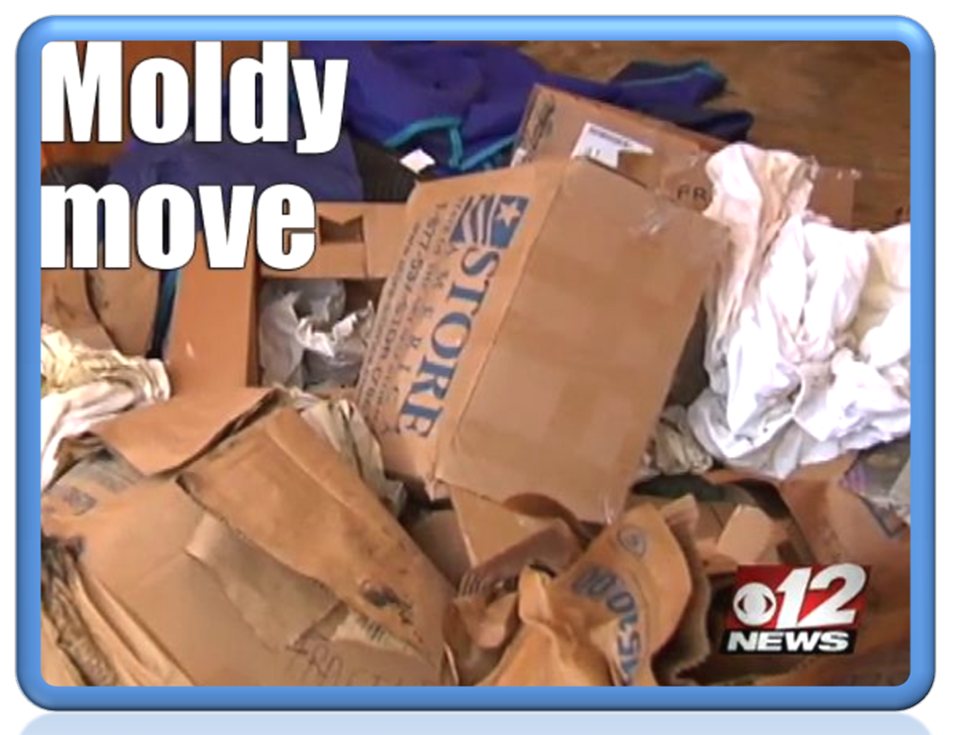
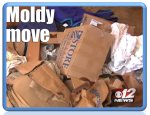 PALM BEACH GARDENS, Fla. — A woman who moved to our area from upstate New York recently has had quite a time. It has been a frustrating, agonizing experience. The reason? She used a PODS moving container, and somehow it developed some cracks in the roof, causing much of her stuff to get wet and moldy.
Kellie Tracy looked through some of her belongings covered in mold. It fills her garage in Palm Beach Gardens. Framed pictures of loved ones, moldy and water-damaged. Antique furniture with mold on it, box springs with mold damage. Family photos and snapshots that are stuck together. Things she can’t replace.
“These are my mothers day cards from my kids that are still wet!” said Kellie.
How did Kellie’s stuff get so moldy and water-damaged? She says a PODS moving container that she used when she moved from Oneida, New York to South Florida somehow got damaged while in transit or in storage.
Cracks in the top of the PODS container, allowed moisture to seep in and soak all of her belongings. She didn’t realize there was a problem until the PODS container was delivered to her new address in Palm Beach Gardens last week.
“My boxes were soaking wet, slimy, black. It was disgusting, I mean it was disgusting,” said Kellie.
Clothing, flat screen TV’s, photos, pillows, antique furniture. Mold on almost al of it. Belongings she acquired over a lifetime, ruined in a few months.
“There’s tons and tons of black mold. That I have literally fished out of boxes trying to salvage you know just a few of my personal things. There’s tons and tons of stuff that I have just thrown away,” said Kellie.
She never dreamed a move could turn out so bad.
“My pictures are priceless. So there is no money that is going to bring back my children’s pictures and the memories that those pictures held for me. It’s sad!” said kellie.
Kellie told us that at first she had trouble getting anyone with PODS to return her calls or deal with the situation. However, they have refunded the nearly $3,000 she paid to rent the container, store it and ship it to Florida.
PODS sent us this statement:
“We extend our most sincere apology to Ms. Tracy. This was a very unfortunate and isolated occurrence and we will continue to work with Ms. Tracy towards an amicable and expeditious resolution.” Dwayne Van Horne, PODS
Kellie says PODS sent a representative and an insurance adjustor out to inspect her belongings and try to place a value on what she has lost. She says she hopes to find out in a week or two how much they will pay to reimburse her.
Read more: http://www.cbs12.com/articles/problems-4736651–.html#ixzz1dbsAJZKO
• John P. Lapotaire, CIEC
• Certified Indoor Environmental Consultant
• Microshield Environmental Services, LLC
• www.Microshield-ES.com
Share this with the #IAQS:
Leave a Comment » | Residential IAQ | Tagged: air quality, ASTM, Chapter 468, ciec, Department of Business and Professional Regulation, Florida DBPR, Florida Statutes, HB 4171, HB 5005, HB 5007, healthy home, House Bill 713, IEQ 3.2, IESO, indoor air quality, Indoor Environmental Standard Organization, john lapotaire, John P. Lapotaire, LEED, microshield, mold, mold inspection, mold pretreatment, mold prevention, mold remediation, mold removal, mold testing, Mold-Related Services Licensing Program, new home mold, Part XVI, PCB BCAS 11-01, Residential Mold Assessment, SB 1244, Senate Bill 2234, USGBC | Permalink
Posted by John P. Lapotaire, CIEC
November 13, 2011
 TALLAHASSEE — An analysis of Florida’s hurricane insurance system shows that reform to the Florida Hurricane Catastrophe Fund (FHCF) is necessary, but the impacts on the system as a whole must be understood before action is taken, according to Risk & Reform, a report released today by Florida TaxWatch, the nonpartisan, nonprofit, research institute and government watchdog.
The report examines the financing of the hurricane insurance system and analyzes existing proposals to modify the FHCF to determine the costs and benefits of these proposals and their effects onother components of the system.
“Florida’s property insurance system is broken and reforms are clearly needed to promote a functioning market that will encourage private insurers to return to Florida and reduce taxpayer liability,” said Dominic M. Calabro, president and CEO of Florida TaxWatch. “It is especially important that the state-run entities, Citizens Property Insurance Corporation (CPIC) and the Florida Hurricane Catastrophe Fund, which are designed to protect Floridians from the financial impacts of a hurricane destroying their home, are reformed before the next major storm makes landfall.”
The report outlines the interrelated parts of the system, examines how they are financed, and details the substantial exposure of CPIC and the current concentration of risk. Most importantly, while others have simply called for reform, this Florida TaxWatch report quantitatively analyzes several proposals for reforming the FHCF.
The report finds that currently proposed reforms will reduce the probability, frequency, and amount of potential FHCF assessments on the businesses, consumers, charities, auto owners and others who ultimately pay the FHCF Emergency Assessments, but will increase premiums.
According to the analysis, different reform proposals come with different costs and benefits. All of the reform proposals analyzed in this report would reduce the probability of Emergency Assessments from the FHCF, which would affect nearly all Floridians, but each shows an estimated increase in policy cost for the median policy owner. One proposal would raise the median policyholder’s cost by an estimated $19.25 annually (representing the lowest increase of the proposals analyzed), while the proposal with the highest cost would increase the same policyholder’s cost by an estimated $173.04 annually.
The report also notes that any reduction in exposure for the FHCF via reform increases the net exposure to CPIC, private insurers and reinsurers, Florida Insurance Guaranty Association (FIGA), and the State of Florida. Some immediate legislative reform of the FHCF is necessary because the latest estimate of bonding capability of the FHCF indicates that it is $3.2 billion short of funding its statutory obligations. That means that unless the reforms are made, FHCF will be selling reinsurance to insurance companies that may be unable to meet all of their obligations.
Based on the analysis, Calabro noted, “It is clear that reform is needed, but it is vital that any reform proposals are carefully analyzed to clearly understand the effects on the other components of the insurance system.”
Click here to view this report: Risk & Reward
This report continues our ongoing look at Florida’s insurance systems. For previous research on this topic, please see the Florida TaxWatch April 2009 Special Report, “Florida’s Financial Exposure from Its ‘Self Insurance’ Programs,” available here.
• John P. Lapotaire, CIEC
• Certified Indoor Environmental Consultant
• Microshield Environmental Services, LLC
• www.Microshield-ES.com
Share this with the #IAQS:
Leave a Comment » | Commercial IAQ, Flood Information, Hurricane Information, Residential IAQ, Storm Damage Information | Tagged: air quality, ASTM, Chapter 468, ciec, Department of Business and Professional Regulation, Florida DBPR, Florida Statutes, HB 4171, HB 5005, HB 5007, healthy home, House Bill 713, IEQ 3.2, IESO, indoor air quality, Indoor Environmental Standard Organization, john lapotaire, John P. Lapotaire, LEED, microshield, mold, mold inspection, mold pretreatment, mold prevention, mold remediation, mold removal, mold testing, Mold-Related Services Licensing Program, new home mold, Part XVI, PCB BCAS 11-01, Residential Mold Assessment, SB 1244, Senate Bill 2234, USGBC | Permalink
Posted by John P. Lapotaire, CIEC
 Florida Mold Information On Health Department Website












 Indoor Air Quality Solutions, IAQS