February 20, 2012
 Former tenant says management failed to take action months ago
Greenville, SC —
www2.wspa.com Click for full story and video
UPDATE – POSTED 2/14/12
A former AHEPA tenant says management should have taken action last summer when she lodged several complaints about mold in her apartment.
Donna Lewis says she and her husband lived in the building for seven months in 2011. She says her asthma flared up constantly and both she and her husband suffered allergy and sinus problems after moving to the building in February 2011. She says she could see mold in their apartment and complained to the property manager on several occassions but no action was taken to investigate the problem.
“Two days before we moved out, they sent the maintenance man to scrape the mold off our window and vacuum the carpet, and that was it,” says Lewis.
She says many of her neighbors were also complaining of breathing problems and management should have done something long before now to protect them.
John Hayes, AHEPA’s attorney, says management responded appropriately once they had multiple complaints from several residents.
“If it was just one resident complaining last summer, (management) would have believed the mold problem was limited to that person’s apartment,” says Hayes.
He says AHEPA will refund the Lewis’ $546 security deposit. Lewis says she and her husband have not had any more respiratory problems after moving out of the AHEPA building in October.
ORIGINAL STORY – POSTED 2/10/12
A mold infestation has forced 27 senior citizens to evacuate their apartment building in Greenville. The group that manages the building also has two properties in Columbia that have mold.
AHEPA Apartments 242 is located on Woods Lake Drive. AHEPA is a non-profit organization that provides affordable housing for low-income and disabled seniors in 21 states, receiving funding from the US Department of Housing and Urban Development.
25 of the 48 units in Greenville were evacuated Thursday after an environmental testing firm detected “elevated levels of mold” in the 25 units, according to John Hayes, an attorney representing AHEPA. Hayes says some residents complained of allergies and asthma-like symptoms that could be caused by the mold. AHEPA has also partially evacuated two of its apartment buildings in Columbia because of mold.
“We believe it has to do with the way these buildings were built,” says Hayes, who specializes in construction law. “But we have to not only figure out what’s going on; we have to come up with a plan to fix it.”
He says the same general contractor and architect designed and constructed all three buildings. He says AHEPA has filed a lawsuit against the firms, declining to name them because of the pending litigation.
Hayes says the respiratory issues caused by the mold have not created any more serious health problems for the residents.
“I’ve had bad allergies and headaches,” says Caroline Yokim, one of the seniors who was evacuated. “But I’ve had allergies for a long time, so I can’t say for sure that it was caused by anything environmental here.”
The residents are now being housed at local hotels. Hayes says there is no timeframe on how long it might take to get the seniors back into their apartments.
“We still have to find the exact cause of the mold and fix it because if we don’t fix it, the mold will come back,” says Hayes.
He says an investigation of the two buildings in Columbia showed the structures were built without critical moisture-diversion material that is supposed to be placed between the exterior walls and the facade. The Greenville building will be investigated soon.
Environmental crews were busy Thursday de-contaminating the affected apartments and cleaning residents’ belongings.
• John P. Lapotaire, CIEC • Certified Indoor Environmental Consultant • Microshield Environmental Services, LLC • www.Microshield-ES.com
Share this with the #IAQS:
 Leave a Comment » |
  Residential IAQ | Tagged: air quality, ASTM, Chapter 468, ciec, Department of Business and Professional Regulation, Florida DBPR, Florida Statutes, HB 4171, HB 5005, HB 5007, healthy home, House Bill 713, IEQ 3.2, IESO, indoor air quality, Indoor Environmental Standard Organization, john lapotaire, John P. Lapotaire, LEED, microshield, mold, mold inspection, mold pretreatment, mold prevention, mold remediation, mold removal, mold testing, Mold-Related Services Licensing Program, new home mold, Part XVI, PCB BCAS 11-01, Residential Mold Assessment, SB 1244, Senate Bill 2234, USGB |
  Permalink
 Posted by John P. Lapotaire, CIEC
February 5, 2012
 MOLD in Orlando Homes can cause health problems.
Health Issues range from itching eyes, sneezing and coughing to serious allergic reactions, asthma attacks and even permanent lung damage.
And what many people do not know is that mold could be growing in their homes right now. I’ve gone into houses that are so neat and clean there’s not even a teacup out of place.
Then as I continue the visual mold inspection I find mold growing on the legs of the furniture. Mold in a house is most often found on walls, floors, ceilings, carpets and fabrics exposed to moisture, one particularly troublesome hiding place is inside the ductwork and associated components of central forced-air heating and air-conditioning systems.
You want to make sure the whole system is cleaned thoroughly.
Calling an Emergency Response Mold Remediation Company Is The Only the First Step To Take To Ensure Proper Measures are Taken.
You Need a Licensed Mold Assessor.
• John P. Lapotaire, CIEC • Certified Indoor Environmental Consultant • Microshield Environmental Services, LLC • www.Microshield-ES.com
Share this with the #IAQS:
Leave a Comment » | Commercial IAQ, Residential IAQ | Tagged: air quality, ASTM, Chapter 468, ciec, Department of Business and Professional Regulation, Florida DBPR, Florida Statutes, HB 4171, HB 5005, HB 5007, healthy home, House Bill 713, IEQ 3.2, IESO, indoor air quality, Indoor Environmental Standard Organization, john lapotaire, John P. Lapotaire, LEED, microshield, mold, mold inspection, mold pretreatment, mold prevention, mold remediation, mold removal, mold testing, Mold-Related Services Licensing Program, new home mold, Part XVI, PCB BCAS 11-01, Residential Mold Assessment, SB 1244, Senate Bill 2234, USGBC | Permalink
Posted by John P. Lapotaire, CIEC
February 5, 2012
 Mold Inspectors In Orlando and What You Should Know Before Hiring
Find out if the inspection can be done within a 48-hour time frame. If not, you’re better off hiring someone else since mold can spread very quickly.
Also, make sure that the mold inspector you’re intending to hire is both licensed and certified. While some states already have those requirements before they can practice, there are many states that still do not. In addition to being certified and licensed, you should ask the company inspecting your home for references from other clients.
Florida Requiers a Mold Assessment and a Mold Remediation License. Your Florida Mold Assessor cannot be your Mold Remediator, that would be a conflict of interest.
You should also make sure that there is a contract provided to insure that both you and the inspection company are in agreement with the work that is to be done.
The contract should also include an agreement to provide a written report that answers any questions you may have whether it be regarding the cause and origin or the visual assessment of the inspection for mold in the home.
In addition, your mold inspection should also consist of a moisture and leak test, an air quality test, humidity test and drainage test which can take anywhere from a few hours to a half a day to complete.
And finally, if the business you’ve chosen to inspect your home offers black mold removal services as well, you should be aware that mold inspectors and mold remediation are two separate businesses and any good inspector can tell you that.
• John P. Lapotaire, CIEC • Certified Indoor Environmental Consultant • Microshield Environmental Services, LLC • www.Microshield-ES.com
Share this with the #IAQS:
Leave a Comment » | Residential IAQ | Tagged: air quality, ASTM, Chapter 468, ciec, Department of Business and Professional Regulation, Florida DBPR, Florida Statutes, HB 4171, HB 5005, HB 5007, healthy home, House Bill 713, IEQ 3.2, IESO, indoor air quality, Indoor Environmental Standard Organization, john lapotaire, John P. Lapotaire, LEED, microshield, mold, mold inspection, mold pretreatment, mold prevention, mold remediation, mold removal, mold testing, Mold-Related Services Licensing Program, new home mold, Part XVI, PCB BCAS 11-01, Residential Mold Assessment, SB 1244, Senate Bill 2234, USGBC | Permalink
Posted by John P. Lapotaire, CIEC
February 5, 2012
 Do You have Mold in Your Home In Orlando
Has Mold Invaded Your Florida Home? Although mold originates from microscopic spores, mold itself is usually easy to detect. While testing is sometimes used to determine the presence of mold, generally a quick investigation with your eyes and nose can tell you if mold is present.
Some signs of mold include:
■ Visible mold growth. Mold can appear in a variety of textures and colors; it often appears as a discoloration, stain, or fuzzy growth.
■ Musty or earthy odors.
■ Water damage and discoloration around the area of the damage
Where to Start:
1. Fixing the Moisture Problem: Mold cannot grow without moisture.
2. Drying of Wet Materials: Especially when overflow or flooding has occurred, drying of wet materials should begin immediately to stop mold growth. Fans and dehumidifiers can help in this process. You may need to discard the items if you cannot dry them well within 48 hours.
3. Treatment or Disposal of Contaminated Materials: Before beginning mold treatment and clean up, you should consider using protective equipment.
4. Cleaning of Surfaces: Non-porous materials such as hard plastic, concrete, glass, metal, and solid wood can usually be cleaned of mold.
5. Disinfecting Surfaces: After cleaning hard surfaces, you may choose to disinfect them. Mixing 1/4 to 1/2 cup of bleach per gallon of water provides an effective disinfectant solution.
6. Closing the Door on Mold: Mold will take any opportunity to grow in your home. Stay alert for moisture problems, musty odors, and other signs that mold may be forming.
• John P. Lapotaire, CIEC • Certified Indoor Environmental Consultant • Microshield Environmental Services, LLC • www.Microshield-ES.com
Share this with the #IAQS:
Leave a Comment » | Residential IAQ | Tagged: air quality, ASTM, Chapter 468, ciec, Department of Business and Professional Regulation, Florida DBPR, Florida Statutes, HB 4171, HB 5005, HB 5007, healthy home, House Bill 713, IEQ 3.2, IESO, indoor air quality, Indoor Environmental Standard Organization, john lapotaire, John P. Lapotaire, LEED, microshield, mold, mold inspection, mold pretreatment, mold prevention, mold remediation, mold removal, mold testing, Mold-Related Services Licensing Program, new home mold, Part XVI, PCB BCAS 11-01, Residential Mold Assessment, SB 1244, Senate Bill 2234, USGBC | Permalink
Posted by John P. Lapotaire, CIEC
February 5, 2012
 Florida Mold Information On Health Department Website
Mold is a fungi that travels through the air as tiny spores, and can grow and spread quickly under wet conditions.
Mold can irritates the eyes, nose and throat and can cause serious reactions and respiratory problems.
The Florida Health Department offers detailed information about mold cleanup on its website at www.healthvermont.gov. Including detailed instructions for cleaning homes, yards and properties, disinfecting and testing drinking water, and food safety.
• John P. Lapotaire, CIEC
• Certified Indoor Environmental Consultant
• Microshield Environmental Services, LLC
• www.Microshield-ES.com
Share this with the #IAQS:
Leave a Comment » | Residential IAQ | Tagged: air quality, ASTM, Chapter 468, ciec, Department of Business and Professional Regulation, Florida DBPR, Florida Statutes, HB 4171, HB 5005, HB 5007, healthy home, House Bill 713, IEQ 3.2, IESO, indoor air quality, Indoor Environmental Standard Organization, john lapotaire, John P. Lapotaire, LEED, microshield, mold, mold inspection, mold pretreatment, mold prevention, mold remediation, mold removal, mold testing, Mold-Related Services Licensing Program, new home mold, Part XVI, PCB BCAS 11-01, Residential Mold Assessment, SB 1244, Senate Bill 2234, USGBC | Permalink
Posted by John P. Lapotaire, CIEC
February 5, 2012
Symptoms Of Florida Household Mold Exposure
Exposure to mold in central florida and orlando area homes has several symptoms. Mold can cause serious problems in many people.
Here are the More Common Symptoms:
- Skin Rash – You can develop redness in your skin simply from inhaling the fumes from the mold.
- Eye Irritation – Mold can cause both redness and watering of the eyes.
- Headaches – Breathing in mold can cause headaches in some people. This is especially true of people who suffer with migraines.
- Feeling Tired – Feeling tired for several days in a row
- Sore Throat – Experiencing a raw feeling when swallowing or hoarseness when speaking
- Shortness of Breath -Breathing in mold spores can cause respiratory difficulties in some people
- Runny Noses – If you are constantly reaching for a tissue to catch your runny nose this can also be a strong symptom of mold exposure.
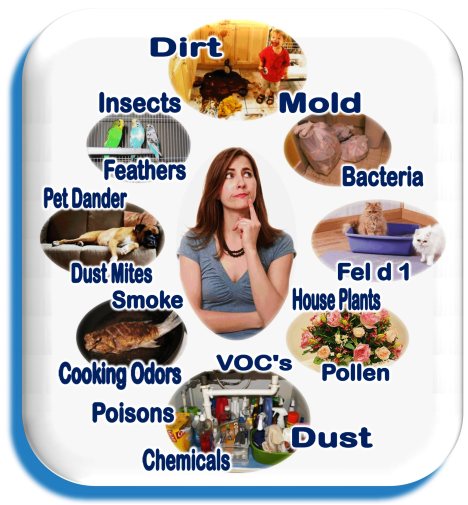
Microshield IAQ Whats In The Air you Breathe
• John P. Lapotaire, CIEC
• Certified Indoor Environmental Consultant
• Microshield Environmental Services, LLC
• www.Microshield-ES.com
Share this with the #IAQS:
Leave a Comment » | Residential IAQ | Tagged: air quality, ASTM, Chapter 468, ciec, Department of Business and Professional Regulation, Florida DBPR, Florida Statutes, HB 4171, HB 5005, HB 5007, healthy home, House Bill 713, IEQ 3.2, IESO, indoor air quality, Indoor Environmental Standard Organization, john lapotaire, John P. Lapotaire, LEED, microshield, mold, mold inspection, mold pretreatment, mold prevention, mold remediation, mold removal, mold testing, Mold-Related Services Licensing Program, new home mold, Part XVI, PCB BCAS 11-01, Residential Mold Assessment, SB 1244, Senate Bill 2234, USGBC | Permalink
Posted by John P. Lapotaire, CIEC
January 13, 2012
 By: Monica McNeal | WSAV-TV
Published: January 07, 2012
Winter is a tough time for children with asthma. As the temperature drops and kids are more exposed to colds and flu germs at school, the opportunity for asthma to be triggered greatly increases.
According to the Journal of Alllergy and Clinical Immunology. Three ways winter is tough on kids with asthma and their families: kids are indoors and exposed to more germs and pollutants, kids with asthma miss more school in the colder months, and last there are more emergency room visits from asthma suffers.
Doctors say that the key to a successful episode-free winter is symptom control. They suggest to minimize exposure to triggers and to become more vigilant about taking asthma medications. But asthma triggers are not completely within the sufferer’s control. Even when a parent is diligent about germ control-like getting everyone in the household flu shots, and being careful about environmental irritants such as using low allergy cleansers and household products; doctors strongly recommend being especially diligent about sticking to prescribed medication regimens.
Share this with the #IAQS:
Leave a Comment » | Residential IAQ | Tagged: air quality, ASTM, Chapter 468, ciec, Department of Business and Professional Regulation, Florida DBPR, Florida Statutes, HB 4171, HB 5005, HB 5007, healthy home, House Bill 713, IEQ 3.2, IESO, indoor air quality, Indoor Environmental Standard Organization, john lapotaire, John P. Lapotaire, LEED, microshield, mold, mold inspection, mold pretreatment, mold prevention, mold remediation, mold removal, mold testing, Mold-Related Services Licensing Program, new home mold, Part XVI, PCB BCAS 11-01, Residential Mold Assessment, SB 1244, Senate Bill 2234, USGBC | Permalink
Posted by John P. Lapotaire, CIEC
January 13, 2012
 IAQA 15th ANNUAL MEETING & INDOOR AIR EXPO: MARCH 5-7 IN LAS VEGAS
Register by January 31st and Save $50!
The Technical Committee is excited about the high quality of the presentations selected for the program this year. The most important objective of the technical committee this year was to bring ever stronger presenters and more solid presentations to the conference. A major theme throughout the program is to clearly cite the science underpinning our practices – or to acknowledge where there are gaps in the science. List of speakers and sessions available here. Full conference details and online registration at www.iaqa.org/expo
Share this with the #IAQS:
Leave a Comment » | Commercial IAQ, Residential IAQ | Tagged: air quality, ASTM, Chapter 468, ciec, Department of Business and Professional Regulation, Florida DBPR, Florida Statutes, HB 4171, HB 5005, HB 5007, healthy home, House Bill 713, IEQ 3.2, IESO, indoor air quality, Indoor Environmental Standard Organization, john lapotaire, John P. Lapotaire, LEED, microshield, mold, mold inspection, mold pretreatment, mold prevention, mold remediation, mold removal, mold testing, Mold-Related Services Licensing Program, new home mold, Part XVI, PCB BCAS 11-01, Residential Mold Assessment, SB 1244, Senate Bill 2234, USGBC | Permalink
Posted by John P. Lapotaire, CIEC
November 25, 2011
 TITUSVILLE — It could cost as much as $200,000 to rid the Titusville Police Department Headquarters of mold. According to a city report, about 30 percent of the building has evidence of mold.
The Titusville City Council tonight will vote on a $200,000 budget amendment for the mold remediation project at the building at 1100 John Glenn Blvd.
Mold was discovered behind wallpaper in several offices in the building on Oct. 21, and the city has been working with private companies to correct the problem.
“We’re moving with a sense of urgency,” Titusville Support Services Director Tom Abbate said.
In a report prepared for tonight’s council meeting, Abbate said testing indicated that five offices at police headquarters “were found to have hazardous levels of mold” and 37 other offices “needed various lesser levels of mold remediation and renewal.”
“We’re erring on the side of caution,” Abbate said, in doing work in parts of the building that had what were considered nonhazardous levels of mold.
Abbate blames the mold in the 27-year-old, 40,000-square-foot building on water intrusion through the roof and windows of the building.
Abbate said environmental testing is complete, and the remediation is about half-done. Next, the city will hire a company to do repairs to the building, including replacing drywall, repainting and replacing carpeting. He hopes to have the work completed by early January.
In the meantime, some police staff members who worked in affected areas have temporarily moved to other parts of the building not affected by the mold issue.
In his report, Abbate said the council has no alternative but to approve funds for the project, saying: “Immediate remediation of existing mold and the timely return of the affected spaces to a safe, operating condition is essential to maintain the operational efficiency, and health and well-being of city employees.”
Titusville police and public works officials have deferred comment on the issue to Abbate, on direction of City Manager Mark Ryan.
In a previous prepared statement about the mold problem, issued Oct. 31, the police department said that “despite the challenges this represents, the building issues will not affect service levels” to the public, “and all operations will continue as we relocate employees temporarily.”
In that statement, Titusville Police Chief Tony Bollinger said, “Our concern, first and foremost, is the welfare of our employees.”
Abbate said, if the city council approves the plan, funding for the project will come from money previously budgeted as a match for a federal economic development grant the city sought, but that was not awarded.
Read More
Contact Berman at 321-360-1016 or dberman@floridatoday.com.
• John P. Lapotaire, CIEC
• Certified Indoor Environmental Consultant
• Microshield Environmental Services, LLC
• www.Microshield-ES.com
Share this with the #IAQS:
Leave a Comment » | Commercial IAQ, Residential IAQ | Tagged: air quality, ASTM, Chapter 468, ciec, Department of Business and Professional Regulation, Florida DBPR, Florida Statutes, HB 4171, HB 5005, HB 5007, healthy home, House Bill 713, IEQ 3.2, IESO, indoor air quality, Indoor Environmental Standard Organization, john lapotaire, John P. Lapotaire, LEED, microshield, mold, mold inspection, mold pretreatment, mold prevention, mold remediation, mold removal, mold testing, Mold-Related Services Licensing Program, new home mold, Part XVI, PCB BCAS 11-01, Residential Mold Assessment, SB 1244, Senate Bill 2234, USGBC | Permalink
Posted by John P. Lapotaire, CIEC
November 25, 2011
 What to look for in assessing indoor air quality and how to achieve a healthy level.
By Stephanie RogersWed, Nov 09 2011 at 1:56 PM EST
Your eyes are watering, your throat is dry and itchy, your head hurts and you’re finding it hard to breathe. If these symptoms last longer than the typical cold — and you don’t normally suffer from allergies — they may be signs of poor indoor air quality.
Whether at home or at work, persistent exposure to pollutants in the air can have serious effects on your health. How do you achieve healthy air quality? Here’s what to look for, and a few tips for cleaner, more breathable air.
Causes of poor indoor air quality
According to the
United States Environmental Protection Agency, poor indoor air quality is associated with illnesses like asthma, hypersensitivity pneumonitis, and what’s known as ‘humidifier fever.’ In addition to allergy-like symptoms, people who sit for hours in buildings with polluted air may experience unusual levels of fatigue, dizziness, nausea, irritability and forgetfulness. If symptoms of illness seem to abate when you leave your home or office, that’s a strong sign pointing to air quality issues.
There are many factors that detract from healthy air quality indoors. In poorly ventilated structures, pollutants like asbestos, formaldehyde and other volatile organic compounds can build up in the air. These toxic compounds are emitted by products like cleaning supplies, air fresheners, insulation, carpeting, adhesives, office equipment and hobby products. Pollutants resulting from combusting appliances like oil heaters, woodstoves and gas cookstoves, can also be retained indoors.
Improper ventilation not only prevents these pollutants from leaving the building, it can also introduce outdoor pollution like automobile exhaust, boiler emissions and fumes from dumpsters into the air inside due to poorly located air intake vents.
How to achieve healthy air quality
First and foremost, check your ventilation systems. Have a professional inspect and service your home’s HVAC system on a regular basis as well as any ventilation associated with appliances, including your chimney.
While having a tightly sealed home is great for conserving energy, you should ensure that the air within your home is refreshed on a regular basis. Use window or attic fans when weather permits, and install bathroom and kitchen ventilation fans to push potentially polluted air directly outdoors.
Limit pollutants inside your home by storing items like pesticides, paints and thinners, adhesives and fuels in a shed or garage. Choose non-toxic cleaning products and household items with no- or low-
VOCs including furniture, finishes, carpeting, bedding and drapery.
It’s also a good idea to grow an indoor garden.
House plants like ficus, bamboo palms, pothos and peace lilies actively work to strip pollutants out of the air. These plants will not only beautify your space and bring in a little of the outdoors, but act as a natural air filter.
If you live in an apartment, take steps to temporarily increase the ventilation indoors. Avoid blocking air supply vents, and open the windows every now and then to let in fresh air. Speak to your building management about following the
EPA‘s
Building Air Quality guidelines.
If your’e concerned about the air quality in your workplace, talk to your co-workers, supervisors and union representatives to see if others are experiencing similar adverse health effects and discuss possible solutions with your employers. If your building managers refuse to address the problem, you can call the National Institute for Occupational Safety and Health (1-800-35NIOSH) to learn about obtaining a health hazard evaluation of your workplace.
•
John P. Lapotaire, CIEC
• Certified Indoor Environmental Consultant
• Microshield Environmental Services, LLC
•
www.Microshield-ES.comShare this with the #IAQS:
Leave a Comment » | Commercial IAQ, Residential IAQ | Tagged: air quality, ASTM, Chapter 468, ciec, Department of Business and Professional Regulation, Florida DBPR, Florida Statutes, HB 4171, HB 5005, HB 5007, healthy home, House Bill 713, IEQ 3.2, IESO, indoor air quality, Indoor Environmental Standard Organization, john lapotaire, John P. Lapotaire, LEED, microshield, mold, mold inspection, mold pretreatment, mold prevention, mold remediation, mold removal, mold testing, Mold-Related Services Licensing Program, new home mold, Part XVI, PCB BCAS 11-01, Residential Mold Assessment, SB 1244, Senate Bill 2234, USGBC | Permalink
Posted by John P. Lapotaire, CIEC
 Former tenant says management failed to take action months ago







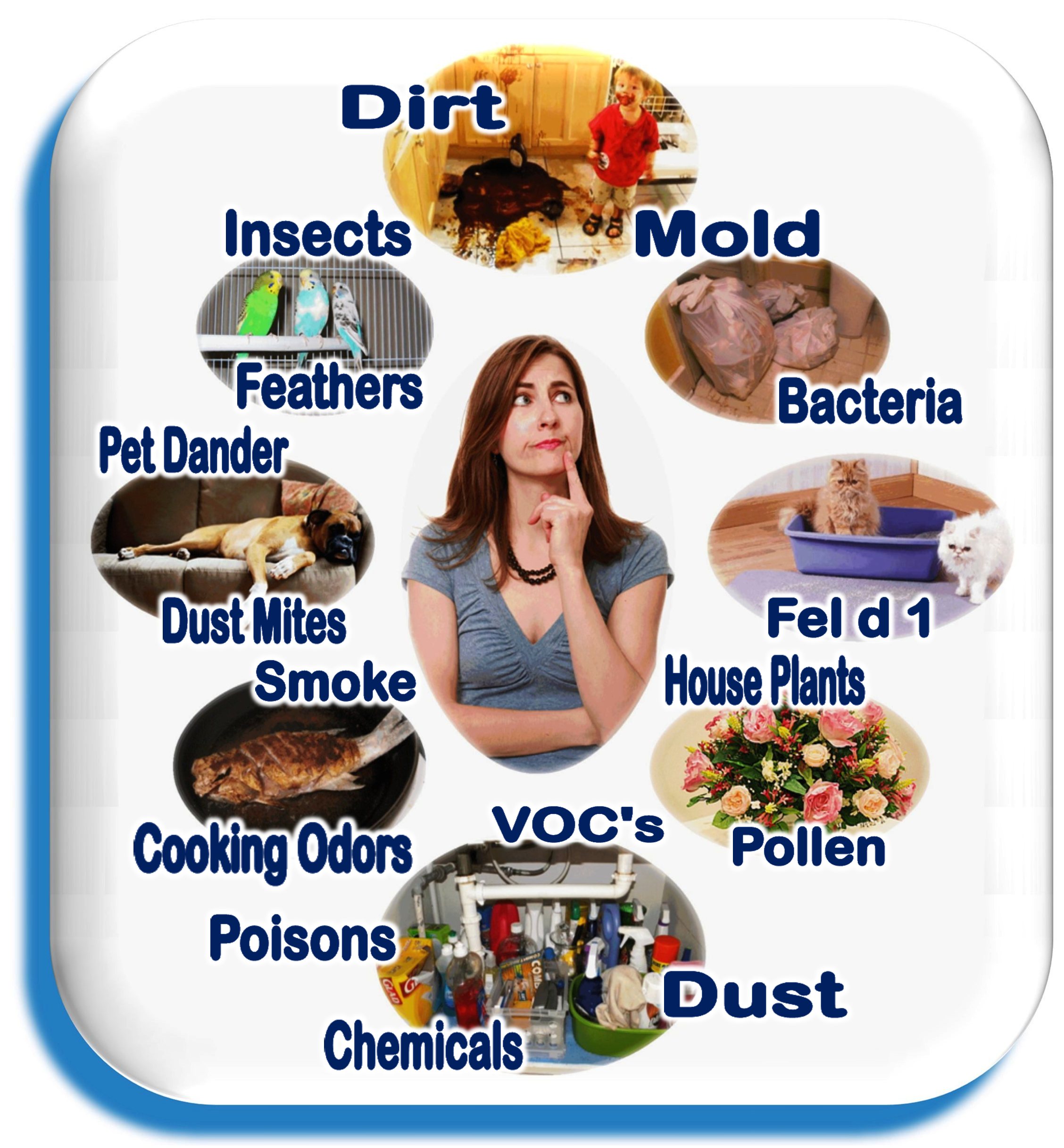









 Indoor Air Quality Solutions, IAQS