 On February 15, 2012, the American National Standards Institute (ANSI) notified the Indoor Environmental Standards Organization (IESO) of the approval of the IESO/RIA 6001-2011 Evaluation of Heating, Ventilation and Air Conditioning (HVAC) Interior Surfaces to Determine the Presence of Fire-Related Particulate as a Result of a Fire in a Structure. This is the first ANSI-approved standard for IESO. It was produced in close cooperation with a committee convened by the Restoration Industry Association (RIA). “The completion of this standard represents the efforts and expertise of many individuals, and we would like to acknowledge the IAQA and IESO Boards of Directors who provided the funding, leadership, staffing and guidance necessary to achieve this important milestone,” said Brad Harr, chairman of the IESO Consensus Body. The standard has been in development since early 2009 and will be used in the field to help determine if fire-related residues have been deposited on HVAC interior surfaces.
HVAC EVALUATION STANDARD FROM IESO/RIA APPROVED BY ANSI
March 12, 2012
 Leave a Comment » |
  Commercial IAQ, Residential IAQ | Tagged: air quality, ASTM, Chapter 468, ciec, Department of Business and Professional Regulation, Florida DBPR, Florida Statutes, HB 4171, HB 5005, HB 5007, healthy home, House Bill 713, IEQ 3.2, IESO, indoor air quality, Indoor Environmental Standard Organization, john lapotaire, John P. Lapotaire, LEED, microshield, mold, mold inspection, mold pretreatment, mold prevention, mold remediation, mold removal, mold testing, Mold-Related Services Licensing Program, new home mold, Part XVI, PCB BCAS 11-01, Residential Mold Assessment, SB 1244, Senate Bill 2234, USGB |
  Permalink
 Posted by John P. Lapotaire, CIEC
The DNA of a serial killer does NOT kill you!
March 12, 2012 Recently a very well respected PhD Wei Tang Lab Director at QLab, posted the following in the IAQA LinkedIn Group about microbial DNA testing. It was in response to a question regarding the presentation he gave at the IAQA Annual Conference in Las Vegas.
Someone asked me about DNA testing in one of my presentations yesterday. Here are my thoughts on this subject.
The detection of DNA in indoor environmental samples demonstrates the history of the presence of biological organisms (e.g. a serial killer, mold, bacteria, etc.). It may not represent the current biological hazard/risk. Pathogens need to be viable to be infectious. The molecular structures of allergens (mold and others) and toxins that cause allergic and toxic reactions, respectively, need to be well preserved in order to cause health effects. Assessment based on DNA testing alone overestimates the risk of biological agents on human health in indoor environment.
Surrogate components testing (DNA, ATP, enzymes) does not test for the “real thing”. The detection of those components of an organism does not equal to the detection of components of the same organism that can cause health effects. Direct microscopic examination of fungal biomass (spores and hyphae) detects and demonstrates the presence of intact fungal cell structure and it has a better correlation to the presence of fungal cell components that can possibly cause health effects. Of course, there are many tests can detect each components individually, but the cost will be very high. Culture analysis can tell you whether VIABLE (culturable) fungi and bacteria are present or not. Those methods will still be the most common and cost efficient methods for IEQ assessment for many years to come.
DNA testing doesn’t tell you when the organism has become non-viable or if the cell structure has been destroyed or not. If the remediation company need to remove, clean, kill, and destroy every pieces of DNA left behind, the cost will be way too high. DNA-free environment is unnecessary for residential, commercial and most industrial buildings.
DNA testing is a power tool and has its time and place, especially for academic research. For field applications, I believe we are still in early stage of research and development.
• John P. Lapotaire, CIEC
• Certified Indoor Environmental Consultant
• Microshield Environmental Services, LLC
• www.Microshield-ES.com
Share this with the #IAQS:

Leave a Comment » | Commercial IAQ, Residential IAQ | Tagged: air quality, ASTM, Chapter 468, ciec, Department of Business and Professional Regulation, Florida DBPR, Florida Statutes, HB 4171, HB 5005, HB 5007, healthy home, House Bill 713, IEQ 3.2, IESO, indoor air quality, Indoor Environmental Standard Organization, john lapotaire, John P. Lapotaire, LEED, microshield, mold, mold inspection, mold pretreatment, mold prevention, mold remediation, mold removal, mold testing, Mold-Related Services Licensing Program, new home mold, Part XVI, PCB BCAS 11-01, Residential Mold Assessment, SB 1244, Senate Bill 2234, USGB | Permalink
Posted by John P. Lapotaire, CIEC
Better Science Means More Toxic Mold Lawsuits
March 12, 2012
By Stephanie Rabiner, Esq. at FindLaw.com
Mon Mar 12, 2012 6:35am EDT
Toxic mold lawsuits have historically been met with speculation. Much of this was the result of the science — differing opinions on causation and whether visible mold automatically implies the presence of toxins. Some even went so far as to claim mold litigation was based on “junk science and hysteria.”
However, a recent ruling from a New York appeals court suggests that prevailing opinions about mold science may have changed. At least when it comes to the courts.
Brenda Cornell had sued her ex-landlord for respiratory illnesses developed as the result of 6 long years of mold exposure. The trial court had dismissed her suit, relying on the appellate court’s 2008 ruling in Fraser v. 301-52 Townhouse Corp.
In Fraser, the court declined to accept scientific evidence connecting the plaintiff’s illness with mold. The plaintiff failed to prove that the scientific theory connecting mold and dampness to illness is generally accepted by the scientific community.
Cornell’s toxic mold lawsuit did not meet this roadblock. Fraser, the court wrote, does not preclude all such suits. The plaintiffs were able to prove that Cornell’s former apartment was above a mold-infested basement and that mold was growing under her floorboards. Medical experts testified and relied on a number of studies.
Those studies, wrote the court, were “statistically significant” and demonstrated “that exposure to mold caused the identified ill-health effects.” The court further concluded that “it is undisputed that exposure to toxic molds is capable of causing the types of ailments from which plaintiff suffers.”
This conclusion is an important one for plaintiffs bringing toxic mold lawsuits. It implies mold science may have finally reached a point where it helps, as opposed to hinders, litigation.
Related Resources:
- Toxic Mold / Black Mold (FindLaw)
- Get Legal Help with a Toxic Mold Case (FindLaw)
- Can Toxic Mold Kill You? (FindLaw’s Common Law)
• John P. Lapotaire, CIEC • Certified Indoor Environmental Consultant • Microshield Environmental Services, LLC • www.Microshield-ES.com
Share this with the #IAQS:

Leave a Comment » | Commercial IAQ, Residential IAQ | Tagged: air quality, ASTM, Chapter 468, ciec, Department of Business and Professional Regulation, Florida DBPR, Florida Statutes, HB 4171, HB 5005, HB 5007, healthy home, House Bill 713, IEQ 3.2, IESO, indoor air quality, Indoor Environmental Standard Organization, john lapotaire, John P. Lapotaire, LEED, microshield, mold, mold inspection, mold pretreatment, mold prevention, mold remediation, mold removal, mold testing, Mold-Related Services Licensing Program, new home mold, Part XVI, PCB BCAS 11-01, Residential Mold Assessment, SB 1244, Senate Bill 2234, USGB | Permalink
Posted by John P. Lapotaire, CIEC
Understand the new rules about lead paint dust
February 20, 2012 If your home was built before 1978, a new regulation could affect your remodeling or renovation project. A new federal law requires remodeling contractors who could possibly disturb lead paint during a renovation to be certified and use certain procedures to minimize your exposure.
Q: Why is lead poisoning considered so dangerous?
A: Lead can affect a child’s brain and developing nervous system, lowering their IQ and causing learning disabilities, hearing problems, behavioral problems and slowed growth.
In adults, low levels of lead can lead to high blood pressure and hypertension and can cause damage to the brain, nervous system, stomach and kidneys.
There may be no noticeable symptoms of lead poisoning before the blood level becomes very high and has caused irreversible damage.
Q: How big of a problem is lead poisoning here in Iowa?
A: In Iowa, one out of every 16 children entering school have an elevated blood level for lead poisoning. This is four times the national average. This may be due, in large part, to the large number of houses in our state that were built before 1950.
Q: How do I know if there is lead-based paint in my home?
A: It is estimated that 24 percent of homes built between 1960 and 1978 have some lead, that 69 percent of homes built between 1940 and 1960 do, and that as many as 87 percent of homes built before 1940 do. ” Some homes, even built as recently as 1985, have turned up with large amounts of lead paint.” Although lead paint was outlawed for residential use in 1978, it is still used extensively in commercial paints.
You can hire a certified inspector to find out if there is lead in your home and where it is located.
Q: How is someone exposed to lead in their home?
A: Lead gets into the body when it is either swallowed or inhaled. Low levels can build up in your body over a long period of time.
The most common way to get lead poisoning is from dust. You can see how a home remodeling project could easily disturb some lead-based paint, even if it’s under layers of latex paint. The dust from sanding and other demolition work can be filled with dangerous lead dust.
Q: What types of home renovations are covered by the new lead paint law?
A: Any time more than one square foot of a lead-painted surface is disturbed, the contractor must be certified and follow the new procedures. The new law applies to even small jobs, like window replacements. “Even an electrician that would cut in as few as three electrical boxes would need to be certified,” “It doesn’t take much to meet the requirement.”
Q: What kind of training do remodelers need?
A: An eight-hour class is required with a written test at the end. Then the contractor must apply to the state of Iowa for certification. Every three years they must take a refresher course. For most home renovation projects, the contractor and at least one worker must be certified.
Q: What extra work is required?
A: Contain the work area, sealing off the door to that room and the heating/cooling vents. Avoid renovation activities that create a lot of dust. Clean up well afterward.
Sources: National Association of Home Builders, WebMD
For more information online:
Renovate Right brochure:
www.epa.gov/lead/pubs/renovaterightbrochure.pdf
• John P. Lapotaire, CIEC • Certified Indoor Environmental Consultant • Microshield Environmental Services, LLC • www.Microshield-ES.com
Share this with the #IAQS:

Leave a Comment » | Commercial IAQ, Residential IAQ | Tagged: air quality, ASTM, Chapter 468, ciec, Department of Business and Professional Regulation, Florida DBPR, Florida Statutes, HB 4171, HB 5005, HB 5007, healthy home, House Bill 713, IEQ 3.2, IESO, indoor air quality, Indoor Environmental Standard Organization, john lapotaire, John P. Lapotaire, LEED, microshield, mold, mold inspection, mold pretreatment, mold prevention, mold remediation, mold removal, mold testing, Mold-Related Services Licensing Program, new home mold, Part XVI, PCB BCAS 11-01, Residential Mold Assessment, SB 1244, Senate Bill 2234, USGB | Permalink
Posted by John P. Lapotaire, CIEC
Mold Forces Senior Citizens To Evacuate Greenville Apartments
February 20, 2012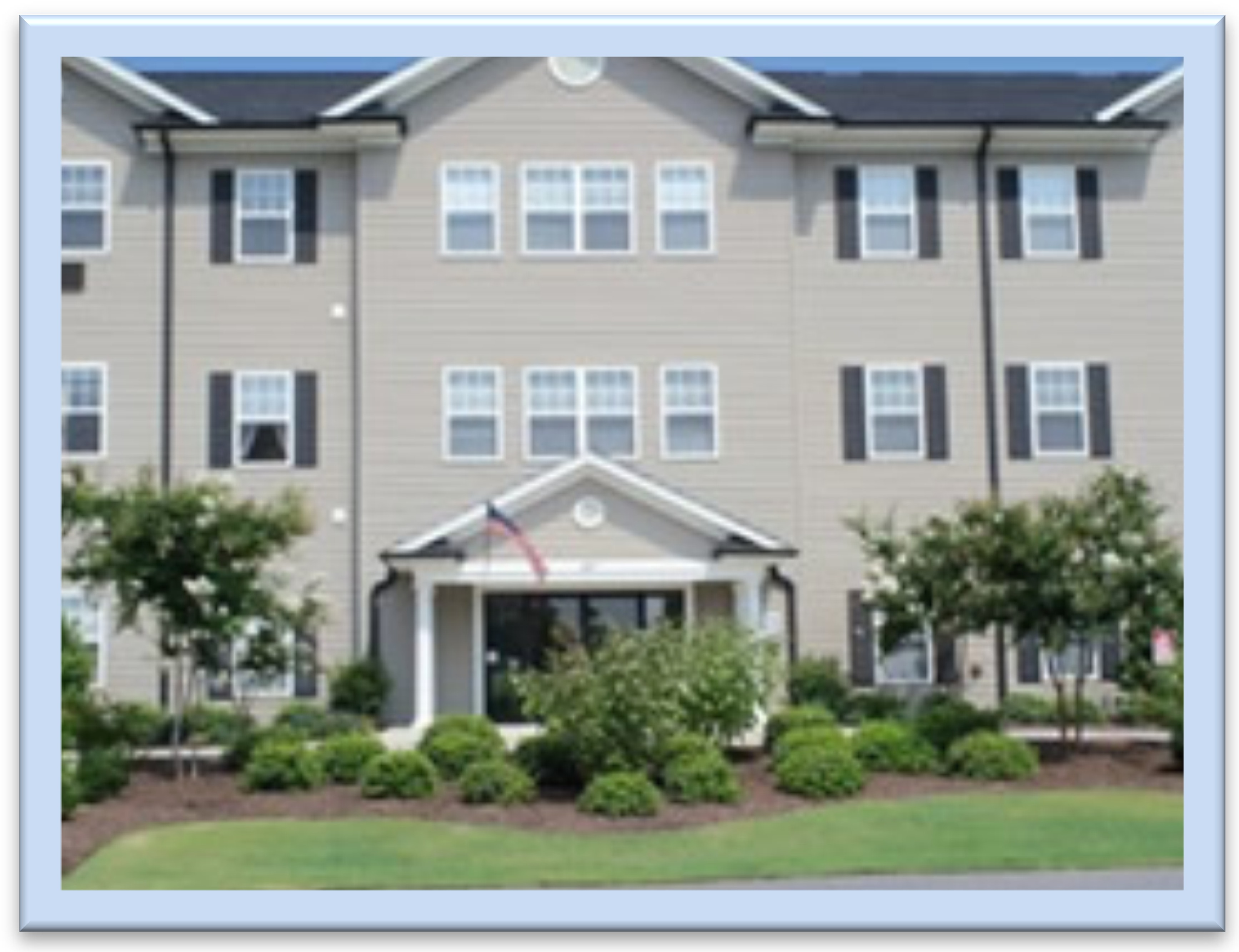 Former tenant says management failed to take action months ago
Greenville, SC —
www2.wspa.com Click for full story and video
UPDATE – POSTED 2/14/12
A former AHEPA tenant says management should have taken action last summer when she lodged several complaints about mold in her apartment.
Donna Lewis says she and her husband lived in the building for seven months in 2011. She says her asthma flared up constantly and both she and her husband suffered allergy and sinus problems after moving to the building in February 2011. She says she could see mold in their apartment and complained to the property manager on several occassions but no action was taken to investigate the problem.
“Two days before we moved out, they sent the maintenance man to scrape the mold off our window and vacuum the carpet, and that was it,” says Lewis.
She says many of her neighbors were also complaining of breathing problems and management should have done something long before now to protect them.
John Hayes, AHEPA’s attorney, says management responded appropriately once they had multiple complaints from several residents.
“If it was just one resident complaining last summer, (management) would have believed the mold problem was limited to that person’s apartment,” says Hayes.
He says AHEPA will refund the Lewis’ $546 security deposit. Lewis says she and her husband have not had any more respiratory problems after moving out of the AHEPA building in October.
ORIGINAL STORY – POSTED 2/10/12
A mold infestation has forced 27 senior citizens to evacuate their apartment building in Greenville. The group that manages the building also has two properties in Columbia that have mold.
AHEPA Apartments 242 is located on Woods Lake Drive. AHEPA is a non-profit organization that provides affordable housing for low-income and disabled seniors in 21 states, receiving funding from the US Department of Housing and Urban Development.
25 of the 48 units in Greenville were evacuated Thursday after an environmental testing firm detected “elevated levels of mold” in the 25 units, according to John Hayes, an attorney representing AHEPA. Hayes says some residents complained of allergies and asthma-like symptoms that could be caused by the mold. AHEPA has also partially evacuated two of its apartment buildings in Columbia because of mold.
“We believe it has to do with the way these buildings were built,” says Hayes, who specializes in construction law. “But we have to not only figure out what’s going on; we have to come up with a plan to fix it.”
He says the same general contractor and architect designed and constructed all three buildings. He says AHEPA has filed a lawsuit against the firms, declining to name them because of the pending litigation.
Hayes says the respiratory issues caused by the mold have not created any more serious health problems for the residents.
“I’ve had bad allergies and headaches,” says Caroline Yokim, one of the seniors who was evacuated. “But I’ve had allergies for a long time, so I can’t say for sure that it was caused by anything environmental here.”
The residents are now being housed at local hotels. Hayes says there is no timeframe on how long it might take to get the seniors back into their apartments.
“We still have to find the exact cause of the mold and fix it because if we don’t fix it, the mold will come back,” says Hayes.
He says an investigation of the two buildings in Columbia showed the structures were built without critical moisture-diversion material that is supposed to be placed between the exterior walls and the facade. The Greenville building will be investigated soon.
Environmental crews were busy Thursday de-contaminating the affected apartments and cleaning residents’ belongings.
• John P. Lapotaire, CIEC • Certified Indoor Environmental Consultant • Microshield Environmental Services, LLC • www.Microshield-ES.com
Share this with the #IAQS:

Leave a Comment » | Residential IAQ | Tagged: air quality, ASTM, Chapter 468, ciec, Department of Business and Professional Regulation, Florida DBPR, Florida Statutes, HB 4171, HB 5005, HB 5007, healthy home, House Bill 713, IEQ 3.2, IESO, indoor air quality, Indoor Environmental Standard Organization, john lapotaire, John P. Lapotaire, LEED, microshield, mold, mold inspection, mold pretreatment, mold prevention, mold remediation, mold removal, mold testing, Mold-Related Services Licensing Program, new home mold, Part XVI, PCB BCAS 11-01, Residential Mold Assessment, SB 1244, Senate Bill 2234, USGB | Permalink
Posted by John P. Lapotaire, CIEC
The Dangers Of Mold In Orlando Homes
February 5, 2012 MOLD in Orlando Homes can cause health problems.
Health Issues range from itching eyes, sneezing and coughing to serious allergic reactions, asthma attacks and even permanent lung damage.
And what many people do not know is that mold could be growing in their homes right now. I’ve gone into houses that are so neat and clean there’s not even a teacup out of place.
Then as I continue the visual mold inspection I find mold growing on the legs of the furniture. Mold in a house is most often found on walls, floors, ceilings, carpets and fabrics exposed to moisture, one particularly troublesome hiding place is inside the ductwork and associated components of central forced-air heating and air-conditioning systems.
You want to make sure the whole system is cleaned thoroughly.
Calling an Emergency Response Mold Remediation Company Is The Only the First Step To Take To Ensure Proper Measures are Taken.
You Need a Licensed Mold Assessor.
• John P. Lapotaire, CIEC • Certified Indoor Environmental Consultant • Microshield Environmental Services, LLC • www.Microshield-ES.com
Share this with the #IAQS:

Leave a Comment » | Commercial IAQ, Residential IAQ | Tagged: air quality, ASTM, Chapter 468, ciec, Department of Business and Professional Regulation, Florida DBPR, Florida Statutes, HB 4171, HB 5005, HB 5007, healthy home, House Bill 713, IEQ 3.2, IESO, indoor air quality, Indoor Environmental Standard Organization, john lapotaire, John P. Lapotaire, LEED, microshield, mold, mold inspection, mold pretreatment, mold prevention, mold remediation, mold removal, mold testing, Mold-Related Services Licensing Program, new home mold, Part XVI, PCB BCAS 11-01, Residential Mold Assessment, SB 1244, Senate Bill 2234, USGBC | Permalink
Posted by John P. Lapotaire, CIEC
Orlando Mold Inspectors, What You Should Know.
February 5, 2012 Mold Inspectors In Orlando and What You Should Know Before Hiring
Find out if the inspection can be done within a 48-hour time frame. If not, you’re better off hiring someone else since mold can spread very quickly.
Also, make sure that the mold inspector you’re intending to hire is both licensed and certified. While some states already have those requirements before they can practice, there are many states that still do not. In addition to being certified and licensed, you should ask the company inspecting your home for references from other clients.
Florida Requiers a Mold Assessment and a Mold Remediation License. Your Florida Mold Assessor cannot be your Mold Remediator, that would be a conflict of interest.
You should also make sure that there is a contract provided to insure that both you and the inspection company are in agreement with the work that is to be done.
The contract should also include an agreement to provide a written report that answers any questions you may have whether it be regarding the cause and origin or the visual assessment of the inspection for mold in the home.
In addition, your mold inspection should also consist of a moisture and leak test, an air quality test, humidity test and drainage test which can take anywhere from a few hours to a half a day to complete.
And finally, if the business you’ve chosen to inspect your home offers black mold removal services as well, you should be aware that mold inspectors and mold remediation are two separate businesses and any good inspector can tell you that.
• John P. Lapotaire, CIEC • Certified Indoor Environmental Consultant • Microshield Environmental Services, LLC • www.Microshield-ES.com
Share this with the #IAQS:

Leave a Comment » | Residential IAQ | Tagged: air quality, ASTM, Chapter 468, ciec, Department of Business and Professional Regulation, Florida DBPR, Florida Statutes, HB 4171, HB 5005, HB 5007, healthy home, House Bill 713, IEQ 3.2, IESO, indoor air quality, Indoor Environmental Standard Organization, john lapotaire, John P. Lapotaire, LEED, microshield, mold, mold inspection, mold pretreatment, mold prevention, mold remediation, mold removal, mold testing, Mold-Related Services Licensing Program, new home mold, Part XVI, PCB BCAS 11-01, Residential Mold Assessment, SB 1244, Senate Bill 2234, USGBC | Permalink
Posted by John P. Lapotaire, CIEC
Do You have Mold in Your Home In Orlando
February 5, 2012 Do You have Mold in Your Home In Orlando
Has Mold Invaded Your Florida Home? Although mold originates from microscopic spores, mold itself is usually easy to detect. While testing is sometimes used to determine the presence of mold, generally a quick investigation with your eyes and nose can tell you if mold is present.
Some signs of mold include:
■ Visible mold growth. Mold can appear in a variety of textures and colors; it often appears as a discoloration, stain, or fuzzy growth.
■ Musty or earthy odors.
■ Water damage and discoloration around the area of the damage
Where to Start:
1. Fixing the Moisture Problem: Mold cannot grow without moisture.
2. Drying of Wet Materials: Especially when overflow or flooding has occurred, drying of wet materials should begin immediately to stop mold growth. Fans and dehumidifiers can help in this process. You may need to discard the items if you cannot dry them well within 48 hours.
3. Treatment or Disposal of Contaminated Materials: Before beginning mold treatment and clean up, you should consider using protective equipment.
4. Cleaning of Surfaces: Non-porous materials such as hard plastic, concrete, glass, metal, and solid wood can usually be cleaned of mold.
5. Disinfecting Surfaces: After cleaning hard surfaces, you may choose to disinfect them. Mixing 1/4 to 1/2 cup of bleach per gallon of water provides an effective disinfectant solution.
6. Closing the Door on Mold: Mold will take any opportunity to grow in your home. Stay alert for moisture problems, musty odors, and other signs that mold may be forming.
• John P. Lapotaire, CIEC • Certified Indoor Environmental Consultant • Microshield Environmental Services, LLC • www.Microshield-ES.com
Share this with the #IAQS:

Leave a Comment » | Residential IAQ | Tagged: air quality, ASTM, Chapter 468, ciec, Department of Business and Professional Regulation, Florida DBPR, Florida Statutes, HB 4171, HB 5005, HB 5007, healthy home, House Bill 713, IEQ 3.2, IESO, indoor air quality, Indoor Environmental Standard Organization, john lapotaire, John P. Lapotaire, LEED, microshield, mold, mold inspection, mold pretreatment, mold prevention, mold remediation, mold removal, mold testing, Mold-Related Services Licensing Program, new home mold, Part XVI, PCB BCAS 11-01, Residential Mold Assessment, SB 1244, Senate Bill 2234, USGBC | Permalink
Posted by John P. Lapotaire, CIEC
Florida Mold Cleanup Information On Florida Health Department Website
February 5, 2012 Florida Mold Information On Health Department Website
Mold is a fungi that travels through the air as tiny spores, and can grow and spread quickly under wet conditions.
Mold can irritates the eyes, nose and throat and can cause serious reactions and respiratory problems.
The Florida Health Department offers detailed information about mold cleanup on its website at www.healthvermont.gov. Including detailed instructions for cleaning homes, yards and properties, disinfecting and testing drinking water, and food safety.
• John P. Lapotaire, CIEC
• Certified Indoor Environmental Consultant
• Microshield Environmental Services, LLC
Share this with the #IAQS:

Leave a Comment » | Residential IAQ | Tagged: air quality, ASTM, Chapter 468, ciec, Department of Business and Professional Regulation, Florida DBPR, Florida Statutes, HB 4171, HB 5005, HB 5007, healthy home, House Bill 713, IEQ 3.2, IESO, indoor air quality, Indoor Environmental Standard Organization, john lapotaire, John P. Lapotaire, LEED, microshield, mold, mold inspection, mold pretreatment, mold prevention, mold remediation, mold removal, mold testing, Mold-Related Services Licensing Program, new home mold, Part XVI, PCB BCAS 11-01, Residential Mold Assessment, SB 1244, Senate Bill 2234, USGBC | Permalink
Posted by John P. Lapotaire, CIEC
Florida Household Mold Exposure
February 5, 2012Symptoms Of Florida Household Mold Exposure
Exposure to mold in central florida and orlando area homes has several symptoms. Mold can cause serious problems in many people.
Here are the More Common Symptoms:
- Skin Rash – You can develop redness in your skin simply from inhaling the fumes from the mold.
- Eye Irritation – Mold can cause both redness and watering of the eyes.
- Headaches – Breathing in mold can cause headaches in some people. This is especially true of people who suffer with migraines.
- Feeling Tired – Feeling tired for several days in a row
- Sore Throat – Experiencing a raw feeling when swallowing or hoarseness when speaking
- Shortness of Breath -Breathing in mold spores can cause respiratory difficulties in some people
- Runny Noses – If you are constantly reaching for a tissue to catch your runny nose this can also be a strong symptom of mold exposure.
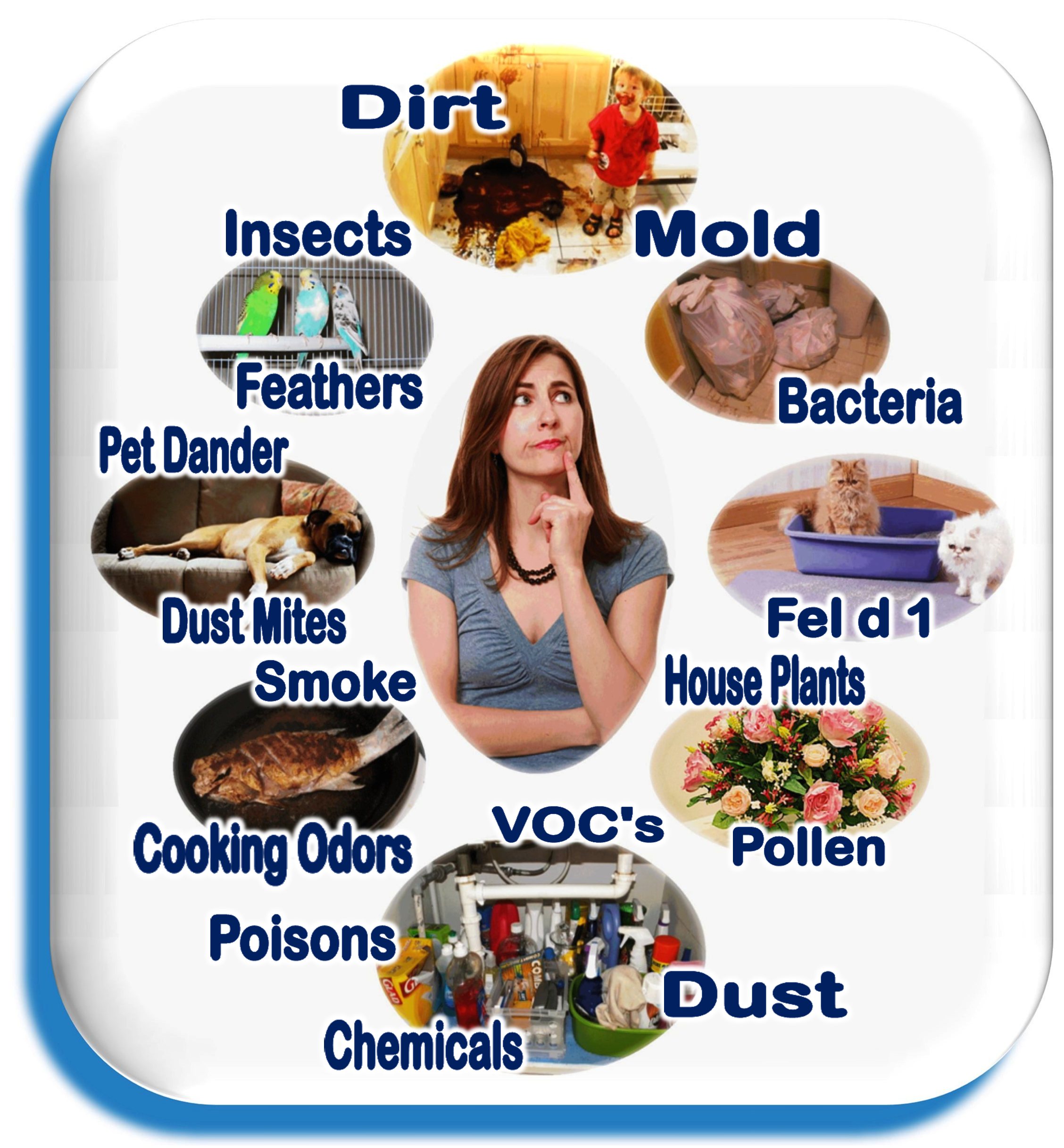
Microshield IAQ Whats In The Air you Breathe
• John P. Lapotaire, CIEC
• Certified Indoor Environmental Consultant
• Microshield Environmental Services, LLC
Share this with the #IAQS:

Leave a Comment » | Residential IAQ | Tagged: air quality, ASTM, Chapter 468, ciec, Department of Business and Professional Regulation, Florida DBPR, Florida Statutes, HB 4171, HB 5005, HB 5007, healthy home, House Bill 713, IEQ 3.2, IESO, indoor air quality, Indoor Environmental Standard Organization, john lapotaire, John P. Lapotaire, LEED, microshield, mold, mold inspection, mold pretreatment, mold prevention, mold remediation, mold removal, mold testing, Mold-Related Services Licensing Program, new home mold, Part XVI, PCB BCAS 11-01, Residential Mold Assessment, SB 1244, Senate Bill 2234, USGBC | Permalink
Posted by John P. Lapotaire, CIEC


 Indoor Air Quality Solutions, IAQS