April 7, 2013
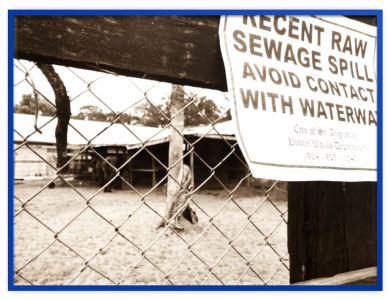
Florida Sewage Floods – Florida Indoor Air Quality Solutions, IAQ
By Leo Nov
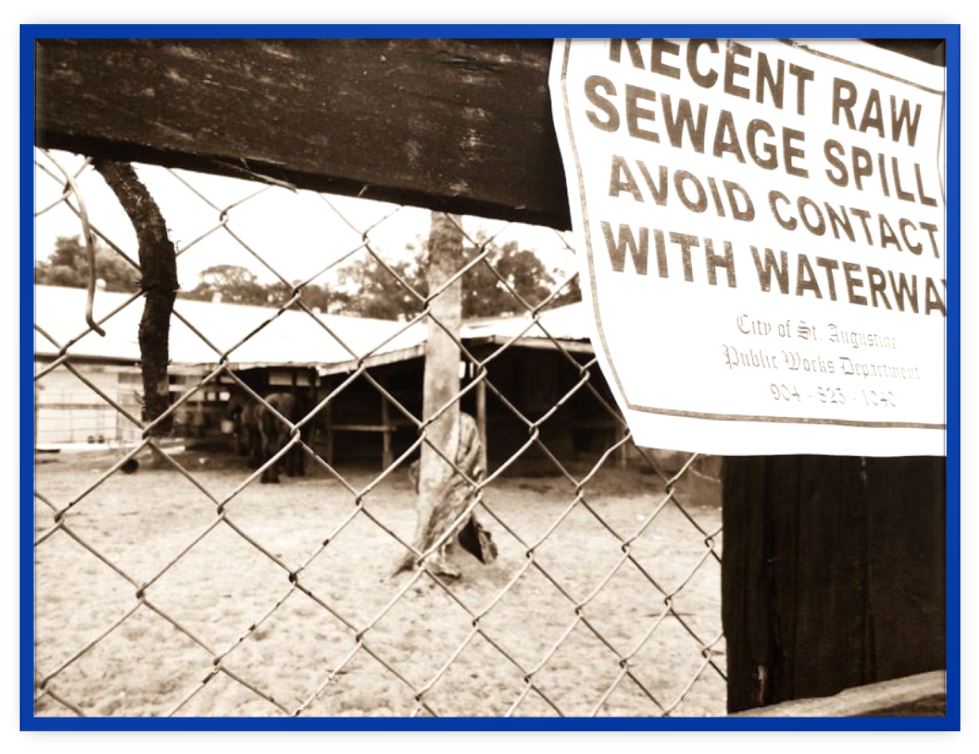
When we hear of the term sewage, we really have a very clear idea of what it looks like. We know what sewage is and where it comes from. We are so grossed just having to think that it came from our bodies’ excretory system, but then, despite its gross nature, we are still being careless in terms of its disposal.
Sewage can cause health risks to people. It is well-known that sewage is the accumulation of human wastes such as feces and urine. Because of its characteristic, it is indeed true enough that it has various pathogens and allergens that can be very harmful to people’s health.
There are several diseases are caused by sewage damage. It is important to have an idea of these diseases and the effects of these to our health.
The Dangers of Sewage damage to people’s health
The people are at great risk of acquiring infectious diseases due to exposure to sewage. Not only are the general public affected, sewage damage also poses risks to workers who usually venture in the remediation process, sewage treatment and other sewage-damage related activities. There is a big possibility for them to acquire chronic respiratory illnesses and other chronic illnesses whether it could be viral, fungal, bacterial and parasitic.
There are several diseases that are brought by sewage damage. It is important to have an idea of these diseases and the their effects to our health.
Public health
The general public is the one being at risk of sewage damage. It is ordinary to hear and read news about cases of hepatitis, cholera and other diseases due to exposure to untreated sewage. Take for example the case of epidemic Hepatitis A in Ocee, Florida on 1988-1989. In the said epidemic, statistics showed that 18 cases had a history of exposure to sewage-contaminated storm water.
Over 120 variants of viruses can be seen in human feces, urine and sewage damage which can lead their way to sewage. The 120 viruses can include the following:
Rotavirus-causes severe diarrhea in children
Norwalk virus- causes gastroenteritis
Adenoviruses- cause of respiratory and eye infections
Parasitic agents such as Giardia and Cryptosporidium can cause chronic intestinal illnesses in children and adults.
Bacterial pathogens abound in places with sewage damage can consist of strains of gram-negative organisms like Campylobacter, Salmonella and E. coli. Aside from the strains of gram-negative bacteria, gram-negative bacteria also produce endotoxins which occur at the point of cell’s death and elimination. Endotoxins can manifest in the air through remediation, take for example the cleaning and drying of infected carpets.
Public health risks can also be incurred through improper sewage damage disposal and transport from hospitals and other industrial companies. These could leaf to public health’s declining status due to unscrupulous manner of managing their wastes.
However, workers from sewage damage remediation and other sewage-related activities are not free from health risks. They are prone to infectious illnesses due to exposure to certain chemicals, allergens, toxic gases, fumes, vapors and endotoxins as well as mycotovins and other infectious agents.
Leo Nov is an editorial staff member of RestorationSOS.com, a leading service provider for water damage cleanups.
Article Source: http://EzineArticles.com/1911368
www.FloridaIAQ.com
Share this with the #IAQS:
 Leave a Comment » |
  Commercial IAQ, Flood Information, Residential IAQ | Tagged: air quality, ASTM, Chapter 468, ciec, Department of Business and Professional Regulation, Florida DBPR, Florida Sewage Floods - Florida Indoor Air Quality Solutions, Florida Statutes, free mold inspection, HB 4171, HB 5005, HB 5007, healthy home, House Bill 713, IAQ, IEQ 3.2, IESO, IICRC, indoor air quality, Indoor Environmental Standard Organization, john lapotaire, John P. Lapotaire, LEED, microshield, mold, mold inspection, mold pretreatment, mold prevention, mold remediation, mold removal, mold testing, Mold-Related Services Licensing Program, new home mold, Part XVI, PCB BCAS 11-01, Residential Mold Assessment, SB 1244, Senate Bill 2234, USGB |
  Permalink
 Posted by John P. Lapotaire, CIEC
April 7, 2013
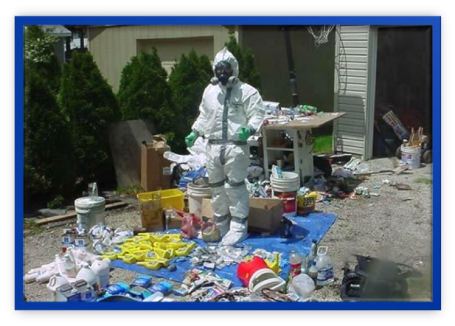
Florida Meth Lab – Florida Indoor Air Quality Solutions, IAQ
By SHELDON GARDNER
Sunday, April 7, 2013
Methamphetamine use is growing across Florida, and that trend is reflected in St. Johns County where the number of meth busts has increased for the past few years.
St. Johns County’s first meth bust came in the 1970s, and meth labs weren’t discovered regularly again until the early 2000s, according to previous stories.
Deputies started finding a few meth labs a year in 2008, said St. Johns County Sheriff’s Cpl. Mike Hartsell. In 2011 and 2012, the Sheriff’s Office found more than three dozen meth labs.
“It’s not gonna slow down,” Hartsell said.
Meth labs have been found across the county in hotel rooms, homes, backpacks and cars. Many of them are clustered in and around the city limits, but labs have also been found in Hastings, Elkton, Ponte Vedra Beach and off County Road 210 and 208, according to Sheriff’s Office records.
Most of them are small-scale, one pot labs, that are highly mobile and produce enough meth for personal use.
The same is true statewide. Most labs fit in a Gatorade bottle, small enough so that someone could “start making meth in one county and drive through three counties before it’s done,” said David Gross, special agent supervisor with the Florida Department of Law Enforcement, which monitors trends in drug use.
The increase in meth lab discoveries is also happening across the state, but meth is already a nationwide problem, Gross said. Meth has been in Florida since the late 80s or early 90s, but use and production started to pick up in 2008.
In 2008, law enforcement agencies across the state reported 180 meth labs, Gross said. That number rose steadily. In 2011, 676 meth labs were found. There were probably more since multiple areas in the state did not file reports. Reporting is on a voluntary basis.
In 2012, 930 meth labs were reported statewide.
In May 2011, the St. Johns County Sheriff’s Office Clandestine Laboratory Enforcement Team formed to better respond to the growing problem. The team is made up of deputies trained in handling meth labs. Hartsell supervises one of those teams.
When the Sheriff’s Office meth team arrives at a scene, officials suit up and remove the lab from the home. That takes four to six hours and costs from $500 to $2,000 depending on the size of the lab, Hartsell said.
Meth cooks endanger not only the people cooking them, but surrounding communities. The gases used in the cook are toxic and highly flammable and explosive. In 2010, a Sheriff’s deputy had to be taken to the hospital for an inhalation injury after breathing in the toxic fumes during an investigation, Hartsell said.
Meth use also increases criminal activity, affects surrounding communities and costs the county money. As with other drugs, people often steal to support their habit, Hartsell said.
Meth labs are toxic to people and homes.
Cooking meth or smoking it creates gases that seep into walls, carpets and furniture, he said. If a building is not cleaned properly, the residual gases are still there, and it’s a health risk.
Depending on the extent of meth use, decontaminating a building could mean ripping out walls and throwing away furniture, costing thousands to tens of thousands of dollars. Sometimes houses are so badly contaminated that they need to be demolished.
St. Johns County Code Enforcement officials recently demolished a mobile home at 1990 Powell Road because meth had been cooked in the home. Two labs had been found there over the past few years. The property owner opted to have the building torn down instead of paying for the clean-up.
Officials said meth use will continue to be a problem in the state and the county despite efforts to fight its spread.
“Right now that’s the future of narcotics in our county,” Hartsell said. “At least for the time being.”
■
A few facts about meth
Methamphetamine facts from the Drug Enforcement Administration:
Street names: Batu, Bikers Coffee, Black Beauties, Chalk, Chicken Feed, Crank, Crystal, Glass, Go-Fast, Hiropon, Ice, Meth, Methlies Quick, Poor Man’s Cocaine, Shabu, Shards, Speed, Stove Top, Tina, Trash, Tweak, Uppers, Ventana, Vidrio, Yaba and Yellow BamLooks.
■ How it’s done: Meth can be swallowed, snorted, injected or smoked.
■ Affects: Meth creates an intense rush with highs that can last for half a day. The drug releases high levels of dompamine into the pleasure areas of the brain. Long-term abuse can cause addiction, violence, anxiety, confusion, insomnia, paranoia, hallucinations, delusions. Dopamine-producing brain cells and serotonin-containing nerve cells can be damaged by exposure to meth.
■ Overdose: Taking too much meth can cause a heart attack, stroke and multiple organ problems as the body temperature is raised to dangerous levels. Overdosing also can cause convulsions.
■ Legal: Meth is a Schedule II controlled substance and is prescribed, in very limited use, to treat obesity and attention deficit hyperactivity disorder.
■ Where it all started: Mexico produces most of the meth that is imported into cities in the US. Many meth labs found in the U.S. are small scale labs.
■ What’s been done: The Combat Methamphetamine Epidemic Act of 2005 requires businesses that sell non-prescription products that contain major ingredients in meth — pseudoephedrine, ephedrine or phenylpropanolamine — to make customers show ID and sign a logbook to purchase the products. They must also keep the products in a locked cabinet.
■ Florida has its own laws regarding the sale and purchase of ephedrine and its related compounds. The State Legislature passed a law in 2010 that controls the sale and purchase of the chemical, and created an electronic database for sellers and law enforcement to keep track of who is buying and selling, according to the Florida Department of Law Enforcement.
www.FloridaIAQ.com
Share this with the #IAQS:
Leave a Comment » | Commercial IAQ, Residential IAQ | Tagged: air quality, ASTM, Chapter 468, ciec, Department of Business and Professional Regulation, Florida DBPR, Florida Statutes, free mold inspection, HB 4171, HB 5005, HB 5007, healthy home, House Bill 713, IEQ 3.2, IESO, IICRC, indoor air quality, Indoor Environmental Standard Organization, john lapotaire, John P. Lapotaire, LEED, microshield, mold, mold inspection, mold pretreatment, mold prevention, mold remediation, mold removal, mold testing, Mold-Related Services Licensing Program, new home mold, Part XVI, PCB BCAS 11-01, Residential Mold Assessment, SB 1244, Senate Bill 2234, USGB | Permalink
Posted by John P. Lapotaire, CIEC
April 5, 2013
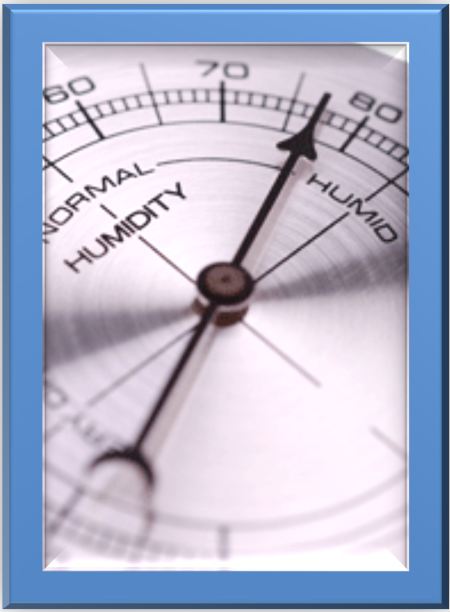
Florida Indoor Air Quality Humidity & IAQ
Maintaining relative humidity below 50% inhibits mold and mildew growth, dust mite infestations, and bacteria. This lower relative humidity also reduces the out-gassing of volatile organic compounds (VOC’s). Molds are incapable of obtaining the moisture needed for their development directly from the atmosphere, but they can obtain it from a substrate, which has absorbed moisture from moist air (60% to 100% relative humidity).
The relative humidity of the air has an indirect effect on fungal growth, and the more hygroscopic a material is, the more susceptible it is to mold growth. The minimum moisture content at which mold growth occurs depends on the material and usually ranges from 10% to 14%. Suitable substrates include carpet fibers, gypsum, concrete, bricks, etc.
Mold spores are everywhere all the time, entering from outdoor air as well as on pets and clothing. A mold spore landing on an indoor surface is likely to be insignificant and amount to little more than a common component of indoor dust, until such a mold spore lands on a moist organic surface (such as drywall.) High indoor humidity causes the surface moisture level to be sufficient for mold sporulation. Since a mold spore requires moisture to propagate and grow, the indoor humidity level is a key gating factor in the control of indoor mold (and dust mites) in buildings.
Certain common mold genera and species, such as some members of the Aspergillus sp. and others grow readily on common building materials if they also have enough moisture. While there are fungal species that are able to grow under a remarkably wide range of environmental conditions, keeping indoor humidity at the appropriate level will reduce the chances of growth of the most common indoor problem molds.
High indoor humidity can encourage more issues than indoor mold. The same moisture conditions that support growth of problematic indoor molds also encourage the development of bacterial hazards, dust mite populations, mite fecal allergen problem, and possibly other insect problems in buildings.
The same measures of humidity control to prevent mold growth are needed to discourage the dust mite population that exists in all living areas. Measures discussed in this article including choosing and maintaining the proper humidity level to avoid indoor mold will also work to minimize the level of dust mites and dust mite allergens.
Keep the indoor humidity level in the mid-comfort range. A maximum indoor relative humidity of 50% RH may be acceptable, 45% RH better. At 60% indoor RH, we’re entering the indoor mold-formation risk zone of high interior moisture in building wall or ceiling cavities or on wall and floor surfaces, possibly conducive to mold growth.
John Lapotaire
Florida Indoor Air Quality Solutions
www.FloridaIAQ.com
Share this with the #IAQS:
Leave a Comment » | Commercial IAQ, Residential IAQ | Tagged: air quality, ASTM, Chapter 468, ciec, Department of Business and Professional Regulation, Florida DBPR, Florida Statutes, free mold inspection, HB 4171, HB 5005, HB 5007, healthy home, House Bill 713, IEQ 3.2, IESO, IICRC, indoor air quality, Indoor Environmental Standard Organization, john lapotaire, John P. Lapotaire, LEED, microshield, mold, mold inspection, mold pretreatment, mold prevention, mold remediation, mold removal, mold testing, Mold-Related Services Licensing Program, new home mold, Part XVI, PCB BCAS 11-01, Residential Mold Assessment, SB 1244, Senate Bill 2234, USGB | Permalink
Posted by John P. Lapotaire, CIEC
April 3, 2013
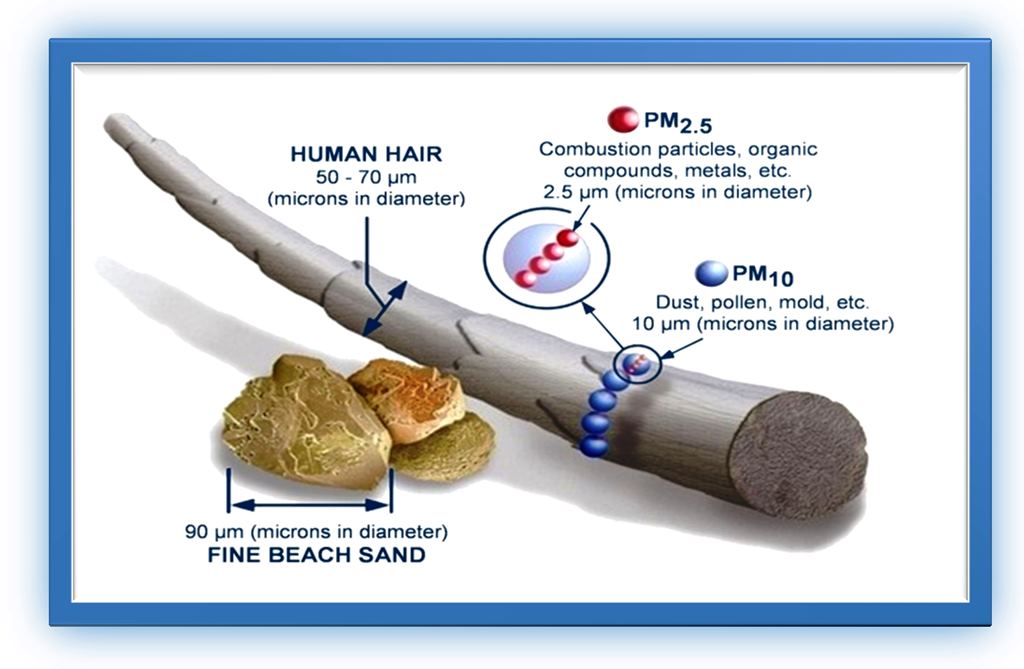
Particle pollution, also called particulate matter or PM, is a complex mixture of extremely small particles and liquid droplets in the air. When breathed in, these particles can reach the deepest regions of the lungs. Exposure to particle pollution is linked to a variety of significant health problems such as asthma.
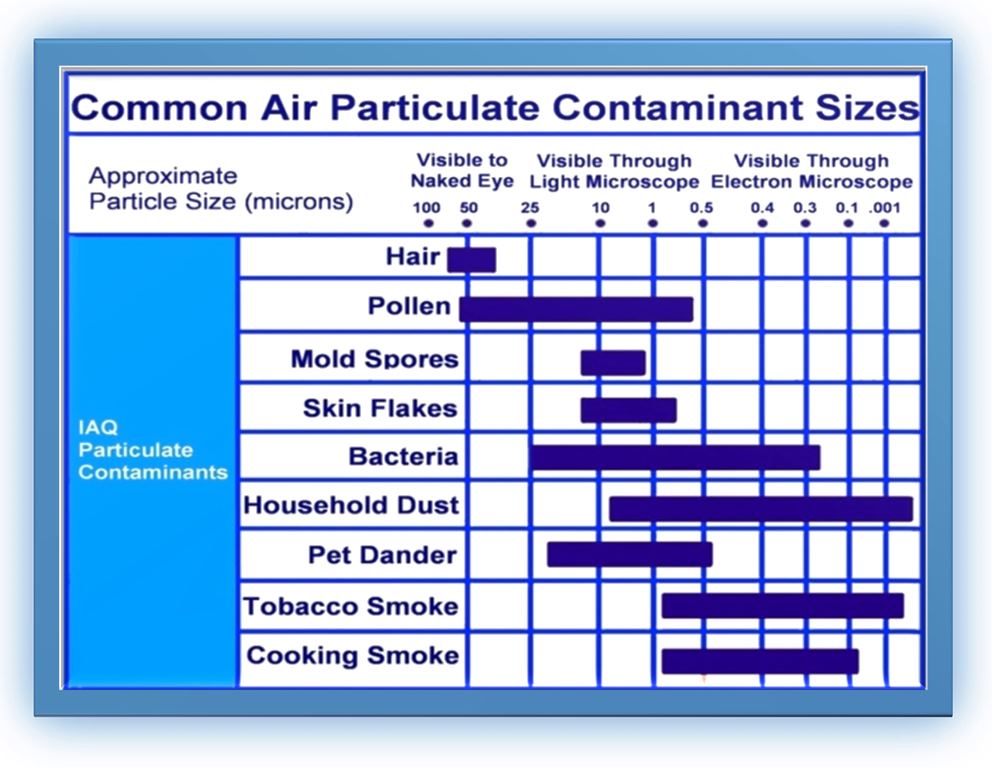
Particulates are a mixture of organic and inorganic substances suspended in the air. They can be solids and/or liquids and exist in a range of sizes. Particulate size is measured in micrometers (µm), one millionth of a meter. The EPA refers to different groups of particulates that include:
- Total suspended particulates (TSP) – representing the range of particulate matter normally found in the urban atmosphere. TSP generally includes from 1µm to 50µm.
- PM10 – refers to particulate matter of less than 10m m in diameter. PM10 is generally considered the most useful particulate measure. Particles less than 10µm in diameter can be inhaled and have the potential to reach the tracheo-bronchial region of the lung.
- PM2.5 – comprises of fine particulate matter less than 2.5µm in diameter. Particles of this size are capable of deep lung penetration.
- Total suspended particulates (TSP) – representing the range of particulate matter normally found in the urban atmosphere. TSP generally includes from 1µm to 50µm.
The Occupational Safety and Health Administration have a recommendation for 8 hour exposure for particles in the .3 µm size which is a recommended 0-40,000 particles/cc this is found in the OSHA Technical Manual.
Particulate Reduction;
The goal of improving the Indoor Air Quality is going to begin with particulate reduction. Particulate matter (PM) is the name for a wide range of particles that are small enough to be carried by the air, therefore; breathed in by people. They can be solid or liquid, or a mixture of both.
The size of particles may range from 0.005 µm to 100 µm in diameter. In comparison, the average size of a human hair is 60 µm. PM10 are particles that are 10 µm or less in diameter. PM2.5 are particles of 2.5 µm or less in diameter. The finer particles pose the greatest threat to human health because they can travel deepest into the lungs.
Indoor particulate matter is a mixture of substances like these:
- Carbon (soot) emitted by combustion sources;
- Tiny liquid or solid particles in aerosols;
- Fungal spores;
- Pollen; and
- A toxin present in bacteria (endotoxin).
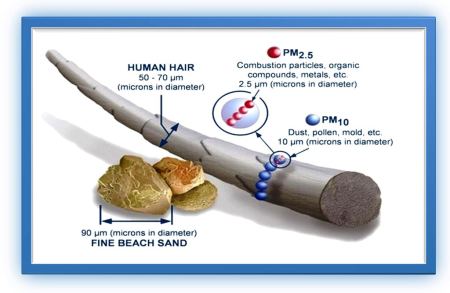
In a properly-maintained home, most of the airborne particulate matter comes from the outside. However, some homes do have significant sources of indoor particulate matter which come from the following sources:
- Cigarette smoking is the greatest single source of particulate matter in homes and buildings where people smoke;
- Cooking: especially frying and sautéing;
- Malfunctioning combustion appliances: for example, furnaces without a proper air filter;
- Non-vented combustion appliances like gas stoves;
- Wood-burning appliances like wood stoves and fireplaces: especially if the smoke leaks or back drafts into the home; and
- Mold growth.
Reducing concentrations of particulate matter in your home;
- Furnaces and ventilation systems: Make sure that furnaces and ventilation systems are properly maintained, and that you replace filter screens as often as recommended by the manufacturer. All combustion appliances, including furnaces, should be inspected by a qualified technician yearly.
- Cooking: Turn your exhaust fan on when you are cooking, and especially when frying.
- Woodstoves: Choose properly sized woodstoves and make sure that the doors close tightly. Have your chimney cleaned yearly, too.
- Mold: Prevent mold growth and the release of mould spores into your indoor air by controlling humidity and fixing water leaks and water-damaged areas
- Smoking: Don’t allow people to smoke indoors because particulate matter levels increase with every smoker in the building.
- Clean: Use your HEPA vacuum cleaner regularly.
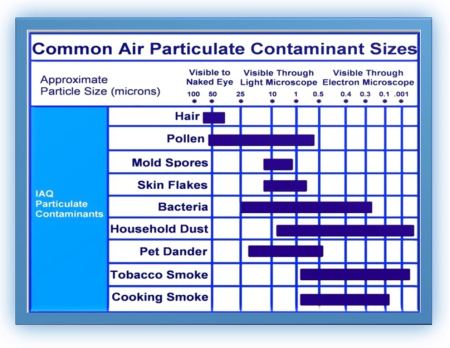
Your vacuum cleaner, as a general rule, is really only efficient at trapping particles that have settled onto the floor or whatever surface you’re vacuuming. Even many room air cleaners are of limited effectiveness in typical building environments, because every time someone walks across a room, opens a door or window, or flips on the central air handling home, thousands if not millions of superfine particles are introduced into the breathing space as the room air is disturbed or exchanged. Since portable air cleaner airflow rates are often fairly low in relation to the rate of room contamination, many people with portable air cleaners may still end up breathing more dust than they realize.
How can you stop or prevent dust? Well, you can’t, at least not completely, since even humans produce their own organic dust and the surfaces within the building are also constantly “shedding” micro-particles. Of course, you can make sure you have good entrance matting in place, so outdoor contaminants and dusts are not tracked in as much. You can also try to cleanup or contain other sources of fine particles (e.g., paper dust from tissue boxes, dirty air ducts or HVAC filters, etc.) Finally, you can make sure that the processes you use to clean your homes removes rather than redistribute dust as much as possible. This would include vacuuming surfaces with an HEPA (high efficiency particulate air) filtered vacuum cleaner. Use HEPA vacuum cleaners or high efficiency vacuum cleaner bags. These dramatically reduced the amount of dust, allergen and pollens pumped back into the air by the vacuum cleaner.
John Lapotaire, CIEC
Florida Indoor Air Quality Solutions, IAQS
Share this with the #IAQS:
1 Comment | Commercial IAQ, Residential IAQ | Tagged: air quality, ASTM, Chapter 468, ciec, Department of Business and Professional Regulation, Florida DBPR, Florida Statutes, free mold inspection, HB 4171, HB 5005, HB 5007, healthy home, House Bill 713, IEQ 3.2, IESO, IICRC, indoor air quality, Indoor Environmental Standard Organization, john lapotaire, John P. Lapotaire, LEED, microshield, mold, mold inspection, mold pretreatment, mold prevention, mold remediation, mold removal, mold testing, Mold-Related Services Licensing Program, new home mold, Part XVI, PCB BCAS 11-01, Residential Mold Assessment, SB 1244, Senate Bill 2234, USGB | Permalink
Posted by John P. Lapotaire, CIEC
April 2, 2013
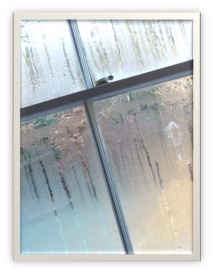
Window Condensation Florida Indoor Air Quality Solutions IAQS
Each winter more and more homeowners become interested in the subject of window condensation. It’s not a happy interest. It stems from bad experiences with window condensation, which range from irritating to downright expensive.
Many home owners seem to believe that it’s a windows problem, a cheap or single pane window issue. They call their builder or the window supplier and say, “My windows are all wet, and it must be the fault of the builder or the windows.” Well, not quite… Water on windows is condensation, and it can be a problem. However, it’s not a window problem, and the solution does not come from the windows.
It may strike you as odd, but the growing condensation problems of the nation are caused by progress and improvements in the construction of your home. Yes, if you have trouble with window condensation it’s probably because you live in a “tight” modern home that you can heat and cool for a fraction of the cost it took to heat and cool the house your parents lived in.
This article explains the moisture problems of the “tight” home that lead to window condensation. It offers suggestions for curing condensation problems in existing homes and provides suggestions for those who are planning on building a home. Your new home will be a “tight” home and there are more changes or upgrades that you can add to the home during construction that will help to prevent excessive moisture. This can be a bit more difficult in an existing home where the problem already exists.
What Causes “Excessive” Condensation?
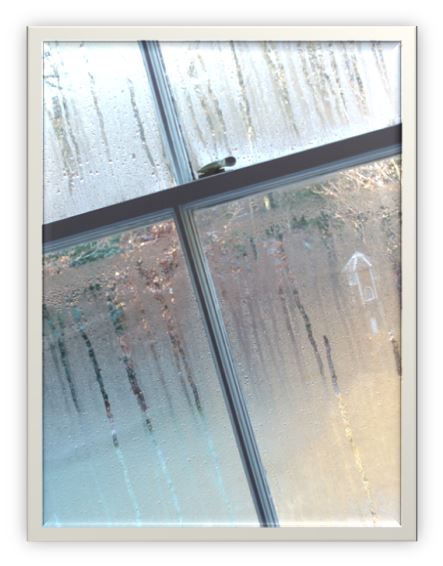
Condensation is the result of high humidity that produces a “fog” once it hits a colder surface. The humidity is caused by excess water vapor in the home. This is commonly seen in a foggy mirror after a hot shower. Condensation usually occurs first on windows because glass surfaces have the lowest temperature of any of the interior surfaces in the home.
A little condensation on the lower corners of your windows now and then probably doesn’t bother you and shouldn’t. By the time you’ve thought about it a second time it has usually gone.
What we’re talking about is excessive condensation, condensation that runs down the windows and pools on the sills, condensation that runs off windows and stains woodwork… or in serious cases even damages the walls and possibly the floors.
If you have this kind of condensation on your windows, you have a good reason to worry and a good reason to act.
It’s natural and easy in such cases to blame the builder or the windows. But it’s wrong to blame them.
The real villain is invisible. Its water vapor…too much water vapor. The best and usually the ONLY way to prevent this trouble is to get rid of excess water vapor.
If you have too much water vapor (humidity) in your home there isn’t anything you can do to the windows to stop condensation.
What is Humidity?
Humidity, water vapor, moisture, steam, they’re all the same. They’re all a form of water. Humidity is an invisible gas. It’s present in varying quantities in nearly all air. This moisture in wet air tries to flow toward drier air and mix with it to reach equilibrium.
Scientists describe the movement of water vapor as “vapor pressure’. It’s often a very powerful force indeed. It can act independently of the flow of the air, which holds the moisture. Vapor pressure can force moisture easily through wood, drywall, cement and brick. Right through most of the materials we use to build our homes. That’s exactly what happens when moisture seeks to escape from the humid air. The moisture is moving from an area of greater concentration to an area of lesser concentration.
Here in Florida, the hot humid south, the area of greater concentration is generally the exterior of the home. However during the winter the opposite is true. During the winter the exterior is dryer than the interior of your home. In addition you aren’t running the air conditioner which during the summer removes some of the indoor water vapor from the air.
So we have the same daily activities in the winter as the summer. We’re creating the same amount of water vapor but we’re not removing any of water vapor. So in the winter the humidity in our homes rises and the outdoor temperature and humidity lowers. And the result is condensation on your windows. The amount of condensation will be directly related to the amount of available water vapor or amount of indoor relative humidity.
Daily occupant activity such as cooking, washing, bathing, showers, as well as the use of household appliances such as dishwashers and clothes dryers and washing machines, all introduce water vapor into homes. Typical amounts of water vapor include:
- One person’s breathing produces 1/4 cup of water per hour.
- Cooking for a family of four produces approximately 5 pints of water in 24 hours.
- Showering puts 1/2 pint of water into the air.
- Bathing puts 1/8 pint of water into the air.
Adding only four to six pints of water to the air raises the relative humidity in a 1,000 square foot home from 15 to 60 percent, assuming the temperature is constant.
So you see that the modern family of four can easily release 150 pounds or more than 18 GALLONS of water per week into the air in their home!
Old drafty windows allow moisture to escape through inefficient seals and cracks. Today’s technology produces more energy efficient, “tighter” homes. This is great for keeping your home more comfortable, quieter, and cleaner, BUT by sealing your home you are also keeping moisture in. In today’s homes it is very easy to build up extremely high levels of humidity.
Since the 1970’s energy crisis we’ve been working very hard to create an energy efficient home. Part of that energy efficiency is to prevent air infiltration by sealing homes which has created the modern “tight” home. Moisture created by bathrooms, kitchens, laundry rooms and daily occupant activity no longer flows easily to the outside. Modern insulation and construction that keep the hot and cold air outside also keep moisture in; so, it is very easy to build up excessive and even harmful moisture levels in our homes. The condensation is a big red flag that you have way too much humidity trapped in your home.
How to Reduce Humidity
Be the Master of your Domain and take control of your indoor environment: For instance, venting all bath vents, clothes dryers, kitchen exhaust hoods to the exterior of your home. And of course you have to use your kitchen or bathroom exhaust fans. We strongly encourage you to consider purchasing or upgrading to bathroom exhaust fans that are humidity controlled. That’s right started and stopped automatically based on the amount of humidity in the bathroom.
Now, before we summarize specific steps for reducing humidity in your home, let’s include some basic data about recommended indoor relative humidity. You can refer to it if you are inclined to test the moisture levels in your own home.
Here are a few easy steps you can take to reduce condensation on your windows.
- Install a humidistat
- Do not install wallpaper on exterior or bathroom walls
- Do not place furniture in front of windows.
- Do not keep window coverings such as curtains and blinds fully closed
- Ensure that your bathroom exhaust fan is ducted to the exterior of your home
- Run your bathroom exhaust fan
- Run your bath exhaust fan some more
- If possible duct your kitchen exhaust fan to the exterior
- Run your kitchen exhaust fan while cooking
10. Ensure that your dryer vent is clean
You see, the basic principle of reducing window condensation is extremely simple. When there is too much condensation on your windows, it means that humidity is too high in your home. You should take necessary steps to reduce humidity until condensation disappears.
While we have been discussing the control of condensation we’ve mentioned just about everything except windows. There’s a good reason.
There just is nothing much that can be done with windows to cut down condensation. As the building experts have often pointed out, the windows are not to blame for condensation. In the moisture content of the inside air, lies both the cause and the cure.
John Lapotaire, CIEC
Florida Indoor Air Quality Solutions IAQS
www.FloridaIAQ.com
Share this with the #IAQS:
Leave a Comment » | Commercial IAQ, Residential IAQ | Tagged: air quality, ASTM, Chapter 468, ciec, Department of Business and Professional Regulation, Florida DBPR, Florida Statutes, free mold inspection, HB 4171, HB 5005, HB 5007, healthy home, House Bill 713, IEQ 3.2, IESO, IICRC, indoor air quality, Indoor Environmental Standard Organization, john lapotaire, John P. Lapotaire, LEED, microshield, mold, mold inspection, mold pretreatment, mold prevention, mold remediation, mold removal, mold testing, Mold-Related Services Licensing Program, new home mold, Part XVI, PCB BCAS 11-01, Residential Mold Assessment, SB 1244, Senate Bill 2234, USGB, Window Condensation Florida Indoor Air Quality Solutions IAQS | Permalink
Posted by John P. Lapotaire, CIEC
April 2, 2013
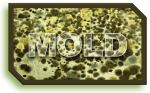
Florida Humidity Bloom Florida Indoor Air Quality Solutions IAQS
A humidity bloom is the growth of mold within a living space due to the elevation of indoor relative humidity at or above 60 percent relative humidity for a period of time greater than 72 hours and must be maintained for growth to continue. When the humidity is above 60 percent relative humidity, molds will germinate causing what is referred to as a mold bloom. These molds can bloom in many colors and are often confused with dust, dirt, foxing, or cobwebs.
Humidity for an extended period of time, typically in excess of 72 hours to initiate the bloom and must be maintained for growth to continue. When the humidity is above 60 percent relative humidity, molds will germinate causing what is referred to as a mold bloom. These molds can bloom in many colors and are often confused with dust, dirt, foxing, ghosting, or cobwebs.
Both active and inactive mold can have a distinctive smell, which most people describe as musty.
- Active mold in the early stages of a bloom has hair-like filaments in webs, which develop a more bushy appearance as the bloom matures. This is more easily seen under magnification. Active mold is soft and may smear when touched with a fine brush. It may also be slimy and damp.
- Inactive mold is dry and powdery and will seem to brush off materials readily.
Mold and mildew are words that refer to more than 100,000 species of fungi. Mold spores are present everywhere in our environment, generally in a dormant state where they do little damage. Spores require moisture to become active. They do not require light.
When water or high relative humidity provides the necessary moisture, dormant spores will germinate, grow fine web-like structures, and eventually produce fruiting bodies that release more spores. Most molds will germinate at 60 percent relative humidity. Increases in temperature can speed the growth rate of active mold.
There are 4 critical requirements for mold growth – available mold spores, available mold food, appropriate temperatures and considerable moisture. The removal of any one of these items will prohibit mold growth.
The only way to reduce the threat of mold in a home is to maintain an environment that is not hospitable for the germination of mold spores. The temperature should be 74-78 degrees F, and the relative humidity of 60% or less. It is important that the air conditioning system (HVAC) be kept on 24 hours a day, 7 days a week. Inconsistent operation or fluctuations in the temperature and humidity are the cause of many serious mold outbreaks.
Humidity
Humidity is simply vaporized water in the air. Your breath contains hundreds of droplets of invisible water vapor. You can see them when you breathe on a pair of cold glasses.
The term most often used to define the amount of water vapor in the air is “relative humidity.” Relative humidity is the percentage of water vapor in the air at a specific temperature, compared to the amount of water vapor the air is capable of holding at that temperature. Warm air holds more water vapor than cold air. When air at a certain temperature contains all the water vapor it can hold at that temperature, its relative humidity is 100 percent. If it contains only half the water vapor it is capable of holding at that temperature, the relative humidity is 50 percent.
If the outside air temperature in winter is 0°F and the relative humidity is 75 percent, that same air inside your 70°F home will have a four percent relative humidity. The Sahara Desert has an average relative humidity of 25 percent.
When air is saturated with water vapor, it has reached the dew point; at this point, water vapor condenses and produces visible water or “condensation.” In winter it usually occurs first on windows. When warm, moist air comes in contact with a cold window, air temperature drops and it can no longer hold the water vapor; condensation results.
Desirable Humidity Levels
The human body is comfortable when relative humidity ranges between 20 and 60 percent. In your home, an average relative humidity of 35 to 40 percent is appropriate when the outside temperature is 20°F or above. However, during cold weather, higher humidity ranges may cause structural damage because of condensation on windows and on the inside of exterior walls. As outdoor temperatures fall, condensation problems inside may develop.
The construction of a home also influences how much humidity is desirable. Tightly constructed buildings with properly installed vapor barriers and tight fitting doors and windows retain more heat and moisture. This is where mechanical ventilation becomes important. If a home does not have the proper mechanical ventilation, excess water vapor can move through walls and ceilings, causing wet insulation, peeling paint, and mold on walls and woodwork.
The following table shows recommended indoor humidity levels in relation to outdoor temperatures.
|
Outside temperature (0°F)
|
Recommended relative humidity
|
|
+20° and above
|
35% to 40%
|
|
+10°
|
30%
|
|
0°
|
25%
|
|
-10°
|
20%
|
|
-20°
|
15%
|
Maintaining relative humidity below 50% inhibits mold and mildew growth, dust mite infestations, and bacteria. This lower relative humidity also reduces the out-gassing of volatile organic compounds (VOC’s). Molds are incapable of obtaining the moisture needed for their development directly from the atmosphere, but they can obtain it from a substrate, which has absorbed moisture from moist air (60% to 100% relative humidity). The relative humidity of the air has an indirect effect on fungal growth, and the more hygroscopic a material is, the more susceptible it is to mold growth. The minimum moisture content at which mold growth occurs depends on the material and usually ranges from 10% to 14%. Suitable substrates include carpet fibers, gypsum, concrete, bricks, etc.
Mold spores are everywhere all the time, entering from outdoor air as well as on pets and clothing. A mold spore landing on an indoor surface is likely to be insignificant and amount to little more than a common component of indoor dust, until such a mold spore lands on a moist organic surface (such as drywall.) High indoor humidity causes the surface moisture level to be sufficient for mold sporulation. Since a mold spore requires moisture to propagate and grow, the indoor humidity level is a key gating factor in the control of indoor mold (and dust mites) in buildings.
Certain common mold genera and species, such as some members of the Aspergillus sp. and others grow readily on common building materials if they also have enough moisture. While there are fungal species that are able to grow under a remarkably wide range of environmental conditions, keeping indoor humidity at the appropriate level will reduce the chances of growth of the most common indoor problem molds.
High indoor humidity can encourage more issues than indoor mold. The same moisture conditions that support growth of problematic indoor molds also encourage the development of bacterial hazards, dust mite populations, mite fecal allergen problem, and possibly other insect problems in buildings.
The same measures of humidity control to prevent mold growth are needed to discourage the dust mite population that exists in all living areas. Measures including choosing and maintaining the proper humidity level to avoid indoor mold will also work to minimize the level of dust mites and dust mite allergens.
Keep the indoor humidity level in the mid-comfort range. A maximum indoor relative humidity of 50% RH may be acceptable, 45% RH better. At 60% indoor RH, we’re entering the indoor mold-formation risk zone of high interior moisture in building wall or ceiling cavities or on wall and floor surfaces, possibly conducive to mold growth.
John Lapotaire, CIEC
Indoor Air Quality Solutions, IAQS
http://www.FloridaIAQ.com
Share this with the #IAQS:
2 Comments | Commercial IAQ, Residential IAQ | Tagged: air quality, ASTM, Chapter 468, ciec, Department of Business and Professional Regulation, Florida DBPR, Florida Statutes, free mold inspection, HB 4171, HB 5005, HB 5007, healthy home, House Bill 713, IEQ 3.2, IESO, IICRC, indoor air quality, Indoor Environmental Standard Organization, john lapotaire, John P. Lapotaire, LEED, microshield, mold, mold inspection, mold pretreatment, mold prevention, mold remediation, mold removal, mold testing, Mold-Related Services Licensing Program, new home mold, Part XVI, PCB BCAS 11-01, Residential Mold Assessment, SB 1244, Senate Bill 2234, USGB | Permalink
Posted by John P. Lapotaire, CIEC
July 18, 2012
 More often than not, free comes with a hefty price that ends up costing far more than you thought it would and never has that been truer than in the mold business.
The safest thing consumers can do whenever the word “FREE” is used to sell a mold remediation job is to avoid that contractor all together. Think about it. No one is in business to do anything for free. Anyone offering something for free is doing so to sell you something else. While that may be fine when it comes to “buy one – get one free” deals offered on TV infomercials, in the mold business a free inspections and testing can end up costing you thousands of dollars for remediation work that may be grossly exaggerated or in some cases doesn’t need to be done at all.
The biggest mold scam is and always has been – mold remediation contractors who perform “FREE” mold inspections. When it comes to mold, you do NOT want a mold inspector who is motivated to find mold removal jobs for themselves.
Mold remediation is a very profitable business and engaging in both mold inspections and mold remediation is a serious conflict of interest. The potential for fraudulently creating thousands of dollars in bogus and unnecessary mold remediation work is tremendous and – unfortunately – an everyday occurrence in this industry.
This fraudulent practice of the mold remediation contractor securing work by providing “FREE” mold inspections then offering to remediate the mold is against the Law in the State of Florida.
Your Mold Remediator and Mold Inspector MUST be Licensed by the State of Florida. Under the Florida Licensing Law the Mold Remediator Cannot perform Mold Remediation on any job that he or she has performed the Mold Inspection.
This is the oldest mold scam in the mold remediation and restoration industry and it’s easy to pull off because most consumers don’t know enough about mold to realize when they’re being bamboozled into work that is often grossly exaggerated, and in some instances, not even necessary.
Beware of the mold remediation contractor that offers “Free” Mold Inspections and uses terms such as “Black Mold”, “Toxic Mold”, or “Toxic Black Mold”.
Those terms are a clear indication that the mold remediation contractor providing the “Free Mold Inspection” is using scare tactics to convince you that you need the mold remediation work for your immediate safety. Not likely.
To establish the presence of mycotoxins in any indoor environment the Licensed Mold Assessor would need to collect samples that would identify the species of mold. This cannot be accomplished with the collection of spore trap samples. The spore trap samples will only provide mold spore identification to the genus not the species. Or feline if you will and not house cat vs. Bengal tiger, Genus vs. species.
To identify the species of mold the Licensed Mold Assessor would need to collect either culturable (viable or living) or PCR samples.
Culturable must be collected using a pump, impactor, and agar plates. These samples are then sent to the laboratory and take time to grow and are more expensive than mold spore trap samples.
PCR, Polymerase Chain Reaction, is used to detect the DNA of the spore and is collected using a pump and a 3-piece PCR air-sampling cassette. PCR is even more expensive than the mold cultures and spore traps combined, but they are much faster than waiting for the culturable samples to grow.
It gets even more expensive when you realize that now that you’ve identified the mold in the indoor environment as a species that MAY produce mycotoxins you now have to determine if the potentially mycotoxin producing mold species actually produced any mycotoxins in the indoor environment being sampled. Whew!
Yes it takes much more than a “FREE Mold Inspection” to establish that you home or office has a mold that produced mycotoxins. It’s more likely that the mold remediation contractor offering the “FREE Mold Inspection” and using terms like “Black Mold”, “Toxic Mold”, or “Toxic Black Mold” is just trying to scare you into more mold remediation than you actually need.
No indoor environmental professional would ever use those term, ever! If they are being used you are being played. Ask the individual to stop using unprofessional scare tactics and leave.
Remember, Convenience Can Cost You.
Most people prefer to deal with one contractor for everything because it’s convenient. But when it comes to mold that convenience can end up costing you thousands of dollars in unnecessary repair work. There are enough reputable and Florida State Licensed Mold Inspectors who do not engage in remediation work to risk getting ripped off.
Remember a mold inspection should be completely unbiased. Mold inspectors should have no personal interest in how an inspection turns out, nor should they ever profit from what they find, either directly by doing the removal themselves, or indirectly by referring work to their friends for a kick-back.
The only way to ensure you will get an unbiased inspection report and avoid this mold scam is to hire a Florida State Licensed Mold Inspector who does not perform mold remediation. And always ask if they will be following the ANSI Approved S-520.
The S-520 Standard and Reference Guide for Professional Mold Remediation is procedural standard and reference guide for the remediation of mold damaged structures and contents. The S-520 is based on reliable remediation and restoration principles, research and practical experience.
The S520 provides a philosophical shift away from setting numerical mold contamination action levels. Instead, it establishes mold contamination definitions, descriptions and conditions (1, 2, 3), and general guidance, which, when properly applied, can assist remediators and others in determining criteria that trigger remediation activities or confirm remediation success.
Contaminated as the presence of indoor mold growth and/or spores, whose identity, location and amplification are not reflective of a normal fungal ecology for an indoor environment, and which may produce adverse health effects and cause damage to materials, and adversely affect the operation or function of building systems.
Condition 1 (normal ecology) – may have settled spores, fungal fragments or traces of actual growth whose identity, location and quantity is reflective of a normal fungal ecology for an indoor environment.
Condition 2 (settled spores) – an indoor environment which is primarily contaminated with settled spores that were dispersed directly or indirectly from a Condition 3 area, and which may have traces of actual growth.
Condition 3 (actual growth) – an indoor environment contaminated with the presence of actual growth and associated spores. Actual growth includes growth that is active or dormant, visible or hidden.
- John P. Lapotaire, CIEC
- Certified Indoor Environmental Consultant
- Microshield Environmental Services, LLC
- www.Microshield-ES.com
Share this with the #IAQS:
1 Comment | Commercial IAQ, Residential IAQ | Tagged: air quality, ASTM, Chapter 468, ciec, Department of Business and Professional Regulation, Florida DBPR, Florida Statutes, free mold inspection, HB 4171, HB 5005, HB 5007, healthy home, House Bill 713, IEQ 3.2, IESO, IICRC, indoor air quality, Indoor Environmental Standard Organization, john lapotaire, John P. Lapotaire, LEED, microshield, mold, mold inspection, mold pretreatment, mold prevention, mold remediation, mold removal, mold testing, Mold-Related Services Licensing Program, new home mold, Part XVI, PCB BCAS 11-01, Residential Mold Assessment, SB 1244, Senate Bill 2234, USGB | Permalink
Posted by John P. Lapotaire, CIEC
July 7, 2012
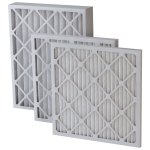 What is the Minimum Efficiency Reporting Value?
The Minimum Efficiency Reporting Value, also known simply as MERV, measures the performance of air purifiers, specifically large purifiers intended to clean an entire house or building. Large, whole-house purifiers are not evaluated in the same manner used to measure the effectiveness of small, portable air cleaners, which are sometimes given Clean Air Delivery Ratings (CADR) instead.
Whole house and building air purifiers usually receive MERV ratings of between 1 and 16, though the upper limit is sometimes extended to 20. Common residential air purification systems tend to fall within a narrower range. Higher numbers translate to more effective air filtration. According to the online encyclopedia Wikipedia, “The scale is designed to represent the worst case performance of a filter when dealing with particles in the range of 0.3 to 10 micrometers.”
MERV Rating Chart

Who Uses MERV Ratings?
The MERV rating system was initially created by the American Society of Heating, Refrigerating and Air-Conditioning Engineers (or ASHRAE for short) in 1987. However, this evaluation system was based on older methods that date back to 1968, when ASHRAE issued “Standard 52,” the first formal testing standard for filters. According to an article by engineer Donald Newell, the purpose of the Standard has not changed since its early days, and is designed to determine the following attributes of air filters:
• Particle removal capability
• Resistance to airflow
• Expected operating life
MERV ratings measure only the first quality, however. The MERV rating of an air cleaner is determined according to updated standards set by the ANSI/ASHRAE Standard 52.2-1999.
How is an Air Cleaner’s MERV Rating Determined?
Air cleaners are given MERV ratings based on the results of a series of tests. Simply put, the process works as follows:
1. Test particles are introduced into the air of the testing area. These particles fall into one of twelve categories, based on size. The smallest category contains particles ranging from .3 to .4 micrometers (also known as “microns”). The largest includes particles from 7 to 10 micrometers.
2. The air is then passed through the filter being tested. The density of particles in the air is measured before and after the air passes through the filter to determine how effective the filter is at removing pollutants in each size category.
After this is done, the process is repeated five more times, so that there are ultimately six measurements for each of the twelve categories. The MERV number is assigned based on the worst result. Hence the “minimum” in “Minimum Efficiency Reporting Value.”
What Does an Air Cleaner’s MERV Rating Mean for You?
A helpful chart detailing what MERV ratings mean can be found at http://www.mechreps.com/PDF/Merv_Rating_Chart.pdf. Of particular interest is the column detailing what types of pollutants are filtered out at each level.
Precise technical details will be less important to the average customer than an answer to the question, “What MERV ratings are acceptable for my home?” The United States Environmental Protection Agency provides some information on this matter. “Medium efficiency filters with a MERV of 5 to 13,” it states, “are reasonably efficient at removing small to large airborne particles. Filters with a MERV between 7 and 13 are likely to be nearly as effective as true HEPA filters at controlling most airborne indoor particles.” Furthermore, the EPA adds that “medium efficiency air filters are generally less expensive than HEPA filters, and allow quieter HVAC fan operation and higher airflow rates than HEPA filters since they have less airflow resistance.”
HEPA (High Efficiency Particulate Air) filters are the top-of-the-line air filters. Most homes are not capable of having whole-house HEPA filtration systems installed without extensive modification. Therefore, the EPA’s recommendation of filters with a MERV rating from 7 to 13 is something that potential customers should keep in mind.
The National Air Filtration Association gives a roughly similar answer. The highest range it recommends for residential systems is 9-12; higher numbers are said to be suited for hospitals or commercial buildings rather than homes.
Limitations of the MERV Rating System
An air cleaner’s MERV rating is based on its ability to filter out undesirable particles from the air. Not all indoor air pollution is particle-based, however. Gasses contribute significantly to pollution as well. The ability of an air purifier to remove particles is not predicative of its ability to remove gasses, so the MERV rating is not helpful in this regard.
Newell’s article cautions that air filters given the ASHRAE test “are likely to perform worse than predicted because of various installation conditions.” This is known as the “installation effect.” Therefore, it is important to remember that MERV ratings are assigned based on a purifier’s performance in carefully controlled testing conditions, and not the “real world.”
And finally, as stated above, MERV ratings are only relevant to large air cleaners intended to affect whole buildings. Common small portable air cleaners do not have MERV ratings.
Conclusion
The MERV rating system is a helpful way to describe the capabilities of different large air cleaners. It is determined through rigorous testing and is gives the worst-case performance of the filter, so the MERV number is not inflated. No one should forget to consider MERV ratings when shopping for such cleaners. There are, however, other factors to consider as well, so it would be a mistake to think that buying the right air filtration system is a simple matter of picking the unit with the highest MERV.
http://www.microshield-es.com/mervfilters.html
John P. Lapotaire, CIEC
Certified Indoor Environmental Consultant
Microshield Environmental Services, LLC
www.Microshield-ES.com
Share this with the #IAQS:
Leave a Comment » | Residential IAQ | Tagged: air quality, ASTM, Chapter 468, ciec, Department of Business and Professional Regulation, Florida DBPR, Florida Statutes, HB 4171, HB 5005, HB 5007, healthy home, House Bill 713, IEQ 3.2, IESO, IICRC, indoor air quality, Indoor Environmental Standard Organization, john lapotaire, John P. Lapotaire, LEED, microshield, mold, mold inspection, mold pretreatment, mold prevention, mold remediation, mold removal, mold testing, Mold-Related Services Licensing Program, new home mold, Part XVI, PCB BCAS 11-01, Residential Mold Assessment, SB 1244, Senate Bill 2234, USGB | Permalink
Posted by John P. Lapotaire, CIEC
July 7, 2012
 Indoor air pollutants are unwanted, sometimes harmful materials in the air. Indoor air pollution is among the top five environmental health risks. Usually the best way to address this risk is to control or eliminate the sources of pollutants, and to ventilate a home with clean outdoor air. The ventilation method may, however, be limited by weather conditions or undesirable levels of contaminants contained in outdoor air. If these measures are insufficient, an air cleaning device may be useful. Air cleaning devices are intended to remove pollutants from indoor air. Some air cleaning devices are designed to be installed in the ductwork of a home’s central heating, ventilating, and air-conditioning (HVAC) system to clean the air in the whole house. Portable room air cleaners can be used to clean the air in a single room or specific areas, but they are not intended for whole-house filtration. The following pages will provide information on different types of air cleaning devices and how they work.
Indoor Air Pollutants
Pollutants that can affect air quality in a home fall into the following categories:
•Particulate matter includes dust, smoke, pollen, animal dander, tobacco smoke, particles generated from combustion appliances such as cooking stoves, and particles associated with tiny organisms such as dust mites, molds, bacteria, and viruses.
•Gaseous pollutants come from combustion processes. Sources include gas cooking stoves, vehicle exhaust, and tobacco smoke. They also come from building materials, furnishings, and the use of products such as adhesives, paints, varnishes, cleaning products, and pesticides.
What Types of Pollutants Can an Air Cleaner Remove?
There are several types of air cleaning devices available, each designed to remove certain types of pollutants.
Particle Removal
Two types of air cleaning devices can remove particles from the air — mechanical air filters and electronic air cleaners. Mechanical air filters remove particles by capturing them on filter materials.
High efficiency particulate air (HEPA) filters are in this category. Electronic air cleaners such as electrostatic precipitators use a process called electrostatic attraction to trap charged particles. They draw air through an ionization section where particles obtain an electrical charge. The charged particles then accumulate on a series of flat plates called a collector that is oppositely charged. Ion generators, or ionizers, disperse charged ions into the air, similar to the electronic air cleaners but without a collector. These ions attach to airborne particles, giving them a charge so that they attach to nearby surfaces such as walls or furniture, or attach to one another and settle faster.
Gaseous Pollutant Removal
Gas-phase air filters remove gases and odors by using a material called a sorbent, such as activated carbon, which adsorbs the pollutants. These filters are typically intended to remove one or more gaseous pollutants from the airstream that passes through them. Because gas-phase filters are specific to one or a limited number of gaseous pollutants, they will not reduce concentrations of pollutants for which they were not designed. Some air cleaning devices with gas-phase filters may remove a portion of the gaseous pollutants and some of the related hazards, at least on a temporary basis. However, none are expected to remove all of the gaseous pollutants present in the air of a typical home. For example, carbon monoxide is a dangerous gaseous pollutant that is produced whenever any fuel such as gas, oil, kerosene, wood, or charcoal is burned, and it is not readily captured using currently available residential gas-phase filtration products.
Pollutant Destruction
Some air cleaners use ultraviolet (UV) light technology intended to destroy pollutants in indoor air. These air cleaners are called ultraviolet germicidal irradiation (UVGI) cleaners and photocatalytic oxidation (PCO) cleaners. Ozone generators that are sold as air cleaners intentionally produce ozone gas, a lung irritant, to destroy pollutants.
Ozone is a lung irritant that can cause adverse health effects.
•UVGI cleaners use ultraviolet radiation from UV lamps that may destroy biological pollutants such as viruses, bacteria, allergens, and molds that are airborne or growing on HVAC surfaces (e.g., found on cooling coils, drain pans, or ductwork). If used, they should be applied with, but not as a replacement for, filtration systems.
•PCO cleaners use a UV lamp along with a substance, called a catalyst, that reacts with the light. They are intended to destroy gaseous pollutants by converting them into harmless products, but are not designed to remove particulate pollutants.
•Ozone generators use UV light or an electrical discharge to intentionally produce ozone. Ozone is a lung irritant that can cause adverse health effects. At concentrations that do not exceed public health standards, ozone has little effect in removing most indoor air contaminants. Thus, ozone generators are not always safe and effective in controlling indoor air pollutants. Consumers should instead use methods proven to be both safe and effective to reduce pollutant concentrations, which include eliminating or controlling pollutant sources and increasing outdoor air ventilation.
Visit http://www.epa.gov/iaq/pubs/ozonegen.html for more information on ozone generators sold as air cleaners.
John P. Lapotaire, CIEC
Certified Indoor Environmental Consultant
Microshield Environmental Services, LLC
www.Microshield-ES.com
Share this with the #IAQS:
1 Comment | Residential IAQ | Tagged: air quality, ASTM, Chapter 468, ciec, Department of Business and Professional Regulation, Florida DBPR, Florida Statutes, HB 4171, HB 5005, HB 5007, healthy home, House Bill 713, IEQ 3.2, IESO, IICRC, indoor air quality, Indoor Environmental Standard Organization, john lapotaire, John P. Lapotaire, LEED, microshield, mold, mold inspection, mold pretreatment, mold prevention, mold remediation, mold removal, mold testing, Mold-Related Services Licensing Program, new home mold, Part XVI, PCB BCAS 11-01, Residential Mold Assessment, SB 1244, Senate Bill 2234, USGB | Permalink
Posted by John P. Lapotaire, CIEC
July 7, 2012
 Jason Earle. Founder and CEO of Mycelium Holdings LLC
Posted: 07/02/2012
With 50 Percent of Childhood Asthma Uncontrolled, Time to Look Homeward
“Despite available treatments, less than 50 percent of asthmatic children control their symptoms,” announced Prof. Nikos Papadopoulos, Chair of the International Consensus (ICON) on Pediatric Asthma, two weeks ago at The European Academy of Allergy and Clinical Immunology (EAACI) 31st Annual meeting, Geneva, Switzerland.
As a childhood asthmatic, and someone who has long worked with families to regain control of their indoor air, that number nearly knocked me off my chair.
Granted, many of the worst cases of asthma exist in developing nations where there is, sadly, little anyone can do about it. This is largely due to substandard living conditions and poor education, compounded by inadequate medical care. When people cook over unventilated open flames indoors, asthma is bound to rear its ugly head. Combine that with a whole host of other variables and you have yourself an epidemic.
But more disconcerting are the cases here in our own backyard, where we have the ability to do something about it, yet we’re still not doing all that can be done.
It’s well known there are higher concentrations of asthmatics in urban environments, especially in close proximity to highways, but asthma is an equal opportunity ailment. It affects people across the whole human spectrum, with kids being the hardest hit.
While medications are an important part of controlling symptoms — they save lives every single day — one of the most overlooked aspects of asthma prevention is the home environment, where many children spend most of their time. In essence, asthma = inflammation + irritation. Most of the irritants that trigger asthma symptoms are avoidable, and really have no place in a healthy home.
-Dampness of any sort, which invariably leads to:
•Mold growth
•Dust mites
•Pests
– Noxious chemical cleaners
– Air fresheners
– Candles
– VOCs
– Cigarette smoke (does this even need to be said?)
– Carpet in the basement (yes, I know, it’s common, but so are most mistakes)
– And much, much more.
I’ve written about this in the past. Here’s a a piece I did about spring cleaning that elaborates on these items in greater detail, if you’re so inclined to dig deeper.
There was a time when doctors made house calls. These have been supplanted by eight-minute clinic visits. Symptoms are discussed, but underlying causes are rarely explored. Physicians simply have no practical way to know what’s going on in the home, nor do they have the time to pursue it. While numerous studies have been done proving the positive impact of custom, home-based environmental interventions directed at educating the affected and reducing asthma triggers indoors, it has not been done consistently on a large scale.
Interestingly, the CDC Community Preventive Services Task Force put out a report late last year in which they recommend these home-based initiatives. The report cited extensive data showing that a relatively small investment in these programs can yield significant health care savings, reduce the number of missed school days, increase the productivity of the parents who would otherwise miss work to care for their children and, of course, improve quality of life for the whole family.
The average person spends more than 90 percent of every day indoors, yet we hear relatively little in the media about what we’re doing to our indoor environment. Buildings are built tighter to save energy, while a dizzying array of pollutants accumulate indoors, all helping to steadily increase the reach and cost of a disease that should already be on the decline. It’s part of our modern condition.
There is much that can be done at relatively low cost. Most synthetic cleaning products, for example, can be swapped for natural versions (many of which work better!); air fresheners can be jettisoned in favor of HEPA air purifiers and HEPA vacuum cleaners, and pillows, mattresses and bedding can be fitted with allergen encasements. Some homes require professional help, especially those with serious moisture, mold or pest problems, but a great percentage will benefit from minor to moderate interventions.
The home environment is what I call the last mile in asthma treatment and prevention. It is where education and awareness can help turn the asthma juggernaut around, and where more attention needs to be directed. The solutions to much of this suffering are hiding in plain sight.
John P. Lapotaire, CIEC
Certified Indoor Environmental Consultant
Microshield Environmental Services, LLC
www.Microshield-ES.com
Share this with the #IAQS:
Leave a Comment » | Residential IAQ | Tagged: air quality, ASTM, Chapter 468, ciec, Department of Business and Professional Regulation, Florida DBPR, Florida Statutes, HB 4171, HB 5005, HB 5007, healthy home, House Bill 713, IEQ 3.2, IESO, IICRC, indoor air quality, Indoor Environmental Standard Organization, john lapotaire, John P. Lapotaire, LEED, microshield, mold, mold inspection, mold pretreatment, mold prevention, mold remediation, mold removal, mold testing, Mold-Related Services Licensing Program, new home mold, Part XVI, PCB BCAS 11-01, Residential Mold Assessment, SB 1244, Senate Bill 2234, USGB | Permalink
Posted by John P. Lapotaire, CIEC












 Indoor Air Quality Solutions, IAQS