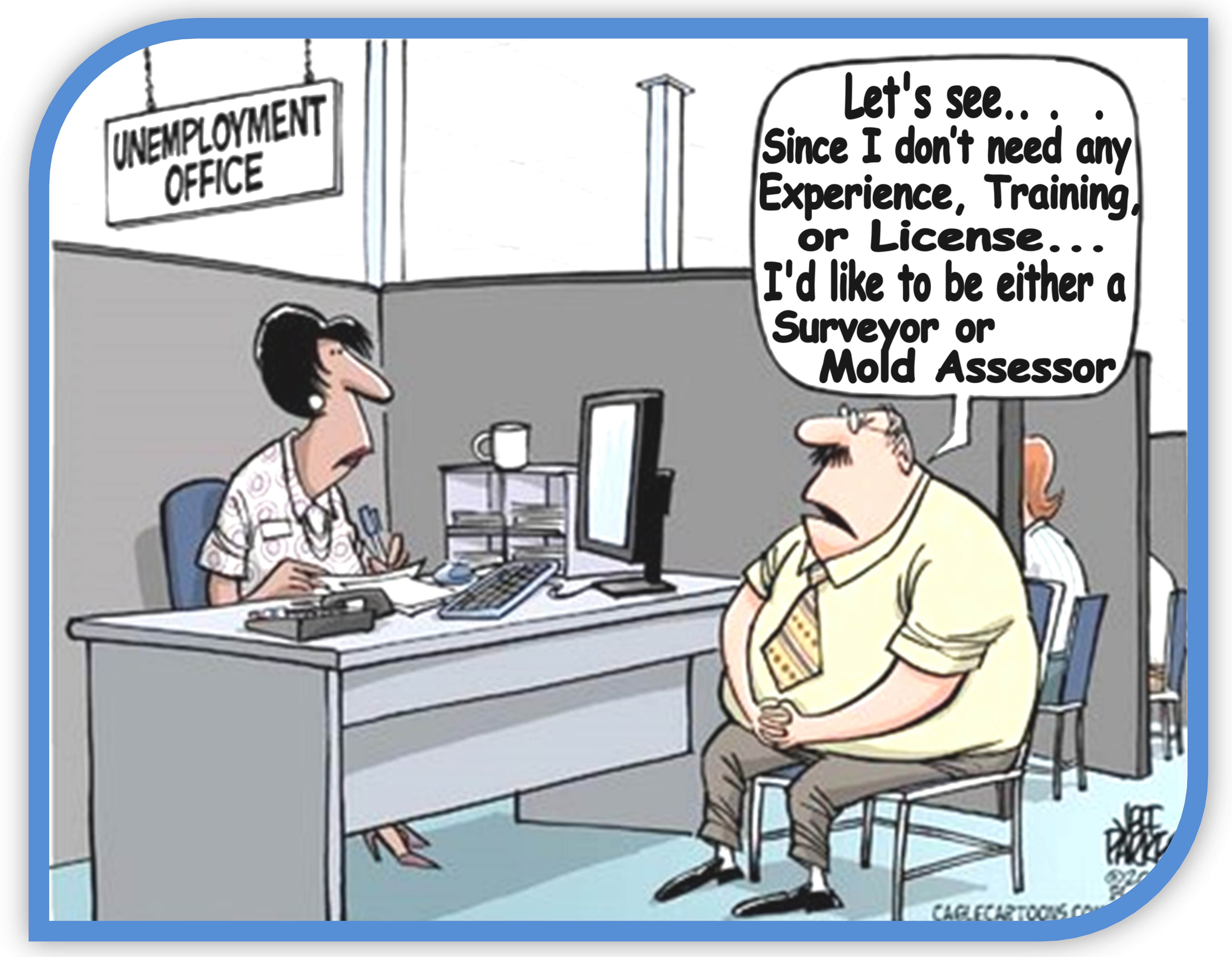
M.A.R.C. says NO to HB 5007 Update!

April 29, 2011

The Senate and House have begun the budget conference process in earnest.  The Senate has refused the amandment language in 3 seperate committee meetings.

 The conference committee met today at 12:45 with no change, once again, in the mold amendment. It’s a stalemate, which actually now gets bumped up to the budget chairs: Sen. JD Alexander and Rep. Denise Grimsley.

Dan Pollock has done a great job this session on behalf of M.A.R.C. of Florida but there is still work to be done.

We have a need for contributions and emails sent from as many as possible to both  Sen. JD Alexander and Rep. Denise Grimsley.

Please email or send the suggested message which is attached.

Your email subject should be “NO to HB 5007”


——————————————-

SAMPLE LETTER

——————————————

__________, 2011

Dear Sen. JD Alexander and Rep. Denise Grimsley.

As the conference process continues I am writing to you with my concerns regarding HB 5007.

Please do not make changes to the regulations of Mold Assessors and Remediators.

The changes in HB 5007 remove training that is necessary to perform these services correctly. In fact, the removal of such training is contrary to OSHA requirements.

This Act passed virtually unanimously in 2007 and is only now coming into its effective date. Let’s let the law work and give consumers recourse and confidence that they will be working with licensed and trained professionals.

Please oppose this bill.

Thank you.


Alexander.jd.web@flsenate.gov,

denise.grimsley@myfloridahouse.gov

John P. Lapotaire, CIEC
•  Certified Indoor Environmental Consultant
•  Microshield Environmental Services, LLC
www.Microshield-ES.com


M.A.R.C. takes the HB 5007 fight to the Budget Conference

April 28, 2011

The Senate and House have begun the budget conference process in earnest.

Sen. Dennis Jones and Senator Steve Wise who had originally passed the legislation regarding the Mold Inspection and Remediation licensure statutes have All vowed to help us derail the requirements and the new grandfathering periodHowever we need to keep making contacts with those I listed.  

I  also attach for  you the list of persons on the House and Senate Budget conference Committee and the House Natural Resources committee members  who should also  be contacted at this time.

Please email or send the suggested message which is attached.

The list and contact information is also attached.

——————————————-

SAMPLE LETTER

——————————————

__________, 2011

Dear (insert name from below list here)

As you begin the conference process I am writing to you with my concerns regarding HB 5007.  As a conforming bill, this bill would virtually eliminate the educational requirements for mold remediators and mold assessors.  It would also grandfather mold assessors and remediators for an additional period of time allowing marginally qualified persons, as well as untrained Home Inspectors, to become licensed.

This bill as a streamlining of regulations has never been heard in the senate and leaves home owners and business owners open to the fraud and unprofessional practices experienced until the profession was regulated.  With many drywall problems unresolved, now is not the time to leave the public unprotected.

Please oppose this bill or strike the mold assessor and remediation language from the bill.

Please contact me or Gene Adams at (850) 222-3533, our lobbyist, should you have any questions.

Cordially,

Senate Budget Subcommittee or General Government Appropriations

Hays, Alan (Chair)

324 Senate Office Building

Tallahassee, FL 32399

(850) 487-5014

Hays.alan.web@flsenate.gov

 Charlie Dean

302 SOB

Tallahassee, FL 32399

(850) 487-5017

Miguel Diaz de la Portilla

312 Senate Office Building

Tallahassee, FL 32399

(850) 487-5109

 Dennis Jones

408 SOB

Tallahassee, FL 32399

(850) 487-5065

 Jeremy Ring

210 SOB

Tallahassee, FL 32399

(850) 487-5094

{representative list} 

 Professional Deregulation

Rep. Dorothy Hukill

204 House Office Bldg.

Tallahassee, FL 32399

(850) 488-6653

House Agriculture & Natural Resources Appropriations Subcommittee

Rep. Trudi Williams, Chair

222 The Capitol

Tallahassee, FL 32399

(850) 488-2047

Rep. Ben Albritton

1301 The Capitol

Tallahassee, FL 32399

(850) 488-9476

Rep. Frank Artiles

1102 The Capitol

Tallahassee, FL 32399

(850) 488-9550

Rep. Leonard Bembry

405 House Office Building

Tallahassee, FL 32399

(850) 488-7870

Rep. Steve Crisafulli

303 House Office Bldg.

Tallahassee, FL 32399

(850) 488-4669

Rep. Tom Goodson

1101 The Capitol

Tallahassee, FL 32399

(850) 488-3006

Rep. Clay Ingram

1301 The Capitol

Tallahassee, FL 32399

(850) 488-8278

Rep. Elizabeth Porter

1301 The Capitol

Tallahassee, FL 32399

(850) 488-9835

Rep. Patrick Rooney, Jr.

1301 The Capitol

Tallahassee, FL 32399

(850) 488-0322

Rep. Franklin Sands

300 House Office Bldg.

Tallahassee, FL 32399

(850) 488-0590

 ———————– 

SENATORS FROM OUR LAST EMAIL:

Alexander, JD (Chair)

412 SOB

404 S. Monroe Street

Tallahassee, FL 32399-1100

Alexander.jd.web@flsenate.gov

(850) 487-5044

Negron, Joe (Vice Chair)

306 SOB

404 S. Monroe Street

Tallahassee, FL 32399-1100

Negron, joe.web@flsenate.gov

(850) 487-5088

Altman, Thad

314 SOB

404 S. Monroe Street

Tallahassee, FL 32399-1100

Altman.that.web@flsenate.gov

(850) 487-5053

Benacquisto, Lizbeth

326 SOB

404 S. Monroe Street

Tallahassee, FL 32399-1100

Benacquisto.lizbeth.web@flsenate.gov

(850) 487-5356

Bogdanoff, Ellyn Setnor

212 SOB

404 S. Monroe Street

Tallahassee, FL 32399-1100

Bogdanoff.ellyn.web@flsenate.gov

(850)487-5100

Fasano, Mike

406 SOB

404 S. Monroe Street

Tallahassee, FL 32399-1100

Fasano.mike.web@flsenate.gov

(850) 487-5062

Flores, Anitere

316 SOB

404 S. Monroe Street

Tallahassee, FL 32399-1100

Flores.anitere.web@flsenate.gov

(850) 487-5130

Gaetz, Don

420 SOB

404 S. Monroe Street

Tallahassee, FL 32399-1100

Gaetz.don.web@flsenate.gov

(850) 487-5009

Joyner, Arthenia

202 SOB

404 S. Monroe Street

Tallahassee, FL 32399-1100

Joyner.arthenia.web@flsenate.gov

(850) 487-5059

Lynn, Evelyn J.

416 SOB

404 S. Monroe Street

Tallahassee, FL 32399-1100

Lynn.evelyn.web@flsenate.gov

(850) 487-5033

Margolis, Gwen

414 SOB

404 S. Monroe Street

Tallahassee, FL 32399-1100

Margolis,gwen.web@flsenate.gov

(850) 487-5121

Montford, Bill

208 SOB

404 S. Monroe Street

Tallahassee, FL 32399-1100

Montford.bill.web@flsenate.gov

(850) 487-5004

Rich, Nan

208 SOB

404 S. Monroe Street

Tallahassee, FL 32399-1100

Rich.nan.web@flsenate.gov

(850) 487-5103

Richter, Garrett

322 SOB

404 S. Monroe Street

Tallahassee, FL 32399-1100

Richter.garrett.web@flsenate.gov

(850) 487-5124

Simmons, David

205 SOB

404 S. Monroe Street

Tallahassee, FL 32399-1100

Simmons.david.web@flsenate.gov

(850) 487-5050

Siplin, Gary

205 SOB

404 S. Monroe Street

Tallahassee, FL 32399-1100

Siplin.gary.web@flsenate.gov

(850) 487-5190

Sobel, Eleanor

222 SOB

404 S. Monroe Street

Tallahassee, FL 32399-1100

Sobel.eleanor.web@flsenate.gov

(850) 487-5097

Thrasher, John

400 SOB

404 S. Monroe Street

Tallahassee, FL 32399-1100

Thrasher.john.web@flsenate.gov

(850) 487-5030

Wise, Stephen R.

410 SOB

404 S. Monroe Street

Tallahassee, FL 32399-1100

Wise.stephen.web@flsenate.gov

(850) 487-5027


HB 5007 Update

April 18, 2011

Under current law, mold remediators must have an associates’ degree with 30 credit hours of microbiology, industrial hygiene or some other related science or a high school diploma and at least four years experience working for a licensed professional and pass a test before being eligible for a license.

The House proposal does away with all of the educational requirements and allows anyone with a high school degree who passes the test to remove mold from buildings and residences. It also scraps the current requirement that mold assessors and remediators be trained in water, mold and respiratory protection.

“Are they just going to dump bleach all over the place and hope for the best?” asked Rep. Irv Slosberg, D-Boca Raton.

But House Speaker Dean Cannon, R-Winter Park, called the deregulation proposals a balance.

“If government’s going to step in and regulate something to try and prevent wrongful behavior, whether it’s deceptive practices by a marketer or anything else, there’s a balance between the burden that places on men and women trying to do business and the evil you’re trying to prevent,” he said. “There is no perfect balance.”


M.A.R.C.’s fight to preserve the Current Mold Licensing Law moves to the Florida Senate.

April 13, 2011

The Florida House approved HB 5005 that would end the licensure and regulation of 14 professions; luckily Mold Related Services were removed from that bill via the mold services amendment Bill HB5007.

The Florida House did approved HB5007 that would amend the current Mold Licensing requirements Mold Related Services.  Before the bill can become a law it still needs to make it through the Senate.  The house quickly moved the “Hot Potato” amendment bill through the House and left it in the hands of the Senate.

HB Bill 5007 amends the current Florida Mold Licensing Law by:
1. Eliminating the education language requiring advanced education and would only require an applicant to possesses a high school diploma or its equivalent.
2. Eliminating any documented training in water, mold, and respiratory protection and would only require an applicant to pass the current approved licensing examination.
3. Eliminating the requirement of an applicant passing a certification examination offered by a nationally recognized organization and adds the phrase “or state”
4. Eliminates the training in water, mold, and respiratory protection requirement in section 468.8419 Prohibitions: penalties.-
5. Reduces the applicants experience requirement of 3 years to 1 year.
6. Reduces the number of mold assessments or remediation invoices prepared by the applicant from 40 to 10.

These proposed amendments to the current licensing law would reduce the license to nothing more than a tax on the industry.

Dan Pollock, M.A.R.C.’s voice on the hill, feels the Florida Senate may be unwilling to pass similar bills.  The Palm Beach Post reported today that Sen. John Thrasher, R-St. Augustine, a former House Speaker, was hesitant to eliminate or reduce laws protecting Florida consumers. He was quoted as saying, “To me, even as a conservative Republican, I still think there is room for some regulation, particularly when it impacts on the public.”

You can learn more about the bill and read it here:  http://www.flsenate.gov/Session/Bill/2011/5007

HELP support the Mold Industry by Supporting M.A.R.C. Mold Assessment & Remediation Coalition of Florida

Go to the M.A.R.C. website and give your support by Contributing to the fight to keep our current Licensing Law.

M.A.R.C. Mold Assessment & Remediation Coalition  of Florida

John P. Lapotaire, CIEC

•  Certified Indoor Environmental Consultant
•  Microshield Environmental Services, LLC
www.Microshield-ES.com


Florida’s Professionals – No Experience (or Education) Needed.

April 10, 2011

Florida Republicans have introduced H.B.5005 & 5007 to reduce or in most cases totally ELIMINATE ALL LICENSING & REGULATION

The key to the logic behind these mysterious bills is to discover WHICH specific item has been hidden in plain sight WITHIN the GROUP being deregulated that SOMEBODY thinks is worth selling the entire state down the river for.

The OTHER professions included in these bills represent, and have been successfully employed as, a diversionary smokescreen.

HB 5005 Relating to Deregulation of Professions and Occupations (2011 Session)

Deregulation of Professions and Occupations: Deletes provisions establishing Florida Board of Auctioneers & Motor Vehicle Repair Advisory Council, deletes provisions for regulation of yacht & ship brokers, auctioneers, talent agencies, athlete agents, persons practicing hair braiding, hair wrapping, or body wrapping, interior designers, professional fundraising consultants & solicitors, water vending machines & operators, health studios, ballroom dance studios, commercial telephone sellers & salespersons, movers & moving brokers, certain outdoor theaters, certain business opportunities, motor vehicle repair shops, sellers of travel, contracts with sales representatives involving commissions, & television picture tubes; revises name & membership of Board of Architecture; revises license classifications of public lodging establishments. Effective Date: July 1, 2011

04/07/11 HOUSE Read Third Time; Passed (Vote: 77 Yeas / 38 Nays);
Immediately Certified; Requests that the Senate pass the bill as passed by the House or agree to conference

HB 5007 Relating to Reducing and Streamlining Regulations (2011 Session)

Reducing and Streamlining Regulations: Revises various provisions relating to professions & occupations regulated by DBPR or DOACS, including distribution of motor vehicle consumer’s rights pamphlet; transfer of certain driver license information by DHSMV to DBPR; requirements for home inspectors, mold assessors & remediators, asbestos consultants & contractors & landscape architects; professional practice standards for real estate brokers & sales associates; criminal penalties for persons who violate orders or rules of Florida Real Estate Commission or Florida Real Estate Appraisal Board or persons who violate Florida Cosmetology Act or rules of Board of Cosmetology; continuing education requirements for reactivating licenses to practice certain regulated professions & occupations; licensure requirements for CPAs & firms; education requirements for licensed real estate brokers & sales associates; certification of business organizations practicing architecture or interior design; method of payment of certain fees; terminology for repossessor schools & training facilities; penalties for food safety violations committed by cottage food operations; exemptions for cottage food operations from food permitting requirements; regulation of public lodging & food service establishments & fire protection system contractors; department responsibility for Motor Vehicle Warranty Enforcement Act; & regulation of real estate appraisers & appraisal management companies. Effective Date: July 1, 2011

04/07/11 HOUSE Read Third Time; Passed (Vote: 80 Yeas / 38 Nays); Immediately Certified; Requests that the Senate pass the bill as passed by the House or agree to conferenc.

HB 5007 Relating to Reducing and Streamlining Regulations (2011 Session)

Reducing and Streamlining Regulations: Revises various provisions relating to professions & occupations regulated by DBPR or DOACS, including distribution of motor vehicle consumer’s rights pamphlet; transfer of certain driver license information by DHSMV to DBPR; requirements for home inspectors, mold assessors & remediators, asbestos consultants & contractors & landscape architects; professional practice standards for real estate brokers & sales associates; criminal penalties for persons who violate orders or rules of Florida Real Estate Commission or Florida Real Estate Appraisal Board or persons who violate Florida Cosmetology Act or rules of Board of Cosmetology; continuing education requirements for reactivating licenses to practice certain regulated professions & occupations; licensure requirements for CPAs & firms; education requirements for licensed real estate brokers & sales associates; certification of business organizations practicing architecture or interior design; method of payment of certain fees; terminology for repossessor schools & training facilities; penalties for food safety violations committed by cottage food operations; exemptions for cottage food operations from food permitting requirements; regulation of public lodging & food service establishments & fire protection system contractors; department responsibility for Motor Vehicle Warranty Enforcement Act; & regulation of real estate appraisers & appraisal management companies. Effective Date: July 1, 2011

04/07/11 HOUSE Read Third Time; Passed (Vote: 80 Yeas / 38 Nays); Immediately Certified; Requests that the Senate pass the bill as passed by the House or agree to conference

When something doesn’t smell right (and this one truly stinks) there’s usually a reason.

And it often entails a LOT of money changing hands.

BOVO INTRODUCES DISASTROUS DEREGULATION BILL, HANDS OFF THE TICKING TIME BOMB, THEN PROMPTLY RESIGNS TO RUN FOR A LOWER OFFICE.

Representative Esteban L. Bovo, Jr. (R-FL) suddenly resigned in the middle of the lawmaking session to run for the Miami-Dade County Commission. Bovo’s unusual mid-session departure leaves the House a member short, though the GOP will still hold a comfortable two-thirds majority in the chamber. He represents a solidly Republican district.

A couple of his bills will be shepherded through the remaining weeks of the session by other Miami-Dade lawmakers.

Speaking of BOVO, HB 5005, the bill HE INTRODUCED to lower or ELIMINATE state regulations on more than 20 industries, has been shifted off to Rep. Dorothy Hukill, R-Port Orange, who chairs the House Economic Affairs Committee.

Bovo entered politics as an aide to two former state lawmakers and to former Hialeah Mayor Raul Martinez*. Bovo failed in his first bid for legislative office in 1992, eventually making it onto the Hialeah City Council, and he joined the House a decade later, in 2008.

*MIAMI, March 26, 1991— A jury in Federal District Court today found Mayor Raul Martinez of the Miami suburb of Hialeah guilty of racketeering and extortion in the sale of his votes and influence on zoning matters in return for about $1 million in cash or property from developers. Mayor Martinez, who has been suspended from office since the charges were brought against him last year, faces up to 120 years in prison and up to $1.5 million in fines.

Hialeah politics has a long, and admittedly rather colorful history of corruption.

His key achievement as a legislator, Bovo said, was bringing horse racing back to historic Hialeah Park.

Bovo used to work as the park’s marketing director and lobbyist. He now lobbies for Miami Children’s Hospital.

Bovo abruptly left his post as state House of Representatives legislator — in the middle of the law-making session — to run for the county commission seat vacated by former Commissioner Natacha Seijas, who was tossed out of office in the same recall election that also ousted county Mayor Carlos Alvarez.

This alone should raise some very large red flags as to his motives. People with political aspirations generally climb up, not down, as this man is doing.

The key to the logic behind these mysterious bills is to discover WHICH specific item has been hidden in plain sight WITHIN the GROUP being deregulated that SOMEBODY thinks is worth selling the entire state down the river for.

The OTHER professions included in these bills represent, and have been successfully employed as, a diversionary smokescreen.

Read more: http://www.miamiherald.com/2011/03/25/2134237/state-lawmaker-bovo-resigns-to.html#ixzz1J4yHfA39

BOVO’s VOTING RECORD in Florida House of Representatives:

Current Office: State House
Current District: 110
Party: Republican

BiographicalVoting RecordIssue Positions
(Political Courage Test)Interest Group RatingsCampaign Finances

Business and Consumers

2010 Representative Bovo supported the interests of the Associated Industries of Florida 92 percent in 2010.

2010 Representative Bovo supported the interests of the Associated Industries of Florida – Lifetime 91 percent during their legislative career up until 2010.

2010 Representative Bovo supported the interests of the Florida Chamber of Commerce 87 percent in 2010.

2009 Representative Bovo supported the interests of the Associated Builders and Contractors 100 percent in 2009.

2009 Representative Bovo supported the interests of the Associated Industries of Florida 90 percent in 2009.

2009 Representative Bovo supported the interests of the Associated Industries of Florida – Lifetime 90 percent during their legislative career up until 2009.

2009 Representative Bovo supported the interests of the Florida Chamber of Commerce 75 percent in 2009.

Conservative

2009 Representative Bovo supported the interests of the Christian Coalition of Florida 78.6 percent in 2009.

Gun Issues

2010 In 2010 the National Rifle Association Political Victory Fund gave Representative Bovo a grade of A.

Labor

2009 Representative Bovo supported the interests of the Florida AFL-CIO 0 percent in 2009.


SOURCE: BOVO record: http://www.votesmart.org/issue_rating_category.php?can_id=73705


Palm Beach Post 04/08/11
House passes bills eliminating, reducing state licensing requirements for professions:
http://www.palmbeachpost.com/news/state/house-passes-bills-eliminating-reducing-state-licensing-requirements-1384356.html


Mold Industry Professionals Now is the time to step up and take action. Say No to HB 5007

April 3, 2011

Microshield - FL - HB - 5007 - 5005As with any professional industry it’s vital that the interests of the Mold Industry and the Florida Consumers “our clients” be represented before our state lawmakers and officials. M.A.R.C. has secured the services of a Pollock and Associates to monitor and counsel us in areas of Florida legislative issues, political strategy, and rulemaking that involve the Mold Industry.

The Professional Mold Assessor must take a stand. Licensing which is a curse for some and a blessing for others is on the cusp of being reduced to nothing more than a state fee.  If the proposed amendment makes it through then anyone can become a licensed mold assessor or remediator including unqualified professions/trades without training.

Because abuses were rampant and Florida was known as the place where con artists and criminals could prey on Floridians who are rebuilding their hurricane-damaged homes and businesses FEMA warned Floridians to be alert for contractors and repair services that engage in fraud and prey on vulnerable disaster victims.

Many illegitimate contractors drive long distances to reach a disaster area to seek customers who are overstressed and eager to have their homes restored.  The current Mold Licensing Law would close the door of opportunity on these scam artist.

Floridians need Licensed Mold Professionals and Consumer Protection!

Say No to the Repeal of the Current Mold Licensing Law!

HB Bill 5007 amends the current Florida Mold Licensing Law by:

1. Eliminating the education language requiring advanced education and would only require an applicant to possesses a high school diploma or its equivalent.

2. Eliminating any documented training in water, mold, and respiratory protection and would only require an applicant to pass the current approved licensing examination.

3. Eliminating the requirement of an applicant passing a certification examination offered by a nationally recognized organization and adds the phrase “or state”

4. Eliminates the training in water, mold, and respiratory protection requirement in section 468.8419 Prohibitions: penalties.-

5. Reduces the applicants experience requirement of 3 years to 1 year.

6. Reduces the number of mold assessments or remediation invoices prepared by the applicant from 40 to 10.

HELP support the Mold Industry by Supporting M.A.R.C. Mold Assessment & Remediation Coalition of Florida

Go to the M.A.R.C. website and give your support by Contributing to the fight to keep our current Licensing Law.

M.A.R.C. Mold Assessment & Remediation Coalition  of Florida


John P. Lapotaire, CIEC
•  Certified Indoor Environmental Consultant
•  Microshield Environmental Services, LLC
www.Microshield-ES.com


HB 5005 would open Florida to abuses from the past

April 3, 2011

Microshield - FL HB - 5007 - 5005by: Charlotte Greenbarg

My rabbi in Ohio, where we lived before moving to Florida, asked our class, “Why these Ten Commandments?” Our spirited discussion led us to the answer: Because it’s what the people were doing at the time. The Commandments spoke to the existing evils.

Our legislators would do well to remember that lesson. Why these regulations? Because abuses were rampant and Florida was known as the place where con artists and criminals preying on associations had their dreams come true. The situation was outrageous and unacceptable.

Association boards were being hijacked by those who looked at the positions as profit centers for their personal gain. Elections were rigged. Unscrupulous managers worked in collusion with corrupt boards. Convicted felons and others were managing and bleeding associations dry. Honest, victimized unit owners had no place to appeal to but the courts, a really expensive, time-consuming alternative paid for by all the taxpayers, clogging the already burdened system.

Barbara Zee, Legislation Chair for the Delray Alliance put it very well: “We are fortunate to know some excellent, professional people who are property managers, but I have heard of others who sold their services to the unsuspecting who were buying price, and it ended-up costing associations due to lack of governmental/organizational requirements of the manager and his/her lack of knowledge and experience. There is a reason and necessity for continuing education in certain industries. Another example of a problem with the un-licensed is the mitigation home inspector. Before the requirement for training/license, there were many out there doing their job without a clue; and the insurers jumped on their mistakes to undo the providing of credits. Same goes for the vast numbers of unlicensed public adjusters who took advantage of the unregulated system. This caused many problems for insurers, e.g. Coral Insurance, a very reputable company, went bankrupt after 2005 from paying all the public adjusters’ fraudulent claims. It also was a reason for insurers backing away from insuring for sinkholes.”

This bill has been morphed into something it isn’t, now called an implementing bill to put it on a fast track in order to avoid committee meetings and public input. This is unconscionable.

Do we need to take a hard look at association regulation? Of course we do; all regulations should be revisited periodically. But the process needs to be a thoughtful one, with input from everyone affected, to make sure changes don’t cause chaos, and there are no unintended consequences.

Moreover, each unit owner has paid into the funds that were created for the regulatory entities. This involves millions of dollars paid specifically for much needed regulation. Ironically, the money from this fund that is planned to be put into the general fund will end up costing the state so much more because disputes that would have been settled by lower cost arbitration will now end up in court, not to mention overwhelming a system that can’t handle what it has now. The millions unit owners pay to the state cover the costs of association matters would be put into the general fund, a shameful betrayal.

SB 5005 would only make Florida’s situation worse, the very last thing we need considering that our fiscal position is as precarious as that fiddler on the roof.

Mold Assessment & Remediation Coalition of Florida

Mold Assessment & Remediation Coalition of Florida

John P. Lapotaire, CIEC
•  Certified Indoor Environmental Consultant
•  Microshield Environmental Services, LLC
www.Microshield-ES.com


HB 5007 amending the Current Mold Licensing Law NOT Repealing IT!

March 24, 2011

The fight to prevent the Repeal of the Current Florida Mold Licensing Laws has reached a Major Victory today!

Mold Related Services have been removed from HB 5005!  The removal was via the introduction of HB 5007 which would Amend the current mold licensing law as opposed to repeal the Licensing altogether.

The House Economic Affairs Committee took up and passed the Proposed Committee Substitute for HB, 5005 HB 5007, which repeals several professions regulated by the Department of Business and Professional Regulation, and Mold Related Services were removed from the bill.

The threat of a total Repeal of the Current Mold Licensing Law has been put on temporary hold.

Thank You to everyone who sent emails and made those important calls to your District Representatives and Senators.  Your hard work has paid off!

The amendments to the current mold licensing law are listed below.

HB 5007 Amends HB 5005

The PCB was introduced by Representative Esteban L. Bovo, jr. Reducing and Streamlining Regulations: Revises various provisions relating to professions & occupations regulated by DBPR.

The Proposed Committee Bill will amend the current licensing requirements to obtain a Mold Assessors or Mold Remediators License.

HB Bill 5007 amends HB 5005 by:

1. Eliminating the education language requiring advanced education and would only require an applicant to possesses a high school diploma or its equivalent.

2. Eliminating any documented training in water, mold, and respiratory protection and would only require an applicant to pass the current approved licensing examination.

3. Eliminating the requirement of an applicant passing a certification examination offered by a nationally recognized organization and adds the phrase “or state”

4. Eliminates the training in water, mold, and respiratory protection requirement in section 468.8419 Prohibitions: penalties.-

5. Reduces the applicants experience requirement of 3 years to 1 year.

6. Reduces the number of mold assessments or remediation invoices prepared by the applicant from 40 to 10.


Here is the link to HB 5007 Click Here

Below is the Mold Related Services sections of HB 5007.

CODING: Words stricken are deletions; words underlined are additions.

HB 5007 A bill to be entitled, An act relating to reducing and streamlining regulations; amends s. 14 468.8413, F.S.; revising licensing requirements for mold 15 assessors and remediators; amends s. 468.8414, F.S.; revising 16 the training requirements for mold assessors and remediators; 17 amends s. 468.8419, F.S.; related to prohibitions and penalties 18 for mold assessors and remediators; amends s. 468.8423, F.S.; 19 revises licensing qualifications for mold assessors and 20 remediators;

(1) A person desiring to be licensed as a mold assessor or mold remediator must apply to the department after satisfying the examination requirements of this part.

(2) An applicant may practice in this state as a mold assessor or mold remediator if he or she passes the required examination, is of good moral character, and possesses a high school diploma or its equivalent. completes one of the following requirements:

(a)1. For a mold remediator, at least a 2-year associate of arts degree, or the equivalent, with at least 30 semester hours in microbiology, engineering, architecture, industrial hygiene, occupational safety, or a related field of science from an accredited institution and a minimum of 1 year of documented field experience in a field related to mold remediation; or

2. A high school diploma or the equivalent with a minimum of 4 years of documented field experience in a field related to mold remediation.

(b)1. For a mold assessor, at least a 2-year associate of arts degree, or the equivalent, with at least 30 semester hours in microbiology, engineering, architecture, industrial hygiene, occupational safety, or a related field of science from an accredited institution and a minimum of 1 year of documented field experience in conducting microbial sampling or investigations; or

2. A high school diploma or the equivalent with a minimum of 4 years of documented field experience in conducting microbial sampling or investigations.

(3) The department shall review and approve courses of study in mold assessment and mold remediation.

Section 5. Paragraphs (2) and (3) of s. 468.8414, Florida Statutes are amended to read:

(2) The department shall certify for licensure any applicant who satisfies the requirements of s. 468.8413 who has passed the licensing examination and has documented training in water, mold, and respiratory protection. The department may refuse to certify any applicant who has violated any of the provisions of this part.

(3) The department shall certify as qualified for a license by endorsement an applicant who is of good moral character, who has the insurance coverage required under s. 468.8421, and who:

(a) Is qualified to take the examination as set forth in s.468.8413 and has passed a certification examination offered by a nationally or state recognized organization that certifies persons in the specialty of mold assessment or mold remediation that has been approved by the department as substantially  equivalent to the requirements of this part and s. 455.217; or

Section 6. Subsections (1) and (2) of section 468.8419, Florida Statutes, are amended to read:

468.8419 Prohibitions; penalties.—

(1) A person may not:

(a) Effective July 1, 2011, perform or offer to perform any mold assessment unless the mold assessor has documented  training in water, mold, and respiratory protection under s. 468.8414(2).

(a)(b) Effective July 1, 2011, perform or offer to perform any mold assessment unless the person has complied with the provisions of this part.

(b)(c) Use the name or title “certified mold assessor,” “registered mold assessor,” “licensed mold assessor,” “mold assessor,” “professional mold assessor,” or any combination thereof unless the person has complied with the provisions of this part.

(c)(d) Perform or offer to perform any mold remediation to a structure on which the mold assessor or the mold assessor’s company provided a mold assessment within the last 12 months. This paragraph does not apply to a certified contractor who is classified in s. 489.105(3) as a Division I contractor. However, the department may adopt rules requiring that, if such contractor performs the mold assessment and offers to perform the mold remediation, the contract for mold remediation provided to the homeowner discloses that he or she has the right to request competitive bids.

(d)(e) Inspect for a fee any property in which the assessor or the assessor’s company has any financial or transfer interest.

(e)(f) Accept any compensation, inducement, or reward from a mold remediator or mold remediator’s company for the referral of any business to the mold remediator or the mold remediator’s company.

(f)(g) Offer any compensation, inducement, or reward to a mold remediator or mold remediator’s company for the referral of any business from the mold remediator or the mold remediator’s company.

(g)(h) Accept an engagement to make an omission of the assessment or conduct an assessment in which the assessment itself, or the fee payable for the assessment, is contingent upon the conclusions of the assessment.

(2) A mold remediator, a company that employs a mold remediator, or a company that is controlled by a company that also has a financial interest in a company employing a mold remediator may not:

(a) Perform or offer to perform any mold remediation unless the remediator has documented training in water, mold, and respiratory protection under s. 468.8414(2).

(a)(b) Perform or offer to perform any mold remediation unless the person has complied with the provisions of this part.

(b)(c) Use the name or title “certified mold remediator,” “registered mold remediator,” “licensed mold remediator,” “mold remediator,” “professional mold remediator,” or any combination thereof unless the person has complied with the provisions of this part.

(c)(d) Perform or offer to perform any mold assessment to a structure on which the mold remediator or the mold remediator’s company provided a mold remediation within the last 12 months. This paragraph does not apply to a certified contractor who is classified in s.489.105(3) as a Division I contractor. However, the department may adopt rules requiring that, if such contractor performs the mold remediation and offers to perform the mold assessment, the contract for mold assessment provided to the homeowner discloses that he or she has the right to request competitive bids.

(d)(e) Remediate for a fee any property in which the mold remediator or the mold remediator’s company has any financial or transfer interest.

(e)(f) Accept any compensation, inducement, or reward from a mold assessor or mold assessor’s company for the referral of any business from the mold assessor or the mold assessor’s company.

(f)(g) Offer any compensation, inducement, or reward to a mold assessor or mold assessor’s company for the referral of any business from the mold assessor or the mold assessor’s company.

Section 7. Paragraphs (1) of s.468.8423, Florida Statutes are amended to read:

(1) A person who performs mold assessment or mold remediation as defined in this part may qualify for licensure by the department as a mold assessor or mold remediator if the person submits his or her application to the department by March 1, 2011 and if the person:

(a) Is certified as a mold assessor or mold remediator by a state or national association that requires, for such certification, successful completion of a proctored examination on mold assessment or mold remediation, as applicable; or

(b) At the time of application, has at least 1 3 years of experience as a mold assessor or mold remediator. To establish the 1 3 years of experience, an applicant must submit at

least 10 40 mold assessments or remediation invoices prepared by the applicant.

Section 8. Paragraph (d) of subsection (1) of section 324 468.841, Florida Statutes, is amended to read:

468.841 Exemptions.—

(1) The following persons are not required to comply with any provisions of this part relating to mold assessment:

(d) Persons or business organizations acting within the scope of the respective licenses required under part XV of chapter 468, chapter 471, part I of chapter 481, chapter 482, chapter 489, or part XV of this chapter, are acting on behalf of an insurer under part VI of chapter 626, or are persons in the manufactured housing industry who are licensed under chapter 320, except when any such persons or business organizations hold themselves out for hire to the public as a “certified mold assessor,” “registered mold assessor,” “licensed mold assessor,” “mold assessor,” “professional mold assessor,” or any combination thereof stating or implying licensure under this part.

Section 9. Subsection (1) and paragraph (a) of subsection (2) of section 469.006, Florida Statutes, are amended to read:

469.006 Licensure of business organizations; qualifying agents.—

(1) If an individual proposes to engage in consulting or contracting in that individual’s own name, or a fictitious name under which the individual is doing business as a sole proprietorship, the license may be issued only to that individual.

(2)(a) If the applicant proposes to engage in consulting or contracting as a partnership, corporation, business trust, or other legal entity, or in any name other than the applicant’s legal name, the legal entity must apply for licensure through a qualifying agent or the individual applicant must apply for licensure under the fictitious name.


John P. Lapotaire, CIEC
•  Certified Indoor Environmental Consultant
•  Microshield Environmental Services, LLC
www.Microshield-ES.com


IAQA POSITION STATEMENT On Florida HB 4171 & SB 1244

March 23, 2011

Released March 23, 2011

ABOUT IAQA

The Indoor Air Quality Association is a Florida not‐for‐profit corporation established in 1998. IAQA is dedicated to promoting the exchange of indoor environmental information, through education and research, for the safety and well being of the general public. The Association has more than 3,500 member’s nation‐wide, including more than 400 members in the state of Florida. IAQA provides training courses for mold assessment professionals, IAQ investigators, and mold remediation contractors, but does not act as a certifying organization. IAQA courses have been approved by the Florida DBPR for continuing education credit for licensed trades and professions including HVAC contractors and professional engineers.

BACKGROUND

In 2008, the State of Florida adopted Statutes under Title XXXII, Regulation of Professions and Occupations, Chapter 468, which resulted in licensure of individuals and companies that provide mold‐related services such as mold assessment and mold remediation in Florida.

According to Part XVI, section 468.84, Legislative purpose, it states, “The [Florida] Legislature finds it necessary in the interest of the public safety and welfare, to prevent damage to real and personal property, to avert economic injury to the residents of this state, and to regulate persons and companies that hold themselves out to the public as qualified to perform mold‐related services.”

This action came after months of thorough and exhaustive review by state legislative and regulatory authorities.  The views and opinions of the private sector were given serious consideration through a series of stakeholder meetings and hearings in 2006 and 2007. Florida’s Department of Business and Professional Regulation (DBPR) and the Florida Department of Health (DOH) were involved in helping legislators determine the necessity for mold‐related regulations.

The law went into effect July 1, 2010. Required licensure of mold‐related service providers was delayed but became effective March 1, 2011, with enforcement applicable starting in July 2011.

Since July 1, 2010, it is estimated that between 2,500 to 3,000 individuals and companies have obtained or applied for Florida licenses as mold assessors and/or remediators. For each individual certified person or entity, thousands of dollars were spent on training costs, examination fees, and state licensing fees. It is estimated that the state of Florida has already received $750,000 to $1 million in revenue from licensing fees to date.

Prior to the adoption of state regulations requiring licensing of mold‐related service providers, IAQA took the position that, “While allowing any person(s) or company to provide these services can lead to unscrupulous deeds damaging the industry’s overall reputation, laws and regulations that are unreasonable, anti‐competitive or overly restrictive could have an adverse affect on the industry.”

In 2007 IAQA voiced general support for efforts in Florida to license mold‐related service providers, with the caveats that such regulations should only be enacted after detailed and careful study by the state, agencies, including the FL DOH and the FL DBPR, and coupled with meetings and consultation with private sector stakeholders, scientists, and representatives of industry. IAQA also advocated a position that those seeking professional credentials in microbial assessment and/or microbial remediation should be permitted to obtain certification from an independent, credible, third‐party‐accredited certification providers in lieu of state administered training and/or testing requirements. Such an approach relieves the states of bureaucratic and administrative expense while taking advantage of voluntary, industry‐consensus programs already established.

The current Florida regulations were created and implemented in a manner mostly supported by IAQA. That is, the process included thorough, responsible consideration by public and private sector representatives, and the rules implemented recognize accredited certification bodies as developers and administrators of examinations required for licensure.

IAQA POSITION ON FLORIDA HB 4171 & SB 1244

AND THE POTENTIAL REPEAL OF FLORIDA’S MOLDRELATED SERVICES LICENSING REGULATIONS

On February 16, 2011, Florida State Representative Grant introduced a bill, HB 4171, in the Florida House that would repeal the newly effective mold licensing regulations. On February 21, 2011, State Senator Norman introduced a companion bill, SB 1244, in the Florida Senate for the same purpose. Both bills have been making their way through committees with high‐majority votes in favor of the bills.

In the analysis of HB 4171 presented to the Business & Consumer Affairs Subcommittee in March 2011, it states, “The bill is anticipated to have a negative fiscal impact on state trust funds from the reduction in fees associated with applications for licensure. The DBPR indicates that the actual reduction is unknown at this time as program requirements are not enforceable until July 1, 2011,” and, “A positive fiscal impact on state trust funds may be anticipated to occur from the reduction in cost associated with processing applications. The DBPR indicates that the actual positive impact is unknown at this time as program requirements are not enforceable until July 1, 2011.”

In essence, the state will lose revenue but also reduce its administrative costs. However, there is no evidence whether this will result in a net loss or net gain for the state trust funds. It is worth noting that while DBPR is responsible for processing applications, the mold licensing rules as written do not burden DBPR with the high cost of licensing activities related to the creation, maintenance and administration of proficiency examinations or training. Theoretically, the mold‐related services licensing program should have substantially lower administrative costs than other Florida licensing programs administered by DBPR or other state agencies.

Under the analysis of HB 4171 presented to the Business & Consumer Affairs Subcommittee, under the section titled, “Direct Economic Impact on Private Sector,” the analysis simply says, “Not anticipated to be significant.” IAQA strongly disagrees with that analysis. Currently, applicants must submit to a criminal background check, are required to attest that they have obtained general liability and errors and omissions insurance for both preliminary and post remediation mold assessment in the amount of no less than $1 million dollars (which is very costly to obtain), disclose contact and background information, complete a lengthy and complicated application, and submit substantial licensing fees. Companies that have worked to meet the current moldrelated services licensing requirements have spent thousands of dollars and resources to comply with the newly effective regulation, including training of personnel and certification testing through non‐governmental entities approved by DPBR. IAQA members have report d costs ranging between $3,500 and $7,500 per employee to become licensed. The economic downturn has placed a severe financial strain on many IAQA members’ businesses, and this new licensure has added to the impact. However, IAQA members are working to maintain compliance with the regulation in order to better serve the citizens of Florida and help raise the bar for the industry.

Another aspect of the current mold‐services licensing regulation that IAQA supported are the provisions requiring professional insurance. Though these provisions have likewise resulted in increased costs of doing business for IAQA members, there is widespread recognition that the insurance provisions benefit Florida citizens. IAQA supported the insurance provisions in the current regulation, despite the high cost of the insurance and the difficulty some contractors and consultants have in obtaining it.

CONCLUSION

Since the rules only became effective March 1, 2011, there has been insufficient time to determine if the current mold‐related services licensing program in Florida improves public safety and welfare, prevents damage to real and personal property, and averts economic injury to the residents of Florida. IAQA sees no evidence of any analysis of this nature by the state, its agencies or the private sector to make such a determination. In fact, in none of the legislative proposals is there any indication given as to why or how the repeal of mold licensing rules benefits the citizens of Florida.

It is IAQA’s position that prior to the repeal of the current Florida mold‐related services licensing rules, the state should conduct a review and analysis akin that those undertaken in 2006 and 2007 by state legislative representatives, state agencies, scientists, and public and private sector stakeholders.

Should a careful, deliberate determination be made by the state of Florida that it is in the best interests of the citizens of Florida to repeal the current mold‐related services licensing program, those best interests should be communicated to the citizens and businesses of the state. Included should be an explanation of how not requiring mold‐related service providers to be licensed and carry professional and liability insurance benefits Florida consumers.

If the mold licensing rules are repealed, it is IAQA’s position that the state of Florida should refund to all current mold‐related services license holders all costs associated with obtaining said licensure, including but not limited to fees paid to DBPR and other state and federal agencies as part of the application process, and related costs directly associated with the pursuit of compliance with Florida’s current mold‐related services licensing regulations.

Please direct any questions regarding this position statement to:

INDOOR AIR QUALITY ASSOCIATION, INC.
c/o Glenn Fellman, Executive Director
12339 Carroll Avenue
Rockville, MD 20852
(301) 231‐8388
gfellman@iaqa.org
 
 
John P. Lapotaire, CIEC
•  Certified Indoor Environmental Consultant
•  Microshield Environmental Services, LLC
www.Microshield-ES.com


Disaster Damage Is an Invitation to Fraud, Says FEMA in 2004……HB 5005???

March 22, 2011

The proposed repeal of the current Florida Mold License Law with the introduction of HB 4171, HB 5005 and SB 1244 is an invitation for Fraud just as FEMA warned after the 2004 Hurricanes hit Florida.

FEMA knew back in 2004 that Floridians were being scammed in their time of need and published the following article.

Floridians who are rebuilding their hurricane-damaged homes and businesses need to be alert for contractors and repair services that engage in fraud and prey on vulnerable disaster victims.

The first rule of rebuilding is never to pay in cash or more than a reasonable down payment before the work is done. The second rule is to check the references of anyone you hire and compare prices in your area. A reliable repair service will have references and insurance to protect its workers, and will offer you a contract specifying that it pays for all materials used. These are things you should insist on.

Many illegitimate contractors drive long distances to reach a disaster area to seek customers who are overstressed and eager to have their homes restored. A number of scams are used, including offers to increase damage estimates and posing as representatives of the Small Business Administration (SBA) or the Federal Emergency Management Agency (FEMA).

All federal agency personnel carry photo identification, which you should ask to see. No federal agent will ask you to pay a fee for any service. If you have internet access you can check a contractor’s licensing status at www.myfloridalicense.com.

That’s Right CHECK FOR A STATE LICENSE!

Don’t Repeal the Current Florida Mold Licensing Law!

The proposed repeal of the current Florida Mold License Law with the introduction of HB 4171, HB 5005 and SB 1244 is an invitation for Fraud just as FEMA warned after the 2004 Hurricanes hit Florida.

Floridians need Licensed Mold Professionals and Consumer Protection!

Say No to the Repeal of the Current Mold Licensing Law!

John P. Lapotaire, CIEC
•  Certified Indoor Environmental Consultant
•  Microshield Environmental Services, LLC
www.Microshield-ES.com