August 3, 2011
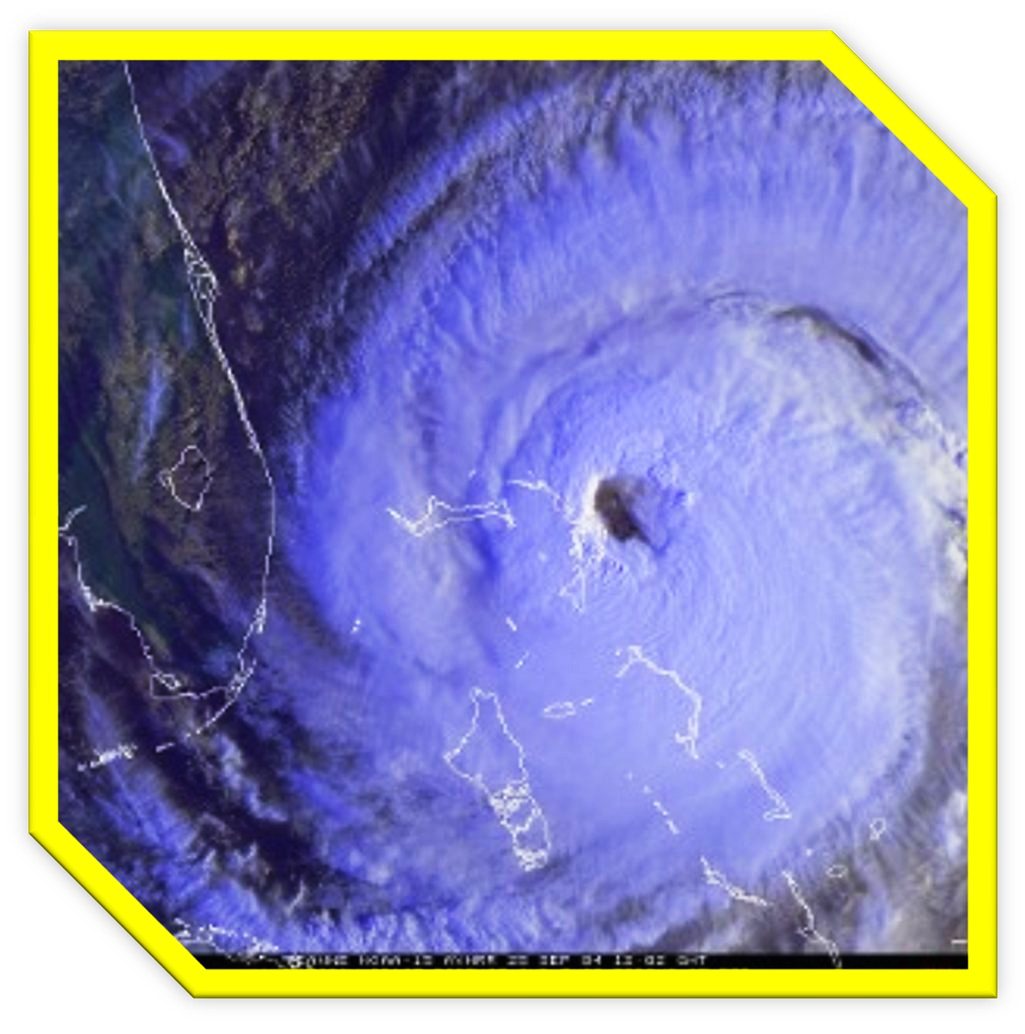
 The Saffir/Simpson Hurricane Scale
A 1-5 rating based on a hurricane’s present intensity, used to give an estimate of the potential property damage and flooding expected along the coast from a hurricane landfall. Wind speed is the determining factor in the scale, as storm surge values are highly dependent on the slope of the continental shelf in the landfall region.
Category 1
Winds 74-95 mph (64-82 knots or 119-153 km/hr) – Storm surge generally 4-5 ft above normal. No real damage to building structures. Damage primarily to unanchored mobile homes, shrubbery, and trees. Some damage to poorly constructed signs. Also, some coastal road flooding and minor pier damage.
Category 2
Winds 96-110 mph (83-95 knots or 154-177 km/hr) – Storm surge generally 6-8 feet above normal. Some roofing material, door, and window damage of buildings. Considerable damage to shrubbery and trees with some trees blown down. Considerable damage to mobile homes, poorly constructed signs, and piers. Coastal and low-lying escape routes flood 2-4 hours before arrival of the hurricane center. Small craft in unprotected anchorages break moorings.
Category 3
Winds 111-130 mph (96-113 knots or 178-209 km/hr) – Storm surge generally 9-12 ft above normal. Some structural damage to small residences and utility buildings with a minor amount of curtainwall failures. Damage to shrubbery and trees with foliage blown off trees and large tress blown down. Mobile homes and poorly constructed signs are destroyed. Low-lying escape routes are cut by rising water 3-5 hours before arrival of the hurricane center. Flooding near the coast destroys smaller structures with larger structures damaged by battering of floating debris. Terrain continuously lower than 5 ft above mean sea level may be flooded inland 8 miles (13 km) or more. Evacuation of low-lying residences with several blocks of the shoreline may be required.
Category 4
Winds 131-155 mph (114-135 knots or 210-249 km/hr) – Storm surge generally 13-18 ft above normal. More extensive curtainwall failures with some complete roof structure failures on small residences. Shrubs, trees, and all signs are blown down. Complete destruction of mobile homes. Extensive damage to doors and windows. Low-lying escape routes may be cut by rising water 3-5 hours before arrival of the hurricane center. Major damage to lower floors of structures near the shore. Terrain lower than 10 ft above sea level may be flooded requiring massive evacuation of residential areas as far inland as 6 miles (10 km).
Category 5
Winds greater than 155 mph (135 knots or 249 km/hr) – Storm surge generally greater than 18 ft above normal. Complete roof failure on many residences and industrial buildings. Some complete building failures with small utility buildings blown over or away. All shrubs, trees, and signs blown down. Complete destruction of mobile homes. Severe and extensive window and door damage. Low-lying escape routes are cut by rising water 3-5 hours before arrival of the hurricane center. Major damage to lower floors of all structures located less than 15 ft above sea level and within 500 yards of the shoreline. Massive evacuation of residential areas on low ground within 5-10 miles (8-16 km) of the shoreline may be required.
• John P. Lapotaire, CIEC
• Certified Indoor Environmental Consultant
• Microshield Environmental Services, LLC
• www.Microshield-ES.com
Share this with the #IAQS:
 Leave a Comment » |
  Commercial IAQ, Flood Information, Hurricane Information, Residential IAQ, Storm Damage Information | Tagged: air quality, ASTM, Chapter 468, ciec, Department of Business and Professional Regulation, Florida DBPR, Florida Statutes, HB 4171, HB 5005, HB 5007, healthy home, House Bill 713, IEQ 3.2, IESO, indoor air quality, Indoor Environmental Standard Organization, john lapotaire, John P. Lapotaire, LEED, microshield, mold, mold inspection, mold pretreatment, mold prevention, mold remediation, mold removal, mold testing, Mold-Related Services Licensing Program, new home mold, Part XVI, PCB BCAS 11-01, Residential Mold Assessment, SB 1244, Senate Bill 2234, USGBC |
  Permalink
 Posted by John P. Lapotaire, CIEC
August 2, 2011
 The flooding of your home by untreated or inadequately treated groundwater is responsible for a number of outbreaks of gastrointestinal illnesses that occur every year throughout the United States. In many of these outbreaks, sewage was most often identified as the contamination source.
Past flooding events in Florida have created sewage contamination problems, however simple testing solutions can provide fast information to business and homeowners.
Here at Microshield Environmental Services, LLC, we test for sewage contamination by testing for certain indicator organisms (total coliforms, fecal coliforms, E.coli, and Enterococcus). These indicator organisms are assumed to be indigenous to feces, and thus their presence in environmental samples is indicative of fecal contamination. We also provide our clients with more definitive answers by testing for individual pathogens such as Salmonella, Giardia, and Cryptosporidium.
If you think you have a sewage, bacteria, or mold contamination problem, either in ground water or other bulk material, please contact Microshield Environmental Services, LLC. for information on your indoor environmental testing needs.
• John P. Lapotaire, CIEC
• Certified Indoor Environmental Consultant
• Microshield Environmental Services, LLC
• www.Microshield-ES.com
Share this with the #IAQS:
Leave a Comment » | Commercial IAQ, Flood Information, Hurricane Information, Residential IAQ, Storm Damage Information | Tagged: air quality, ASTM, Chapter 468, ciec, Department of Business and Professional Regulation, Florida DBPR, Florida Statutes, HB 4171, HB 5005, HB 5007, healthy home, House Bill 713, IEQ 3.2, IESO, indoor air quality, Indoor Environmental Standard Organization, john lapotaire, John P. Lapotaire, LEED, microshield, mold, mold inspection, mold pretreatment, mold prevention, mold remediation, mold removal, mold testing, Mold-Related Services Licensing Program, new home mold, Part XVI, PCB BCAS 11-01, Residential Mold Assessment, SB 1244, Senate Bill 2234, USGBC | Permalink
Posted by John P. Lapotaire, CIEC
August 2, 2011
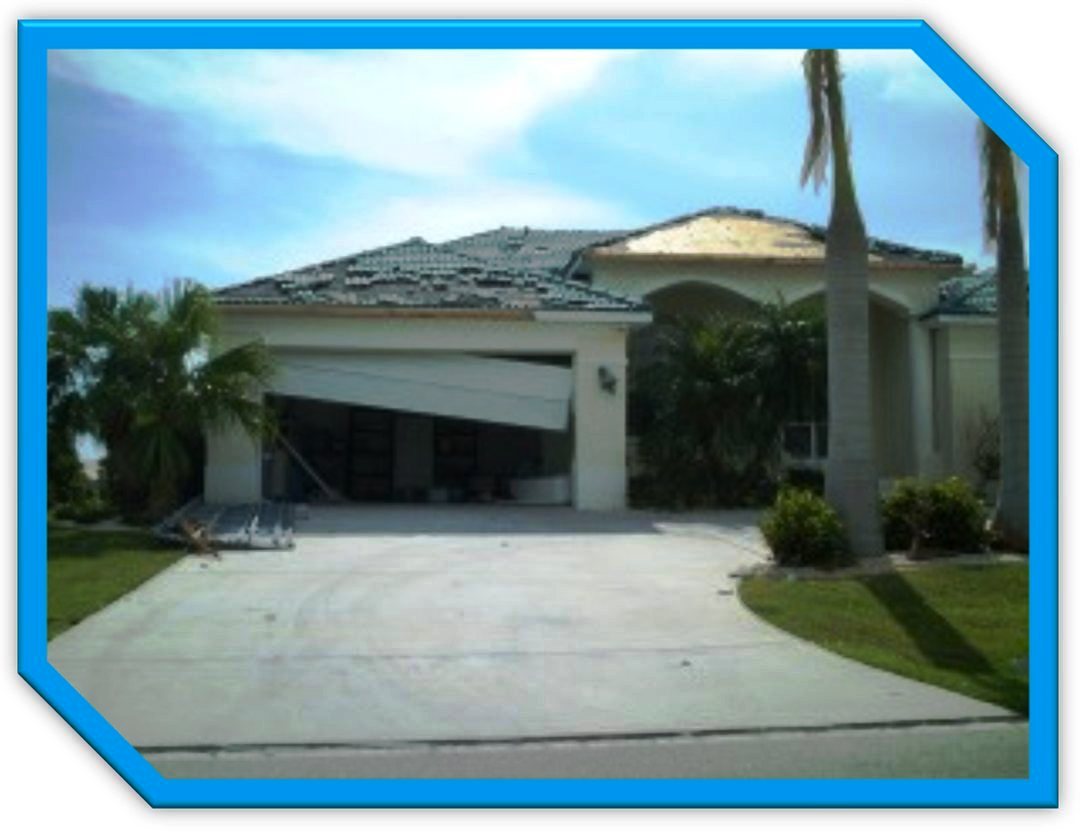
 Storm Damage Assessment and Environmental Testing
National attention has brought mold and indoor air quality to the forefront of your clients’ concerns. Many clients have become knowledgeable about mold infestations and health issues.
By understanding what is hype and what is truth, you can recommend a certified Indoor Air Quality Specialist who will assess and analyze the property. The solutions recommend by a specialist will allow you and your client to move forward with the transaction quickly, efficiently, and effectively.
After The Clean Up Make Sure Your Home Is Free Of ;
- Mold
- Bacteria
- Sewage Contamination
- E. Coli
- Fecal Coliform
- Fecal Streptococcus
- Legionella
- MRSA
Being equipped with some basic knowledge, you can be better prepared to address this problem more effectively the next time in happens.
Contact MicroShield Environmental Services today.
MicroShield Environmental Services, LLC & John P. Lapotaire, CIEC
The most trusted names in Indoor Air Quality (IAQ)
www.microshield-es.com
• John P. Lapotaire, CIEC
• Certified Indoor Environmental Consultant
• Microshield Environmental Services, LLC
• www.Microshield-ES.com
Share this with the #IAQS:
Leave a Comment » | Commercial IAQ, Flood Information, Hurricane Information, Residential IAQ, Storm Damage Information | Tagged: air quality, ASTM, Chapter 468, ciec, Department of Business and Professional Regulation, Florida DBPR, Florida Statutes, HB 4171, HB 5005, HB 5007, healthy home, House Bill 713, IEQ 3.2, IESO, indoor air quality, Indoor Environmental Standard Organization, john lapotaire, John P. Lapotaire, LEED, microshield, mold, mold inspection, mold pretreatment, mold prevention, mold remediation, mold removal, mold testing, Mold-Related Services Licensing Program, new home mold, Part XVI, PCB BCAS 11-01, Residential Mold Assessment, SB 1244, Senate Bill 2234, USGBC | Permalink
Posted by John P. Lapotaire, CIEC
August 2, 2011
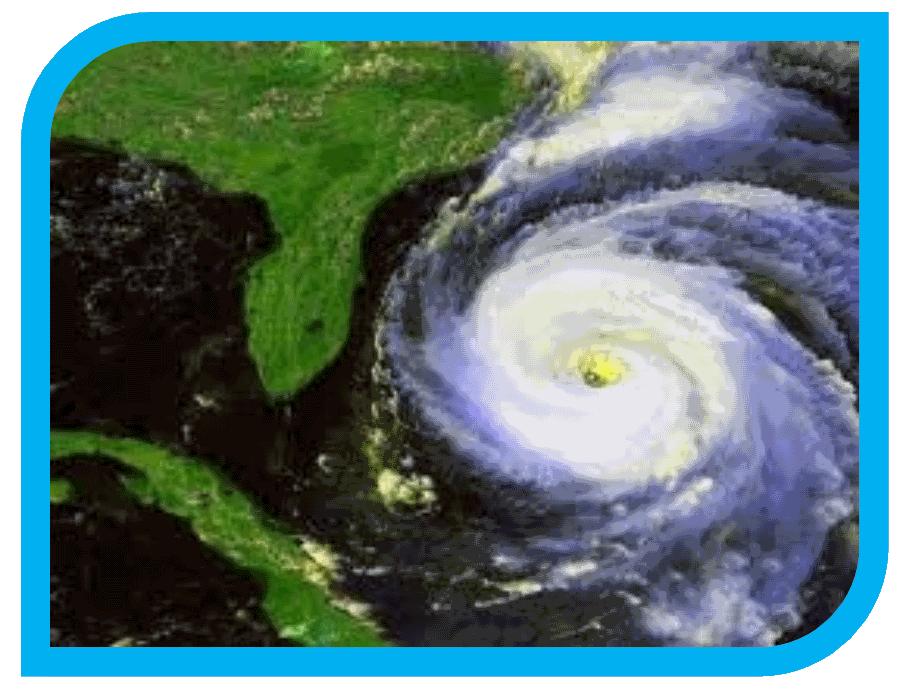
 Hurricane Terms:
· Tropical Depression – an organized system of clouds and thunderstorms with a defined circulation and maximum sustained winds of 38 mph (33 knots) or less.
· Tropical Storm – an organized system of strong thunderstorms with a defined circulation and maximum sustained winds of 39 to 73 mph (34-63 knots).
· Hurricane – a warm-core tropical cyclone with maximum sustained winds of 74 mph (64 knots) or greater.
· Eye – center a hurricane with light winds and partly cloudy to clear skies. The eye is usually around 20 miles in diameter, but can range between 5 and 60 miles.
· Eye Wall – location within a hurricane where the most damaging winds and intense rainfall are found.
· Severe Thunderstorm – a thunderstorm with winds 58 mph or faster or hailstones three-quarters of an inch or larger in diameter.
· Tornadoes – violent rotating columns of air that touch the ground; they are spawned by large severe thunderstorms. They can have winds estimated from
100 to 300 mph.
· Tornado Watch – tornadoes and severe thunderstorms are possible.
· Tornado Warning – tornadoes are detected in your area. Take shelter!
http://www.microshield-es.com
• John P. Lapotaire, CIEC
• Certified Indoor Environmental Consultant
• Microshield Environmental Services, LLC
• www.Microshield-ES.com
Share this with the #IAQS:
Leave a Comment » | Commercial IAQ, Flood Information, Hurricane Information, Residential IAQ, Storm Damage Information | Tagged: air quality, ASTM, Chapter 468, ciec, Department of Business and Professional Regulation, Florida DBPR, Florida Statutes, HB 4171, HB 5005, HB 5007, healthy home, House Bill 713, IEQ 3.2, IESO, indoor air quality, Indoor Environmental Standard Organization, john lapotaire, John P. Lapotaire, LEED, microshield, mold, mold inspection, mold pretreatment, mold prevention, mold remediation, mold removal, mold testing, Mold-Related Services Licensing Program, new home mold, Part XVI, PCB BCAS 11-01, Residential Mold Assessment, SB 1244, Senate Bill 2234, USGBC | Permalink
Posted by John P. Lapotaire, CIEC
January 25, 2011
 When it comes to mold, the general public knows little to nothing other than what they read on the internet or hear from someone who makes money selling mold-related products or services.
Most people who call a mold inspector or mold removal contractor are not really sure if they have a mold problem or not. Maybe they smell something, maybe they had a toilet back up in the past, or had a flood. Perhaps they’re experiencing some unexplained health condition that they believe might be caused by mold growing in their home.
It’s one thing to know for certain that you have a mold problem, but quite another to not know for sure. And between the ‘not knowing’ and all the hype and scare tactics that are used to sell mold services (both inspections and remediation), it’s only natural for people to be somewhat ‘fearful’ when they call a mold removal company.
Fear is a powerful motivator and many unscrupulous mold contractors are masters at playing the fear card to create a sense of urgency in order to motivate you sign a contract right away. That is not to say that all mold remediation contractors are unscrupulous.
There are many excellent consultants and contractors out there. But in these slow economic times, it is wise to beware of anyone using words like; “FREE MOLD INSPECTION”, “FREE CONSULTATION”, “FREE TESTING”, and “FREE SAMPLES” in their pitch.
More often than not, free comes with a hefty price that ends up costing far more than you thought it would and never has that been more true than in the mold business.
How To Avoid It:
Make sure your Mold Inspector is Licensed by the State and ensure that your mold inspector is not your mold remediator.
The safest thing consumers can do whenever the word “FREE” is used to sell a mold remediation job is to avoid that contractor all together.
Think about it. No one is in business to do anything for free.
Anyone offering something for free is doing so to sell you something else.
While that may be fine when it comes to “buy one – get one free” deals offered on TV infomercials, in the mold business a free inspections and testing can end up costing you thousands of dollars for remediation work that may be grossly exaggerated or in some cases doesn’t need to be done at all.
Most importantly it’s against the Law in the State of Florida to provide mold assessment ans remediation on the same job.
•John P. Lapotaire, CIEC
•Certified Indoor Environmental Consultant
•Microshield Environmental Services, LLC
•www.Microshield-ES.com www.CFL-IAQ.com
Share this with the #IAQS:
2 Comments | Commercial IAQ, Flood Information, Hurricane Information, Residential IAQ, Storm Damage Information | Tagged: ACAC, air quality, CETC, ciec, healthy home, iaqa, IESO, indoor air quality, john lapotaire, John P. Lapotaire, microshield, mold, mold inspection, mold pretreatment, mold prevention, mold remediation, mold removal, mold testing, new home mold | Permalink
Posted by John P. Lapotaire, CIEC
December 12, 2010
Molds would perhaps be one in all the very first annoying things to have inside the house. There would be times when you would just want these things to be gone from the house but things such as mold removal or mold inspection or infrared inspections are not as easy as it might sound. If you feel that you want to enhance your indoor air quality, you need to go for either indoor allergen testing or thermal imaging inspections. Doing these things all by yourself might mean risking your own self. For that reason it would be a better option to consult Orlando Mold inspection companies. The professionals of those companies are expert at these and have a lot of experience.
There are in fact a number of different Orlando Mold inspections Companies in the city. But out of those which is the one that you would like? There are a few reputed companies which had been serving the city of Orlando for years in helping to fight those annoying organisms. It is undoubtedly true that when it concerns mold inspections Orlando Mold inspection companies of the city have appeared to be the first and the last choice of the majority of people. The companies make sure that they provide and do the suitable steps to fight as well as prevent those toxic and annoying molds.
Orlando Mold inspection companies are concerned about the health of people, and moreover the companies are also concerned with the dangers which their employees tend to face each time they conduct Orlando Mold inspections. The companies make certain that their employees are completely equipped with everything that is required as well as all data. Their employees are properly trained as well. In addition, the workers follow a specific guide to inspecting mold. These Orlando Mold inspection company professionals would work in a manner as you would want them to.
1. The companies send certified technicians for examining the mold affected area thoroughly. These professionals are people who do the inspection and investigation.
2. As soon as the technicians have taken a note and diagnosed some area having black mold growth, they would immediately take a sample from that surface as well as from the air around mold. That way, they are able to compare whether the amount of mold exist enormously on the surfaces of your house or not.
3. Apart from their visual assessment as well as taking samples, the technicians would in addition make use of infrared cameras which would be helpful in evaluating and diagnosing the source of moisture inside the house. This is one of the very essential steps in mold inspection, and without doing this, it could be extremely difficult to understand how to take care of mold properly.
4. Since, nowadays, technicians have samples; they might get their comparisons and assessments done. This could be the time when the mold inspection companies of Orlando would be sending those samples to the laboratory for inspection.
5. At the end the technicians come up with suitable action on how to keep these toxic organisms from growing in the house again.
•John P. Lapotaire, CIEC
•Certified Indoor Environmental Consultant
•Microshield Environmental Services, LLC
•www.Microshield-ES.com
Share this with the #IAQS:
Leave a Comment » | Commercial IAQ, Flood Information, Hurricane Information, Residential IAQ, Storm Damage Information | Tagged: ACAC, air quality, CETC, ciec, Florida Mold Law, healthy home, iaqa, IESO, indoor air quality, john lapotaire, John P. Lapotaire, microshield, mold, mold inspection, mold pretreatment, mold prevention, mold remediation, mold removal, mold testing, new home mold | Permalink
Posted by John P. Lapotaire, CIEC
December 9, 2010
If you ever have purchased a house or are planning to purchase your very first home, no doubt you know it already that it is sensible in having a home inspection as one of the many conditions in the agreement of purchase and sale. You could as well wish to consider adding thermal imaging inspections also. One of the prime things which is required to be borne in mind during the purchase of a house is the atmosphere around the house. If it is a humid atmosphere, then be sure of the growth of molds within the house.
These are extremely toxic organisms and could turn out to be fatal in severe cases. There must be a control to their growth. Where mold growth control is concerned, there could be nothing better than Orlando mold inspection companies. These companies utilize several methods in keeping the indoor air quality of the house clean and fresh. Some of their methods include infrared inspections, indoor allergen testing and last but not the least, thermal imaging inspections.
Rather new to residential real estate market, the thermal imaging inspections might turn out to be a stable fixture for every real estate transaction in nearly the similar fashion as that of what traditional home inspections had been for a long time.
What are Thermal Imaging Inspections?
Unlike the traditional home inspection that could be seen, thermal imaging inspections are able to debunk problems which remain hidden to the naked eye. Thermal imaging inspections make use of infrared cameras that provide very useful information with problems like those of energy loss, water leakage in the basements, wood destroying influx as well as electrical faults.
Mold Growth
Traditional home inspectors would generally inform you that they are unaware of any mold issues beyond what could be found on the surface. In case there has been mold growth behind tiles or paneling for instance it might not be clearly visible on the surface and has every reason for going undetected. Thermal imaging inspections would show up the issue to you.
Water Leaks
Often traditional home inspectors would find water leaks in ceilings or basements which could be seen on the surface. Thermal imaging inspections would reveal if the problem continues to exist as well as the source of the problem.
Energy Loss
The effective use of energy tends to be the main concern for home buyers these days. Thermal inspections reveal where heat loss is taking place around doors, windows, attics and ceilings.
Thermal imaging inspections are able to detect the following problems which are not visible through some surface inspection:
• Congested electrical circuits
• Hidden electrical faults which could cause fire
• Unseen leaks in the roof
• Un-insulated wires
• Hidden leaks in plumbing setup
• Any structural defect or problem
• Leaks in Air conditioner compressor
If you’re close to purchasing a home of your own, it is possibly a great idea to consider adding thermal imaging inspections. For the majority of people, this could be the sole largest lifetime investment. This is very useful in knowing the actual condition of the home where a person intends to live for the rest of his life.
•John P. Lapotaire, CIEC
•Certified Indoor Environmental Consultant
•Microshield Environmental Services, LLC
•www.Microshield-ES.com
Share this with the #IAQS:
Leave a Comment » | Commercial IAQ, Flood Information, Hurricane Information, Residential IAQ, Storm Damage Information | Tagged: ACAC, air quality, CETC, ciec, Florida Mold Law, healthy home, iaqa, IESO, indoor air quality, john lapotaire, John P. Lapotaire, microshield, mold, mold inspection, mold pretreatment, mold prevention, mold remediation, mold removal, mold testing, new home mold | Permalink
Posted by John P. Lapotaire, CIEC
December 1, 2010
From the IAQA As you already may know, according to the new Mold law passed by the state of Florida, all individuals performing mold assessment and/or remediation must be licensed through the Florida Department of Business and Professional Regulation as of July 1, 2010. This law was amended last May to give applicants more time to complete necessary education, experience, and testing requirements. The new date to be grandfathered in is March 1, 2011. To find out more about this bill and application requirements, visit their website HERE.
In case you’re scrambling to get your education verification in order or need help studying up for the exam, consider taking a course through an IAQA course provider! IAQA courses have gone through extensive review by a board of industry experts and are approved to prepare students for the certification exams offered through the American Council for Accredited Certification (ACAC). IAQA courses and ACAC exams have all been registered and approved by the state of Florida for the new Mold-Related Services Licensing program. To find out where IAQA courses are, visit our Education page HERE.
Of course, we are always here to answer questions. Feel free to contact us at info@iaqa.org or 301-231-8388.
Thank you. IAQA Staff
•John P. Lapotaire, CIEC
•Certified Indoor Environmental Consultant
•Microshield Environmental Services, LLC
•www.Microshield-ES.com
Share this with the #IAQS:
Leave a Comment » | Commercial IAQ, Flood Information, Hurricane Information, Residential IAQ, Storm Damage Information | Tagged: ACAC, air quality, CETC, ciec, Florida Mold Law, healthy home, iaqa, IESO, indoor air quality, john lapotaire, John P. Lapotaire, microshield, mold, mold inspection, mold pretreatment, mold prevention, mold remediation, mold removal, mold testing, new home mold | Permalink
Posted by John P. Lapotaire, CIEC
November 27, 2010
Florida Mold Law 468.8411 Definitions.–As used in this part, the term:
“Mold remediation” means the removal, cleaning, sanitizing, demolition, or other treatment, including preventive activities, of mold or mold-contaminated matter of greater than 10 square feet that was not purposely grown at that location; however, such removal, cleaning, sanitizing, demolition, or other treatment, including preventive activities, may not be work that requires a license under chapter 489 unless performed by a person who is licensed under that chapter or the work complies with that chapter.
“Mold Remediator” means any person who performs mold remediation. A mold remediator may not perform any work that requires a license under chapter 489 unless the mold remediator is also licensed under that chapter or complies with that chapter.
•John P. Lapotaire, CIEC
•Certified Indoor Environmental Consultant
•Microshield Environmental Services, LLC
•www.Microshield-ES.com
Share this with the #IAQS:
Leave a Comment » | Commercial IAQ, Flood Information, Hurricane Information, Residential IAQ, Storm Damage Information | Tagged: ACAC, air quality, CETC, ciec, Florida Mold Law, healthy home, iaqa, IESO, indoor air quality, john lapotaire, John P. Lapotaire, microshield, mold, mold inspection, mold pretreatment, mold prevention, mold remediation, mold removal, mold testing, new home mold | Permalink
Posted by John P. Lapotaire, CIEC
November 27, 2010
Florida Mold Law 468.8411 Definitions.–As used in this part, the term:
“Mold assessment” means a process performed by a mold assessor that includes the physical sampling and detailed evaluation of data obtained from a building history and inspection to formulate an initial hypothesis about the origin, identity, location, and extent of amplification of mold growth of greater than 10 square feet.
“Mold assessor” means any person who performs or directly supervises a mold assessment.
•John P. Lapotaire, CIEC
•Certified Indoor Environmental Consultant
•Microshield Environmental Services, LLC
•www.Microshield-ES.com
Share this with the #IAQS:
Leave a Comment » | Commercial IAQ, Flood Information, Hurricane Information, Residential IAQ, Storm Damage Information | Tagged: ACAC, air quality, CETC, ciec, Florida Mold Law, healthy home, iaqa, IESO, indoor air quality, john lapotaire, John P. Lapotaire, microshield, mold, mold inspection, mold pretreatment, mold prevention, mold remediation, mold removal, mold testing, new home mold | Permalink
Posted by John P. Lapotaire, CIEC
 The Saffir/Simpson Hurricane Scale






 Indoor Air Quality Solutions, IAQS