November 25, 2011
 By Associated Press, Published: November 16
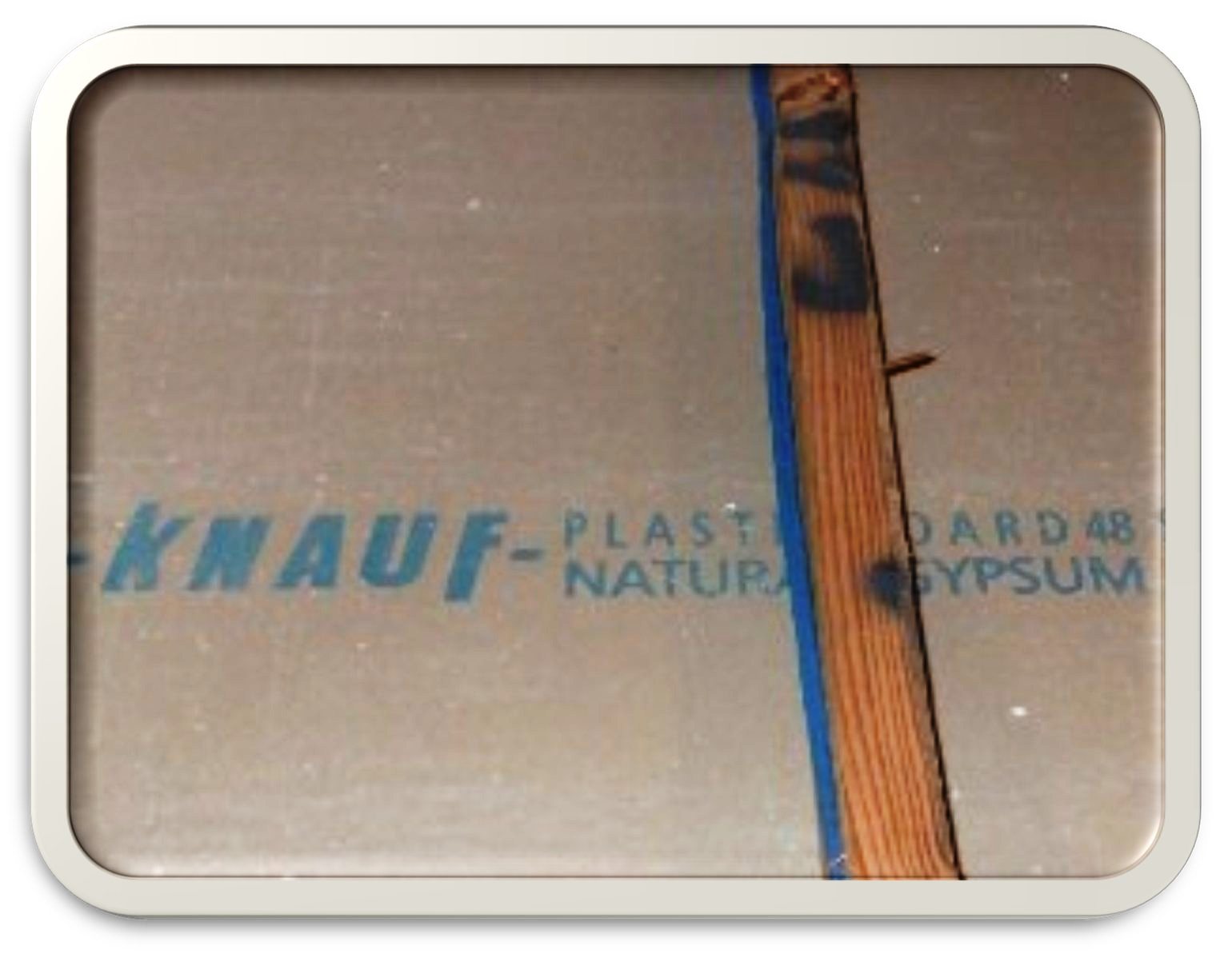
NEW ORLEANS — A settlement outlined Wednesday between a major manufacturer of Chinese-made drywall and homebuilders who used the tainted product in Florida, Texas, Louisiana and Mississippi could affect anywhere from 800 to 1,500 homes, attorneys said.
Lawyers called it a significant step toward resolving problems with some 10,000 buildings blamed on the drywall.
Read More
• John P. Lapotaire, CIEC
• Certified Indoor Environmental Consultant
• Microshield Environmental Services, LLC
• www.Microshield-ES.com
Share this with the #IAQS:
 Leave a Comment » |
  Residential IAQ | Tagged: air quality, ASTM, Chapter 468, ciec, Department of Business and Professional Regulation, Florida DBPR, Florida Statutes, HB 4171, HB 5005, HB 5007, healthy home, House Bill 713, IEQ 3.2, IESO, indoor air quality, Indoor Environmental Standard Organization, john lapotaire, John P. Lapotaire, LEED, microshield, mold, mold inspection, mold pretreatment, mold prevention, mold remediation, mold removal, mold testing, Mold-Related Services Licensing Program, new home mold, Part XVI, PCB BCAS 11-01, Residential Mold Assessment, SB 1244, Senate Bill 2234, USGBC |
  Permalink
 Posted by John P. Lapotaire, CIEC
November 14, 2011
 Specialty certification programs are a benefit to consumers and professionals alike.
Certifications with a narrow focus are the best way for professionals to explain their expertise to potential customers – and the best way for consumers to find experts who can help them. Specialty certifications give specific information about skills and experience that broad, industry-wide designations cannot duplicate.
Whether you are a professional or a consumer, look for specialty certifications that match your needs – you’ll be connected with the right people in no time!
Did you know?
All decisions to award an ACAC certification are made by unanimous agreement of a board of expert industry volunteers. No paid staff members participate in ACAC board-awarding decisions at any time. Currently, more than 100 industry experts serve on ACAC certification boards.
Charlie Wiles, executive director
Share this with the #IAQS:
Leave a Comment » | Commercial IAQ, Flood Information, Hurricane Information, Residential IAQ, Storm Damage Information | Tagged: air quality, ASTM, Chapter 468, ciec, Department of Business and Professional Regulation, Florida DBPR, Florida Statutes, HB 4171, HB 5005, HB 5007, healthy home, House Bill 713, IEQ 3.2, IESO, indoor air quality, Indoor Environmental Standard Organization, john lapotaire, John P. Lapotaire, LEED, microshield, mold, mold inspection, mold pretreatment, mold prevention, mold remediation, mold removal, mold testing, Mold-Related Services Licensing Program, new home mold, Part XVI, PCB BCAS 11-01, Residential Mold Assessment, SB 1244, Senate Bill 2234, USGBC | Permalink
Posted by John P. Lapotaire, CIEC
November 13, 2011
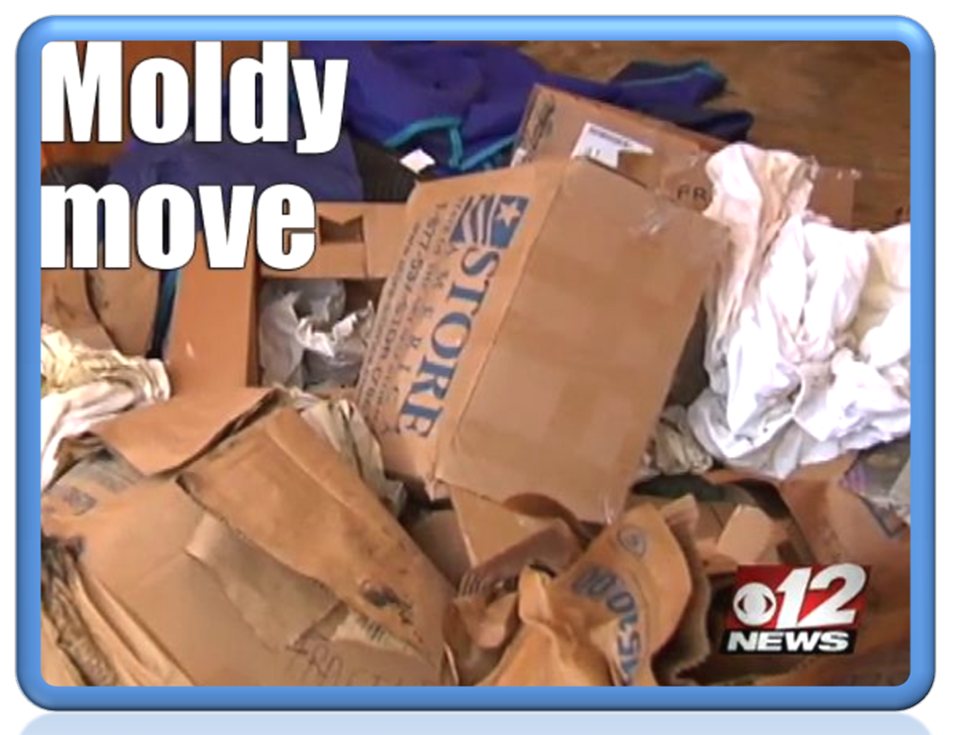
 PALM BEACH GARDENS, Fla. — A woman who moved to our area from upstate New York recently has had quite a time. It has been a frustrating, agonizing experience. The reason? She used a PODS moving container, and somehow it developed some cracks in the roof, causing much of her stuff to get wet and moldy.
Kellie Tracy looked through some of her belongings covered in mold. It fills her garage in Palm Beach Gardens. Framed pictures of loved ones, moldy and water-damaged. Antique furniture with mold on it, box springs with mold damage. Family photos and snapshots that are stuck together. Things she can’t replace.
“These are my mothers day cards from my kids that are still wet!” said Kellie.
How did Kellie’s stuff get so moldy and water-damaged? She says a PODS moving container that she used when she moved from Oneida, New York to South Florida somehow got damaged while in transit or in storage.
Cracks in the top of the PODS container, allowed moisture to seep in and soak all of her belongings. She didn’t realize there was a problem until the PODS container was delivered to her new address in Palm Beach Gardens last week.
“My boxes were soaking wet, slimy, black. It was disgusting, I mean it was disgusting,” said Kellie.
Clothing, flat screen TV’s, photos, pillows, antique furniture. Mold on almost al of it. Belongings she acquired over a lifetime, ruined in a few months.
“There’s tons and tons of black mold. That I have literally fished out of boxes trying to salvage you know just a few of my personal things. There’s tons and tons of stuff that I have just thrown away,” said Kellie.
She never dreamed a move could turn out so bad.
“My pictures are priceless. So there is no money that is going to bring back my children’s pictures and the memories that those pictures held for me. It’s sad!” said kellie.
Kellie told us that at first she had trouble getting anyone with PODS to return her calls or deal with the situation. However, they have refunded the nearly $3,000 she paid to rent the container, store it and ship it to Florida.
PODS sent us this statement:
“We extend our most sincere apology to Ms. Tracy. This was a very unfortunate and isolated occurrence and we will continue to work with Ms. Tracy towards an amicable and expeditious resolution.” Dwayne Van Horne, PODS
Kellie says PODS sent a representative and an insurance adjustor out to inspect her belongings and try to place a value on what she has lost. She says she hopes to find out in a week or two how much they will pay to reimburse her.
Read more: http://www.cbs12.com/articles/problems-4736651–.html#ixzz1dbsAJZKO
• John P. Lapotaire, CIEC
• Certified Indoor Environmental Consultant
• Microshield Environmental Services, LLC
• www.Microshield-ES.com
Share this with the #IAQS:
Leave a Comment » | Residential IAQ | Tagged: air quality, ASTM, Chapter 468, ciec, Department of Business and Professional Regulation, Florida DBPR, Florida Statutes, HB 4171, HB 5005, HB 5007, healthy home, House Bill 713, IEQ 3.2, IESO, indoor air quality, Indoor Environmental Standard Organization, john lapotaire, John P. Lapotaire, LEED, microshield, mold, mold inspection, mold pretreatment, mold prevention, mold remediation, mold removal, mold testing, Mold-Related Services Licensing Program, new home mold, Part XVI, PCB BCAS 11-01, Residential Mold Assessment, SB 1244, Senate Bill 2234, USGBC | Permalink
Posted by John P. Lapotaire, CIEC
November 13, 2011
 TALLAHASSEE — An analysis of Florida’s hurricane insurance system shows that reform to the Florida Hurricane Catastrophe Fund (FHCF) is necessary, but the impacts on the system as a whole must be understood before action is taken, according to Risk & Reform, a report released today by Florida TaxWatch, the nonpartisan, nonprofit, research institute and government watchdog.
The report examines the financing of the hurricane insurance system and analyzes existing proposals to modify the FHCF to determine the costs and benefits of these proposals and their effects onother components of the system.
“Florida’s property insurance system is broken and reforms are clearly needed to promote a functioning market that will encourage private insurers to return to Florida and reduce taxpayer liability,” said Dominic M. Calabro, president and CEO of Florida TaxWatch. “It is especially important that the state-run entities, Citizens Property Insurance Corporation (CPIC) and the Florida Hurricane Catastrophe Fund, which are designed to protect Floridians from the financial impacts of a hurricane destroying their home, are reformed before the next major storm makes landfall.”
The report outlines the interrelated parts of the system, examines how they are financed, and details the substantial exposure of CPIC and the current concentration of risk. Most importantly, while others have simply called for reform, this Florida TaxWatch report quantitatively analyzes several proposals for reforming the FHCF.
The report finds that currently proposed reforms will reduce the probability, frequency, and amount of potential FHCF assessments on the businesses, consumers, charities, auto owners and others who ultimately pay the FHCF Emergency Assessments, but will increase premiums.
According to the analysis, different reform proposals come with different costs and benefits. All of the reform proposals analyzed in this report would reduce the probability of Emergency Assessments from the FHCF, which would affect nearly all Floridians, but each shows an estimated increase in policy cost for the median policy owner. One proposal would raise the median policyholder’s cost by an estimated $19.25 annually (representing the lowest increase of the proposals analyzed), while the proposal with the highest cost would increase the same policyholder’s cost by an estimated $173.04 annually.
The report also notes that any reduction in exposure for the FHCF via reform increases the net exposure to CPIC, private insurers and reinsurers, Florida Insurance Guaranty Association (FIGA), and the State of Florida. Some immediate legislative reform of the FHCF is necessary because the latest estimate of bonding capability of the FHCF indicates that it is $3.2 billion short of funding its statutory obligations. That means that unless the reforms are made, FHCF will be selling reinsurance to insurance companies that may be unable to meet all of their obligations.
Based on the analysis, Calabro noted, “It is clear that reform is needed, but it is vital that any reform proposals are carefully analyzed to clearly understand the effects on the other components of the insurance system.”
Click here to view this report: Risk & Reward
This report continues our ongoing look at Florida’s insurance systems. For previous research on this topic, please see the Florida TaxWatch April 2009 Special Report, “Florida’s Financial Exposure from Its ‘Self Insurance’ Programs,” available here.
• John P. Lapotaire, CIEC
• Certified Indoor Environmental Consultant
• Microshield Environmental Services, LLC
• www.Microshield-ES.com
Share this with the #IAQS:
Leave a Comment » | Commercial IAQ, Flood Information, Hurricane Information, Residential IAQ, Storm Damage Information | Tagged: air quality, ASTM, Chapter 468, ciec, Department of Business and Professional Regulation, Florida DBPR, Florida Statutes, HB 4171, HB 5005, HB 5007, healthy home, House Bill 713, IEQ 3.2, IESO, indoor air quality, Indoor Environmental Standard Organization, john lapotaire, John P. Lapotaire, LEED, microshield, mold, mold inspection, mold pretreatment, mold prevention, mold remediation, mold removal, mold testing, Mold-Related Services Licensing Program, new home mold, Part XVI, PCB BCAS 11-01, Residential Mold Assessment, SB 1244, Senate Bill 2234, USGBC | Permalink
Posted by John P. Lapotaire, CIEC
November 13, 2011
Cape Coral resident Ryan Tronchet won’t get $468 back from the city as part of its plan to help homeowners who replaced Chinese drywall by waiving their permit fees, the City Council decided Monday.
City officials agreed that he presented evidence that he owned the home and had a Chinese drywall problem. He said he had headaches and rashes that cleared up after the drywall was replaced in 2010.
But it was a concern that many others would apply for the refund and that Tronchet’s remediation was done before the city adopted the program that hurt his cause.
“My fear here is the floodgate that will open. There are many people out there who fit our criteria,” Councilman Marty McClain said. “This will not be the last one if we approve this.”
Tronchet was just the second resident to ask for the waiver since the council created the program in June.
The vote was a 4-4 decision with Councilmen McClain, Derrick Donnell, Erick Kuehn and Kevin McGrail voting against the motion to pay Tronchet.
“I just want to be treated equally,” Tronchet said. “I wouldn’t be here if it wasn’t for this resolution.”
The waiver program expires June 30, 2015, unless extended by council. Homeowners who qualify must have continuously owned the home and applied for the original building or construction permit anytime from 2003 to 2010.
Millions of sheets of Chinese drywall imported mainly between 2004 and 2008 emitted a foul smell and sulfur compounds that corroded air conditioning coils, electrical wiring, appliances, jewelry and other metal items in the home.
The drywall was found in thousands of homes in 41 states and Puerto Rico. In Lee County, at least 1,500 homes were affected.
Cape Coral issued 330 permits worth about $160,000 for Chinese drywall remediation, said city building official Paul Dixon.
Most of those permits were acquired by “foreclosure vultures and real estate flippers” who won’t qualify for the waiver, said Councilman Chris Chulakes-Leetz.
The money to cover the waivers has to come from the general fund, said Councilman Kevin McGrail. There has to be a starting point for the city’s programs, he said.
The $50,000 saved by the city when it changed its membership status in the Southwest Florida Regional Planning Council could be used to pay Tronchet, said Chulakes-Leetz, who assisted Tronchet with his appeal for the money.
“It’s up to us to step up to the plate and take some of the responsibility that we should,”said Councilman Pete Brandt.
The city’s inspectors missed the problem and issued a certificate of occupancy, Brandt said.
• John P. Lapotaire, CIEC
• Certified Indoor Environmental Consultant
• Microshield Environmental Services, LLC
• www.Microshield-ES.com
Share this with the #IAQS:
Leave a Comment » | Residential IAQ | Tagged: air quality, ASTM, Chapter 468, ciec, Department of Business and Professional Regulation, Florida DBPR, Florida Statutes, HB 4171, HB 5005, HB 5007, healthy home, House Bill 713, IEQ 3.2, IESO, indoor air quality, Indoor Environmental Standard Organization, john lapotaire, John P. Lapotaire, LEED, microshield, mold, mold inspection, mold pretreatment, mold prevention, mold remediation, mold removal, mold testing, Mold-Related Services Licensing Program, new home mold, Part XVI, PCB BCAS 11-01, Residential Mold Assessment, SB 1244, Senate Bill 2234, USGBC | Permalink
Posted by John P. Lapotaire, CIEC
November 13, 2011
 The symptoms started the day Maj. Todd Hutchinson moved into his new office at the Titusville Police Department’s headquarters: constant coughing, sore throat, stuffy nose.
“It was similar to hay fever,” said Hutchinson, who had been promoted to take over the department’s administrative services division. “I assumed it was allergies, but I suspected the building.”
Hutchinson and his predecessor, Maj. Doug Massey, knew there were problems with the 37,000-square-foot building at 1100 John Glenn Blvd. The roof has leaked since the 2004 hurricanes, and the department has requested repairs every year since.
The money was never available, however, until this year: In September, contractors patched the roof.
But it sprung two fresh leaks during the Columbus Day weekend storm that dumped 1 foot of rain on parts of Brevard County. Hutchinson walked into his office, and the carpet squished under his feet: It was saturated with water.
For police officials, it was the last straw — a sign that couldn’t be ignored.
An expert’s testing revealed that mold had been festering beneath the carpet and in the walls “for years,” Hutchinson said. The air quality in his office was deemed hazardous.
Five offices, including the Chief Anthony Bollinger’s, were sealed Monday morning as workers started to perform emergency repairs: new carpets, ceiling tiles, sheetrock. Five other offices and the records division require cleaning and will be temporarily relocated. There is no timetable for the fixes to be completed.
City officials declined to estimate the financial impact. Several employees, including Hutchinson, also plan to seek funding for medical bills through workers’ compensation insurance.
Tom Abbate, the city’s support services director, said interior repairs have been made “piecemeal” since 2004. But extensive work couldn’t be done until the roof was fixed.
“The police building is a high-maintenance building, and we do as much as we can with the funding available,” Abbate said. “But whatever this costs, we have to take care of it. It’s not a discretionary item.”
Most of the problems are confined to the east side of the building, which was built for Lockheed in 1984. The city paid $2 million for it in 1997.
Hutchinson said the public shouldn’t be affected.
“We are in the business of dealing with crises,” Hutchinson said. “We’re using our training to work through this.”
Written by Andrew Knapp | FLORIDA TODAY
http://www.floridatoday.com/article/20111101/NEWS01/311010014/Mold-drives-Titusville-police-staff-from-offices
• John P. Lapotaire, CIEC
• Certified Indoor Environmental Consultant
• Microshield Environmental Services, LLC
• www.Microshield-ES.com
Share this with the #IAQS:
Leave a Comment » | Commercial IAQ, Residential IAQ | Tagged: air quality, ASTM, Chapter 468, ciec, Department of Business and Professional Regulation, Florida DBPR, Florida Statutes, HB 4171, HB 5005, HB 5007, healthy home, House Bill 713, IEQ 3.2, IESO, indoor air quality, Indoor Environmental Standard Organization, john lapotaire, John P. Lapotaire, LEED, microshield, mold, mold inspection, mold pretreatment, mold prevention, mold remediation, mold removal, mold testing, Mold-Related Services Licensing Program, new home mold, Part XVI, PCB BCAS 11-01, Residential Mold Assessment, SB 1244, Senate Bill 2234, USGBC | Permalink
Posted by John P. Lapotaire, CIEC
November 13, 2011
 The Air Conditioning Contractors of America Educational Institute (ACCA-EI) Standards Task Team (STT) announces an American National Standards Institute (ANSI) 3rd public review period for a new standard “Existing Home Evaluation and Performance Improvement.” This third public review period, started on November 4, 2011, will close at 5:00pm Eastern Time on December 4, 2011.
Read More
https://www.acca.org/archives/news-and-media/news-room/press-releases/5921
• John P. Lapotaire, CIEC
• Certified Indoor Environmental Consultant
• Microshield Environmental Services, LLC
• www.Microshield-ES.com
Share this with the #IAQS:
Leave a Comment » | Commercial IAQ, Residential IAQ | Tagged: air quality, ASTM, Chapter 468, ciec, Department of Business and Professional Regulation, Florida DBPR, Florida Statutes, HB 4171, HB 5005, HB 5007, healthy home, House Bill 713, IEQ 3.2, IESO, indoor air quality, Indoor Environmental Standard Organization, john lapotaire, John P. Lapotaire, LEED, microshield, mold, mold inspection, mold pretreatment, mold prevention, mold remediation, mold removal, mold testing, Mold-Related Services Licensing Program, new home mold, Part XVI, PCB BCAS 11-01, Residential Mold Assessment, SB 1244, Senate Bill 2234, USGBC | Permalink
Posted by John P. Lapotaire, CIEC
November 13, 2011
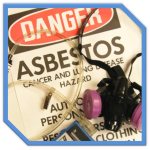 Toxic chemicals can be found everywhere we look. Whether they are in your home, or the ground underneath, it is important to be aware of chemicals with which you and your family may come in contact.
What is asbestos?
Asbestos is a naturally occurring mineral that was incorporated into more than 5,000 products in the 1980’s. This mineral has excellent insulating and fireproofing characteristics which is why it was commonly used for commercial purposes. This toxic mineral can be found in various deposits throughout the world; the environmental hazard surrounding asbestos still exists today.
Where has it been used?
As previously mentioned, asbestos has been used in thousands of products. Some of these products include household items, paper goods, automobiles, heating and cooling systems, and even in the construction materials used to possibly build your house. The majority of these materials are commonly found in construction materials used to in buildings and homes. Asbestos has such a high resistance to heat it was used in many heating systems and insulation. High concentrations of airborne asbestos can occur after these materials are disturbed by improperly trying to remove the materials or a remodeling project.
Why is it toxic?
Mesothelioma is a rare form of cancer almost exclusively caused by asbestos exposure. Due to a severe latency period of symptoms ranging between 20 and 50 years from the time of exposure, mesothelioma cancer is often diagnosed in a late stage of development.
This tendency for late diagnosis often complicates mesothelioma treatment options; as a result, the average mesothelioma life expectancy is 4 to 18 months. There is no cure for this cancer; but, some patients who were diagnosed early enough have survived mesothelioma. For this reason, it is important for anyone exposed to asbestos to seek regular medical exams to check for signs of asbestos disease.
The best way to prevent exposure to asbestos is to learn about it, however regardless of the knowledge that is now available, not everyone takes the proper precautions that are needed to prevent exposure. Prevention in the workplace can be as simple as wearing protective gear or breathing devices. Since so many homes were built with asbestos containing products, the majority of household exposure comes from renovations, or do-it-yourself home projects. Once the asbestos is disturbed you are at risk for exposure, so it is important to have professionals involved, or the areas tested for asbestos in advance.
The Mesothelioma Center at Asbestos.com was created to assist patients affected by asbestos-related disease. Visit www.asbestos.com for more information regarding asbestos exposure. You can “like” us on Face book and “Follow” us on Twitter for daily updates and news articles surrounding asbestos and asbestos related diseases.
• John P. Lapotaire, CIEC
• Certified Indoor Environmental Consultant
• Microshield Environmental Services, LLC
• www.Microshield-ES.com
Share this with the #IAQS:
Leave a Comment » | Commercial IAQ, Residential IAQ | Tagged: air quality, ASTM, Chapter 468, ciec, Department of Business and Professional Regulation, Florida DBPR, Florida Statutes, HB 4171, HB 5005, HB 5007, healthy home, House Bill 713, IEQ 3.2, IESO, indoor air quality, Indoor Environmental Standard Organization, john lapotaire, John P. Lapotaire, LEED, microshield, mold, mold inspection, mold pretreatment, mold prevention, mold remediation, mold removal, mold testing, Mold-Related Services Licensing Program, new home mold, Part XVI, PCB BCAS 11-01, Residential Mold Assessment, SB 1244, Senate Bill 2234, USGBC | Permalink
Posted by John P. Lapotaire, CIEC
October 26, 2011
 By ARAcontent
Posted: Oct. 12, 2011 | 1:11 a.m.
Updated: Oct. 12, 2011 | 3:10 a.m.
When the winter winds start to howl, it’s a natural response to want to close your home up tightly. To stay warm and avoid wasting energy, you close the windows – or even seal them with window film — find ways to stop air from leaking in through cracks and under doors, and then put your heating system to work. But when those instincts kick in, remember that what you’re doing is sealing air inside your home.
There’s a definite upside to sealing your house up well for the winter: you’ll stay warmer, with less impact on your energy bills. However, the downside is that those actions can negatively affect the quality of the air you’ll be breathing. It’s a particular concern because of the increased amount of time people spend indoors through the winter.
Heating, ventilation and air conditioning (HVAC) systems have been shown to act as a collection source for a variety of contaminants that have the potential to affect health, such as mold, fungi, bacteria and very small particles of dust. According to the U.S. Environmental Protection Agency, indoor air can be two to five times more polluted than outdoor air.
“When you flip that switch on your heater, there is a lot of dust and debris – collected in the coils over the summer months – that either burns into fumes or gushes into the house through your vents,” says Aaron Marshbanks, board member of the National Air Duct Cleaners Association (NADCA).
Read More
• John P. Lapotaire, CIEC
• Certified Indoor Environmental Consultant
• Microshield Environmental Services, LLC
• www.Microshield-ES.com
Share this with the #IAQS:
Leave a Comment » | Commercial IAQ, Residential IAQ | Tagged: air quality, ASTM, Chapter 468, ciec, Department of Business and Professional Regulation, Florida DBPR, Florida Statutes, HB 4171, HB 5005, HB 5007, healthy home, House Bill 713, IEQ 3.2, IESO, indoor air quality, Indoor Environmental Standard Organization, john lapotaire, John P. Lapotaire, LEED, microshield, mold, mold inspection, mold pretreatment, mold prevention, mold remediation, mold removal, mold testing, Mold-Related Services Licensing Program, new home mold, Part XVI, PCB BCAS 11-01, Residential Mold Assessment, SB 1244, Senate Bill 2234, USGBC | Permalink
Posted by John P. Lapotaire, CIEC
October 26, 2011
 New campaign urges businesses to fit ventilation systems that comply with European guidelines
Concerns about air quality in the workplace have until now tended to focus on little more than complaints about dripping air conditioning units or funny smells coming from the communal fridge in the kitchen.
But now a new campaign is seeking to highlight the financial and health implications of poor indoor air quality, which can often be more harmful than outdoor pollution, according to experts.
The initiative, launched by the Campaign for Clean Air in London yesterday, argues that better indoor air quality (IAQ) can help businesses reduce energy costs and carbon emissions, while also improving the health and productivity of employees.
Simon Birkett, founder of the Campaign for Clean Air in London, said the best filtration systems can help businesses protect employees from 90 per cent of air pollutants for up to 90 per cent of the time.
Indoor air can become polluted by particulates that seep in from outside or from internal sources such as air condintioners, radiators, cigarette smoke and even scented candles.
Read More
• John P. Lapotaire, CIEC
• Certified Indoor Environmental Consultant
• Microshield Environmental Services, LLC
• www.Microshield-ES.com
Share this with the #IAQS:
Leave a Comment » | Commercial IAQ | Tagged: air quality, ASTM, Chapter 468, ciec, Department of Business and Professional Regulation, Florida DBPR, Florida Statutes, HB 4171, HB 5005, HB 5007, healthy home, House Bill 713, IEQ 3.2, IESO, indoor air quality, Indoor Environmental Standard Organization, john lapotaire, John P. Lapotaire, LEED, microshield, mold, mold inspection, mold pretreatment, mold prevention, mold remediation, mold removal, mold testing, Mold-Related Services Licensing Program, new home mold, Part XVI, PCB BCAS 11-01, Residential Mold Assessment, SB 1244, Senate Bill 2234, USGBC | Permalink
Posted by John P. Lapotaire, CIEC
 By Associated Press, Published: November 16