October 26, 2011
So Md News
 Chip Jackson, associate vice president for planning and facilities, said the college is working on a plan with construction contractors now for the mold remediation and said it would be “at least a couple weeks” before students move back into the residence halls. He said he hopes the work will be done before the end of the semester, which is in mid-December. “Any institution will have a mold issue here, a mold issue there,” Jackson said, but this systemic mold problem is so severe that it is forcing the evacuations of both Prince George and Caroline residence halls.
Read More
• John P. Lapotaire, CIEC
• Certified Indoor Environmental Consultant
• Microshield Environmental Services, LLC
• www.Microshield-ES.com
Share this with the #IAQS:
 Leave a Comment » |
  Commercial IAQ, Residential IAQ | Tagged: air quality, ASTM, Chapter 468, ciec, Department of Business and Professional Regulation, Florida DBPR, Florida Statutes, HB 4171, HB 5005, HB 5007, healthy home, House Bill 713, IEQ 3.2, IESO, indoor air quality, Indoor Environmental Standard Organization, john lapotaire, John P. Lapotaire, LEED, microshield, mold, mold inspection, mold pretreatment, mold prevention, mold remediation, mold removal, mold testing, Mold-Related Services Licensing Program, new home mold, Part XVI, PCB BCAS 11-01, Residential Mold Assessment, SB 1244, Senate Bill 2234, USGBC |
  Permalink
 Posted by John P. Lapotaire, CIEC
August 3, 2011
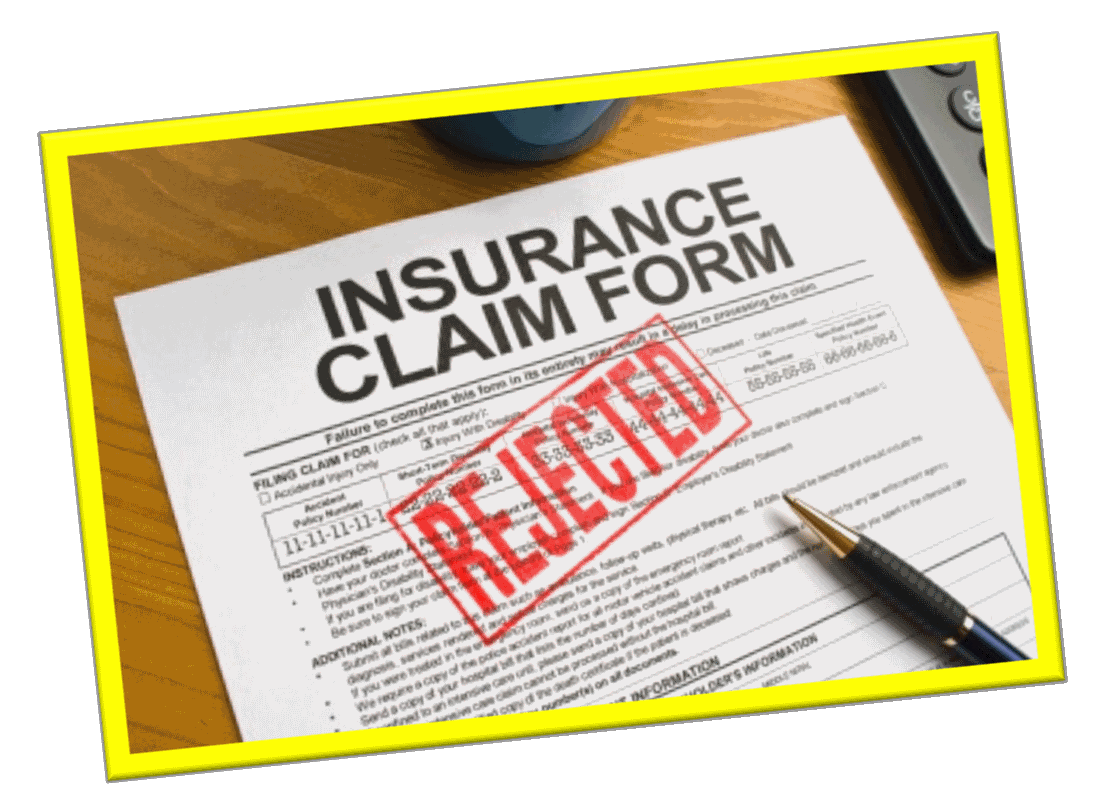
 When Filing Insurance Claims:
When filing your claim, complete a precisely detailed estimate of what is required to repair or rebuild your property. Assist in the preparation of inventories for damaged personal property, contents, and related items. With your help in providing correct documentation, and determining ages, descriptions and determine the approximate current values.
Have your losses or additional living expenses ready to submit in your claim. Establish a professional line of communications with the insurance adjuster and present estimates, inventories, and other valuations to the insurance adjuster.
A Public Adjuster can meet with your insurance company to adjust your claim fairly and equitably, thus resulting in an acceptable settlement to you.
You will need a very well written report detailing all Hurricane and Storm related damages with photos.
• John P. Lapotaire, CIEC
• Certified Indoor Environmental Consultant
• Microshield Environmental Services, LLC
• www.Microshield-ES.com
Share this with the #IAQS:
1 Comment | Commercial IAQ, Flood Information, Hurricane Information, Residential IAQ, Storm Damage Information | Tagged: air quality, ASTM, Chapter 468, ciec, Department of Business and Professional Regulation, Florida DBPR, Florida Statutes, HB 4171, HB 5005, HB 5007, healthy home, House Bill 713, IEQ 3.2, IESO, indoor air quality, Indoor Environmental Standard Organization, john lapotaire, John P. Lapotaire, LEED, microshield, mold, mold inspection, mold pretreatment, mold prevention, mold remediation, mold removal, mold testing, Mold-Related Services Licensing Program, new home mold, Part XVI, PCB BCAS 11-01, Residential Mold Assessment, SB 1244, Senate Bill 2234, USGBC | Permalink
Posted by John P. Lapotaire, CIEC
August 3, 2011
 The Saffir/Simpson Hurricane Scale
A 1-5 rating based on a hurricane’s present intensity, used to give an estimate of the potential property damage and flooding expected along the coast from a hurricane landfall. Wind speed is the determining factor in the scale, as storm surge values are highly dependent on the slope of the continental shelf in the landfall region.
Category 1
Winds 74-95 mph (64-82 knots or 119-153 km/hr) – Storm surge generally 4-5 ft above normal. No real damage to building structures. Damage primarily to unanchored mobile homes, shrubbery, and trees. Some damage to poorly constructed signs. Also, some coastal road flooding and minor pier damage.
Category 2
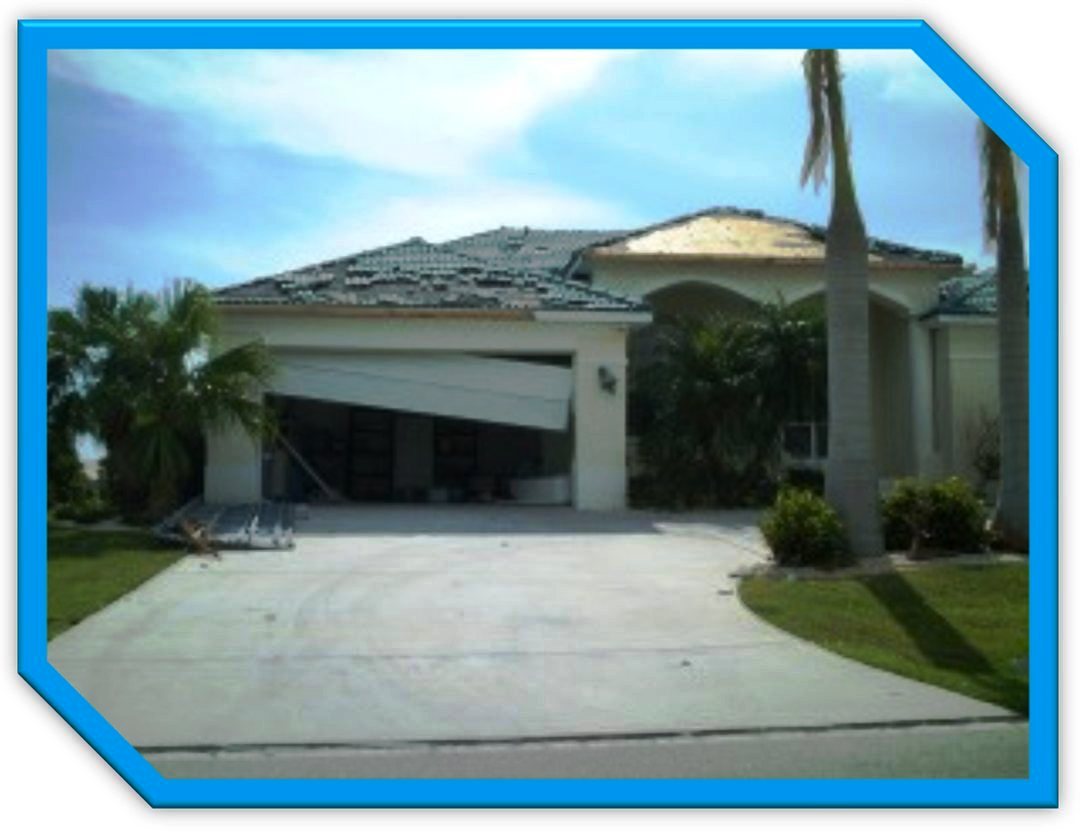
Winds 96-110 mph (83-95 knots or 154-177 km/hr) – Storm surge generally 6-8 feet above normal. Some roofing material, door, and window damage of buildings. Considerable damage to shrubbery and trees with some trees blown down. Considerable damage to mobile homes, poorly constructed signs, and piers. Coastal and low-lying escape routes flood 2-4 hours before arrival of the hurricane center. Small craft in unprotected anchorages break moorings.
Category 3
Winds 111-130 mph (96-113 knots or 178-209 km/hr) – Storm surge generally 9-12 ft above normal. Some structural damage to small residences and utility buildings with a minor amount of curtainwall failures. Damage to shrubbery and trees with foliage blown off trees and large tress blown down. Mobile homes and poorly constructed signs are destroyed. Low-lying escape routes are cut by rising water 3-5 hours before arrival of the hurricane center. Flooding near the coast destroys smaller structures with larger structures damaged by battering of floating debris. Terrain continuously lower than 5 ft above mean sea level may be flooded inland 8 miles (13 km) or more. Evacuation of low-lying residences with several blocks of the shoreline may be required.
Category 4
Winds 131-155 mph (114-135 knots or 210-249 km/hr) – Storm surge generally 13-18 ft above normal. More extensive curtainwall failures with some complete roof structure failures on small residences. Shrubs, trees, and all signs are blown down. Complete destruction of mobile homes. Extensive damage to doors and windows. Low-lying escape routes may be cut by rising water 3-5 hours before arrival of the hurricane center. Major damage to lower floors of structures near the shore. Terrain lower than 10 ft above sea level may be flooded requiring massive evacuation of residential areas as far inland as 6 miles (10 km).
Category 5
Winds greater than 155 mph (135 knots or 249 km/hr) – Storm surge generally greater than 18 ft above normal. Complete roof failure on many residences and industrial buildings. Some complete building failures with small utility buildings blown over or away. All shrubs, trees, and signs blown down. Complete destruction of mobile homes. Severe and extensive window and door damage. Low-lying escape routes are cut by rising water 3-5 hours before arrival of the hurricane center. Major damage to lower floors of all structures located less than 15 ft above sea level and within 500 yards of the shoreline. Massive evacuation of residential areas on low ground within 5-10 miles (8-16 km) of the shoreline may be required.
• John P. Lapotaire, CIEC
• Certified Indoor Environmental Consultant
• Microshield Environmental Services, LLC
• www.Microshield-ES.com
Share this with the #IAQS:
Leave a Comment » | Commercial IAQ, Flood Information, Hurricane Information, Residential IAQ, Storm Damage Information | Tagged: air quality, ASTM, Chapter 468, ciec, Department of Business and Professional Regulation, Florida DBPR, Florida Statutes, HB 4171, HB 5005, HB 5007, healthy home, House Bill 713, IEQ 3.2, IESO, indoor air quality, Indoor Environmental Standard Organization, john lapotaire, John P. Lapotaire, LEED, microshield, mold, mold inspection, mold pretreatment, mold prevention, mold remediation, mold removal, mold testing, Mold-Related Services Licensing Program, new home mold, Part XVI, PCB BCAS 11-01, Residential Mold Assessment, SB 1244, Senate Bill 2234, USGBC | Permalink
Posted by John P. Lapotaire, CIEC
August 2, 2011
 The flooding of your home by untreated or inadequately treated groundwater is responsible for a number of outbreaks of gastrointestinal illnesses that occur every year throughout the United States. In many of these outbreaks, sewage was most often identified as the contamination source.
Past flooding events in Florida have created sewage contamination problems, however simple testing solutions can provide fast information to business and homeowners.
Here at Microshield Environmental Services, LLC, we test for sewage contamination by testing for certain indicator organisms (total coliforms, fecal coliforms, E.coli, and Enterococcus). These indicator organisms are assumed to be indigenous to feces, and thus their presence in environmental samples is indicative of fecal contamination. We also provide our clients with more definitive answers by testing for individual pathogens such as Salmonella, Giardia, and Cryptosporidium.
If you think you have a sewage, bacteria, or mold contamination problem, either in ground water or other bulk material, please contact Microshield Environmental Services, LLC. for information on your indoor environmental testing needs.
• John P. Lapotaire, CIEC
• Certified Indoor Environmental Consultant
• Microshield Environmental Services, LLC
• www.Microshield-ES.com
Share this with the #IAQS:
Leave a Comment » | Commercial IAQ, Flood Information, Hurricane Information, Residential IAQ, Storm Damage Information | Tagged: air quality, ASTM, Chapter 468, ciec, Department of Business and Professional Regulation, Florida DBPR, Florida Statutes, HB 4171, HB 5005, HB 5007, healthy home, House Bill 713, IEQ 3.2, IESO, indoor air quality, Indoor Environmental Standard Organization, john lapotaire, John P. Lapotaire, LEED, microshield, mold, mold inspection, mold pretreatment, mold prevention, mold remediation, mold removal, mold testing, Mold-Related Services Licensing Program, new home mold, Part XVI, PCB BCAS 11-01, Residential Mold Assessment, SB 1244, Senate Bill 2234, USGBC | Permalink
Posted by John P. Lapotaire, CIEC
August 2, 2011
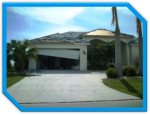 Storm Damage Assessment and Environmental Testing
National attention has brought mold and indoor air quality to the forefront of your clients’ concerns. Many clients have become knowledgeable about mold infestations and health issues.
By understanding what is hype and what is truth, you can recommend a certified Indoor Air Quality Specialist who will assess and analyze the property. The solutions recommend by a specialist will allow you and your client to move forward with the transaction quickly, efficiently, and effectively.
After The Clean Up Make Sure Your Home Is Free Of ;
- Mold
- Bacteria
- Sewage Contamination
- E. Coli
- Fecal Coliform
- Fecal Streptococcus
- Legionella
- MRSA
Being equipped with some basic knowledge, you can be better prepared to address this problem more effectively the next time in happens.
Contact MicroShield Environmental Services today.
MicroShield Environmental Services, LLC & John P. Lapotaire, CIEC
The most trusted names in Indoor Air Quality (IAQ)
www.microshield-es.com
• John P. Lapotaire, CIEC
• Certified Indoor Environmental Consultant
• Microshield Environmental Services, LLC
• www.Microshield-ES.com
Share this with the #IAQS:
Leave a Comment » | Commercial IAQ, Flood Information, Hurricane Information, Residential IAQ, Storm Damage Information | Tagged: air quality, ASTM, Chapter 468, ciec, Department of Business and Professional Regulation, Florida DBPR, Florida Statutes, HB 4171, HB 5005, HB 5007, healthy home, House Bill 713, IEQ 3.2, IESO, indoor air quality, Indoor Environmental Standard Organization, john lapotaire, John P. Lapotaire, LEED, microshield, mold, mold inspection, mold pretreatment, mold prevention, mold remediation, mold removal, mold testing, Mold-Related Services Licensing Program, new home mold, Part XVI, PCB BCAS 11-01, Residential Mold Assessment, SB 1244, Senate Bill 2234, USGBC | Permalink
Posted by John P. Lapotaire, CIEC
August 2, 2011
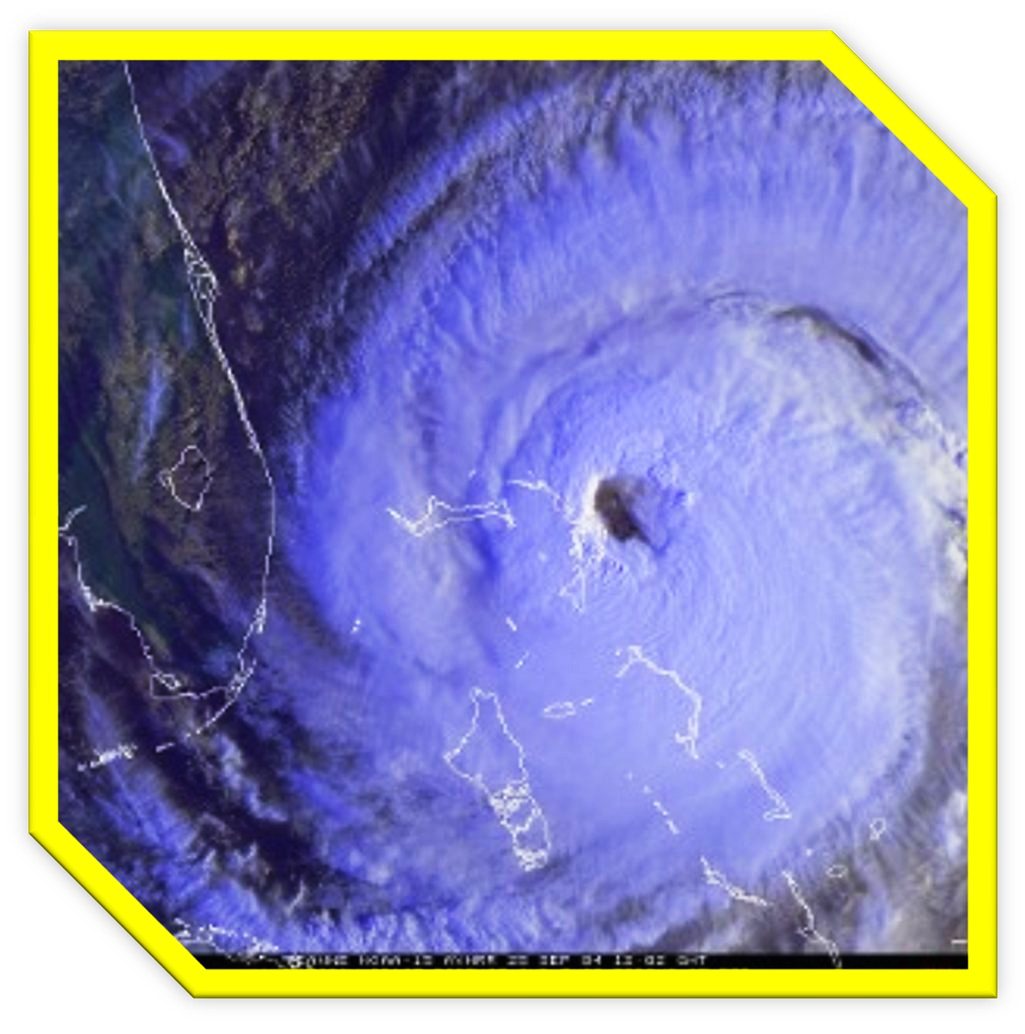
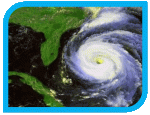 Hurricane Terms:
· Tropical Depression – an organized system of clouds and thunderstorms with a defined circulation and maximum sustained winds of 38 mph (33 knots) or less.
· Tropical Storm – an organized system of strong thunderstorms with a defined circulation and maximum sustained winds of 39 to 73 mph (34-63 knots).
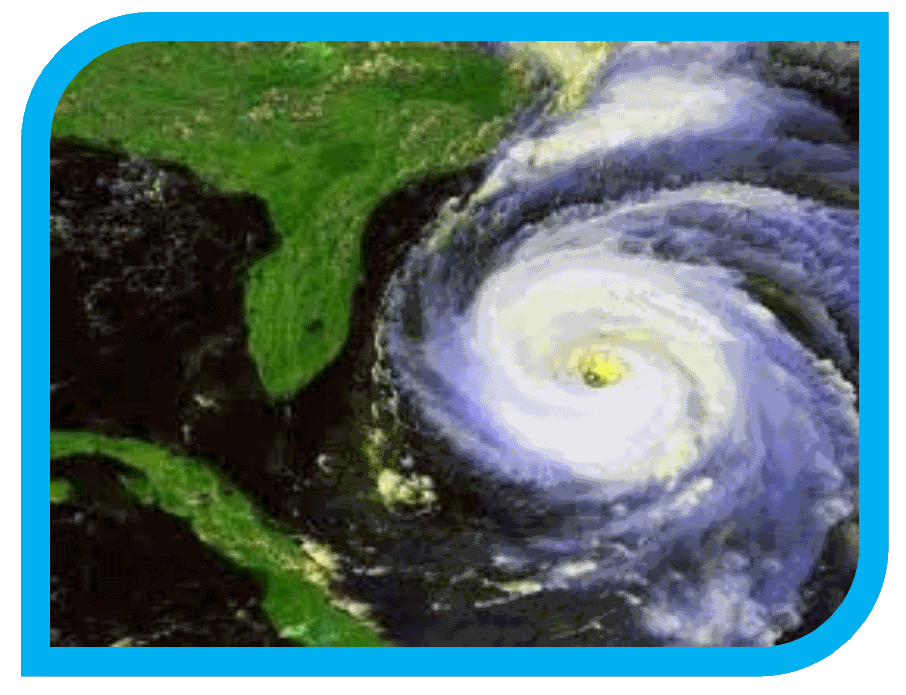
· Hurricane – a warm-core tropical cyclone with maximum sustained winds of 74 mph (64 knots) or greater.
· Eye – center a hurricane with light winds and partly cloudy to clear skies. The eye is usually around 20 miles in diameter, but can range between 5 and 60 miles.
· Eye Wall – location within a hurricane where the most damaging winds and intense rainfall are found.
· Severe Thunderstorm – a thunderstorm with winds 58 mph or faster or hailstones three-quarters of an inch or larger in diameter.
· Tornadoes – violent rotating columns of air that touch the ground; they are spawned by large severe thunderstorms. They can have winds estimated from
100 to 300 mph.
· Tornado Watch – tornadoes and severe thunderstorms are possible.
· Tornado Warning – tornadoes are detected in your area. Take shelter!
http://www.microshield-es.com
• John P. Lapotaire, CIEC
• Certified Indoor Environmental Consultant
• Microshield Environmental Services, LLC
• www.Microshield-ES.com
Share this with the #IAQS:
Leave a Comment » | Commercial IAQ, Flood Information, Hurricane Information, Residential IAQ, Storm Damage Information | Tagged: air quality, ASTM, Chapter 468, ciec, Department of Business and Professional Regulation, Florida DBPR, Florida Statutes, HB 4171, HB 5005, HB 5007, healthy home, House Bill 713, IEQ 3.2, IESO, indoor air quality, Indoor Environmental Standard Organization, john lapotaire, John P. Lapotaire, LEED, microshield, mold, mold inspection, mold pretreatment, mold prevention, mold remediation, mold removal, mold testing, Mold-Related Services Licensing Program, new home mold, Part XVI, PCB BCAS 11-01, Residential Mold Assessment, SB 1244, Senate Bill 2234, USGBC | Permalink
Posted by John P. Lapotaire, CIEC
July 5, 2011
Enforcement of Unlicensed Activity for Mold Assessors and Mold Remediators will begin July 1, 2011
In addition, this delay helped to identify any unintended consequences of the new legislation and present possible solutions during the 2011 Legislative Session.
Starting on July 1, 2011, the full enforcement of mold assessor and mold remediator licensure requirements per Chapter 468, Part XVI, Florida Statutes.
This means anyone holding themselves out to be a mold assessor or mold remediator needs to be licensed through the Department of Business and Professional Regulation.
Please review Chapter 468, Part XVI, Florida Statutes for the laws detailing Mold Related Services.
Share this with the #IAQS:
Leave a Comment » | Commercial IAQ, Residential IAQ | Tagged: air quality, ASTM, Chapter 468, ciec, Department of Business and Professional Regulation, Florida DBPR, Florida Statutes, HB 4171, HB 5005, HB 5007, healthy home, House Bill 713, IEQ 3.2, IESO, indoor air quality, Indoor Environmental Standard Organization, john lapotaire, John P. Lapotaire, LEED, microshield, mold, mold inspection, mold pretreatment, mold prevention, mold remediation, mold removal, mold testing, Mold-Related Services Licensing Program, new home mold, Part XVI, PCB BCAS 11-01, Residential Mold Assessment, SB 1244, Senate Bill 2234, USGBC | Permalink
Posted by John P. Lapotaire, CIEC
July 5, 2011
 The concept of a “Healthy Home” was pioneered by the Department of Housing and Urban Development (HUD) to promote safe, decent, and sanitary housing as a means for preventing diseases and injury. The following seven principles are essential to keeping any home healthy.
KEEP IT DRY:
Damp houses provide an environment for mites, rodents, and mold which are all associated with asthma.
KEEP IT CLEAN:
Clean homes reduce pest infestation and exposures to contaminants.
KEEP IT PEST FREE:
Exposure to pests such as roaches and rodents can trigger asthma in children.
KEEP IT SAFE:
Injuries such as falls, burns and poisoning occur most often in the home.
KEEP IT CONTAMINANT FREE:
Exposure to harmful substances, such as lead, radon, pesticides, carbon monoxide, and second hand smoke are much higher indoors.
KEEP IT WELL VENTILATED:
Increasing the fresh air supply improves respiratory health.
KEEP IT WELL MAINTAINED:
Poorly maintained homes are at risk for moisture and pest problems.
• John P. Lapotaire, CIEC
• Certified Indoor Environmental Consultant
• Microshield Environmental Services, LLC
• www.Microshield-ES.com
Share this with the #IAQS:
2 Comments | Commercial IAQ, Residential IAQ | Tagged: air quality, ASTM, Chapter 468, ciec, Department of Business and Professional Regulation, Florida DBPR, Florida Statutes, HB 4171, HB 5005, HB 5007, healthy home, House Bill 713, IEQ 3.2, IESO, indoor air quality, Indoor Environmental Standard Organization, john lapotaire, John P. Lapotaire, LEED, microshield, mold, mold inspection, mold pretreatment, mold prevention, mold remediation, mold removal, mold testing, Mold-Related Services Licensing Program, new home mold, Part XVI, PCB BCAS 11-01, Residential Mold Assessment, SB 1244, Senate Bill 2234, USGBC | Permalink
Posted by John P. Lapotaire, CIEC
July 4, 2011
Florida  House Bill 849 was intended to not prevent a home inspector from using the word “mold” in an inspection and to not interfere with a home inspectors ability to perform his duties when inspecting a home.
It wasn’t intended to allow them to perform a mold inspection without a license.
HB 849 specifically prevents home inspectors from referring to themselves as a “certified mold assessor,” “registered mold assessor,” “licensed mold assessor,” “mold assessor,” “professional mold assessor,” or any combination thereof stating or implying licensure.
To perform mold inspections and refer to themselves as mold assessors, or any other combination of the professional terms listed above, a home inspector must be Licensed by the State as a Mold Assessor.
The collection of air samples is considered to be part of a mold assessment and NOT within the scope of a home inspection. The collection of air samples is an additional service offered by some home inspectors and sold as a mold assessment.
Some home inspectors and some laboratories want the ability to collect air and swab samples without the need of training and a license. For them it’s a scramble for easy cash. For others the need for training to provide their clients with a professional mold assessment the state license was a no brainer, an added feather in their cap.
A trained and licensed mold assessor (which includes hundreds of very qualified and mold licensed home inspectors) knows that samples alone provide nothing to the client but a third party lab report, no cause and origin, no repair or protocol, and no understanding of the actual findings.
The public will need to make the decision to utilize a home inspector without a mold assessor license to collect air samples or to hire a home inspector with a mold assessor license to provide them with a real mold report written by a state licensed mold assessor.
Until the issue is pushed by a disgruntled client who has paid for a “Mold Assessment” by a home inspector without a mold assessor license who the client feels represented himself as a home inspector who was a “professional mold assessor” we will never know the actual opinion of the court as to the true interpretation of HB 849.
Until then the people who gain from this gray area are untrained home inspectors wanting a quick $50 bucks or so a sample and the lab’s that simply want an ever increasing volume of samples to process via the largest possible means of collection, home inspectors. And yes the labs could care less if the home inspector is licensed or not.
The real losers in this are the unaware clients who will continue to receive nothing for their hard earned money but a lab report.
As for my opinion, just Get your State License.
The public wants to receive a true mold report for their money, and yes they are prepared to demand it and report what they are calling FRAUD. There have been several recent arrest of mold inspectors not providing what they promised.
The only home inspectors I refer are licensed by the state as both home inspectors and mold assessors.
HB 849 states the following:
The following persons are not required to comply with any provisions of this part relating to mold assessment:
(d) Persons or business organizations acting within the scope of the respective licenses required under part XV of chapter 468, chapter 471, part I of chapter 481, chapter 482, chapter 489, or part XV of this chapter, are acting on behalf of an insurer under part VI of chapter 626, or are persons in the manufactured housing industry who are licensed under chapter 329,
except when any such persons or business organizations hold themselves out for hire to the public as a “certified mold assessor,” “registered mold assessor,” “licensed mold assessor,” “mold assessor,” “professional mold assessor,” or any combination thereof stating or implying licensure under this part.
• John P. Lapotaire, CIEC
• Certified Indoor Environmental Consultant
• Microshield Environmental Services, LLC
• www.Microshield-ES.com
Share this with the #IAQS:
Leave a Comment » | Commercial IAQ, Residential IAQ | Tagged: air quality, ASTM, Chapter 468, ciec, Department of Business and Professional Regulation, Florida DBPR, Florida Statutes, HB 4171, HB 5005, HB 5007, healthy home, House Bill 713, IEQ 3.2, IESO, indoor air quality, Indoor Environmental Standard Organization, john lapotaire, John P. Lapotaire, LEED, microshield, mold, mold inspection, mold pretreatment, mold prevention, mold remediation, mold removal, mold testing, Mold-Related Services Licensing Program, new home mold, Part XVI, PCB BCAS 11-01, Residential Mold Assessment, SB 1244, Senate Bill 2234, USGBC | Permalink
Posted by John P. Lapotaire, CIEC
June 30, 2011
 June 22, 2011
Contact: Office of Communications
Phone: 202-693-1999
OSHA seeks comments on proposed updates, revisions to the
occupational injury and illness tracking and reporting requirements
WASHINGTON – The Occupational Safety and Health Administration has announced in a Notice of Proposed Rulemaking an update and revision of two aspects of the agency’s recordkeeping and reporting requirements for work-related injuries and illnesses.
“These proposed recordkeeping updates will better enable OSHA, employers and workers to identify hazards in high-risk worksites,” said Assistant Secretary of Labor for Occupational Safety and Health Dr. David Michaels. “The proposed reporting revisions will enable OSHA to more effectively and efficiently target occupational safety and health hazards, preventing additional injuries and fatalities.”
The new proposed reporting requirements revised OSHA’s current regulation that requires an employer to report to OSHA, within eight hours, all work-related fatalities and in-patient hospitalizations of three or more employees. Under the revised proposal, employers would be required to report to OSHA any work-related fatalities and all in-patient hospitalizations within eight hours, and work-related amputations within 24 hours. Reporting amputations is not required under the current regulation.
OSHA is also proposing to update Appendix A of the recordkeeping rule (Part 1904 Subpart B) that lists industries partially exempt from the requirements to maintain work-related injury or illness logs. These industries received partial exemption because of their relatively low injury and illness rates. The current list of industries is based on the Standard Industrial Classification system. The North American Industry Classification System was introduced in 1997 to replace the SIC system for classifying establishments by industry. When OSHA issued the recordkeeping rule in 2001, the agency used the old SIC code system because injury and illness data were not yet available based on the NAICS. OSHA is also updating Appendix A in response to a 2009 Government Accountability Office report recommending that the agency update the coverage of the relevant recordkeeping requirements from the old SIC system to the newer NAICS.
OSHA is requesting public comments on the proposed revisions, and has included in the proposed rule’s preamble specific questions about issues and potential alternatives. Comments must be submitted by Sept. 20, 2011. See the Federal Register notice for details on how to submit comments. General and technical inquiries should be directed to Jens Svenson, OSHA Office of Statistical Analysis, at 202-693-2400.
To educate employers and employees on the proposed changes, OSHA updated its Recordkeeping Web page to include answers to frequently asked questions regarding the proposed rule. A link to the proposed rule itself also is available on the page.
Under the Occupational Safety and Health Act of 1970, employers are responsible for providing safe and healthful workplaces for their employees. OSHA’s role is to assure these conditions for America’s working men and women by setting and enforcing standards, and providing training, education and assistance. For more information, visit http://www.osha.gov.
• John P. Lapotaire, CIEC
• Certified Indoor Environmental Consultant
• Microshield Environmental Services, LLC
• www.Microshield-ES.com
Share this with the #IAQS:
Leave a Comment » | Commercial IAQ, Residential IAQ | Tagged: air quality, ASTM, Chapter 468, ciec, Department of Business and Professional Regulation, Florida DBPR, Florida Statutes, HB 4171, HB 5005, HB 5007, healthy home, House Bill 713, IEQ 3.2, IESO, indoor air quality, Indoor Environmental Standard Organization, john lapotaire, John P. Lapotaire, LEED, microshield, mold, mold inspection, mold pretreatment, mold prevention, mold remediation, mold removal, mold testing, Mold-Related Services Licensing Program, new home mold, Part XVI, PCB BCAS 11-01, Residential Mold Assessment, SB 1244, Senate Bill 2234, USGBC | Permalink
Posted by John P. Lapotaire, CIEC
 Chip Jackson, associate vice president for planning and facilities, said the college is working on a plan with construction contractors now for the mold remediation and said it would be “at least a couple weeks” before students move back into the residence halls. He said he hopes the work will be done before the end of the semester, which is in mid-December. “Any institution will have a mold issue here, a mold issue there,” Jackson said, but this systemic mold problem is so severe that it is forcing the evacuations of both Prince George and Caroline residence halls.












 Indoor Air Quality Solutions, IAQS